
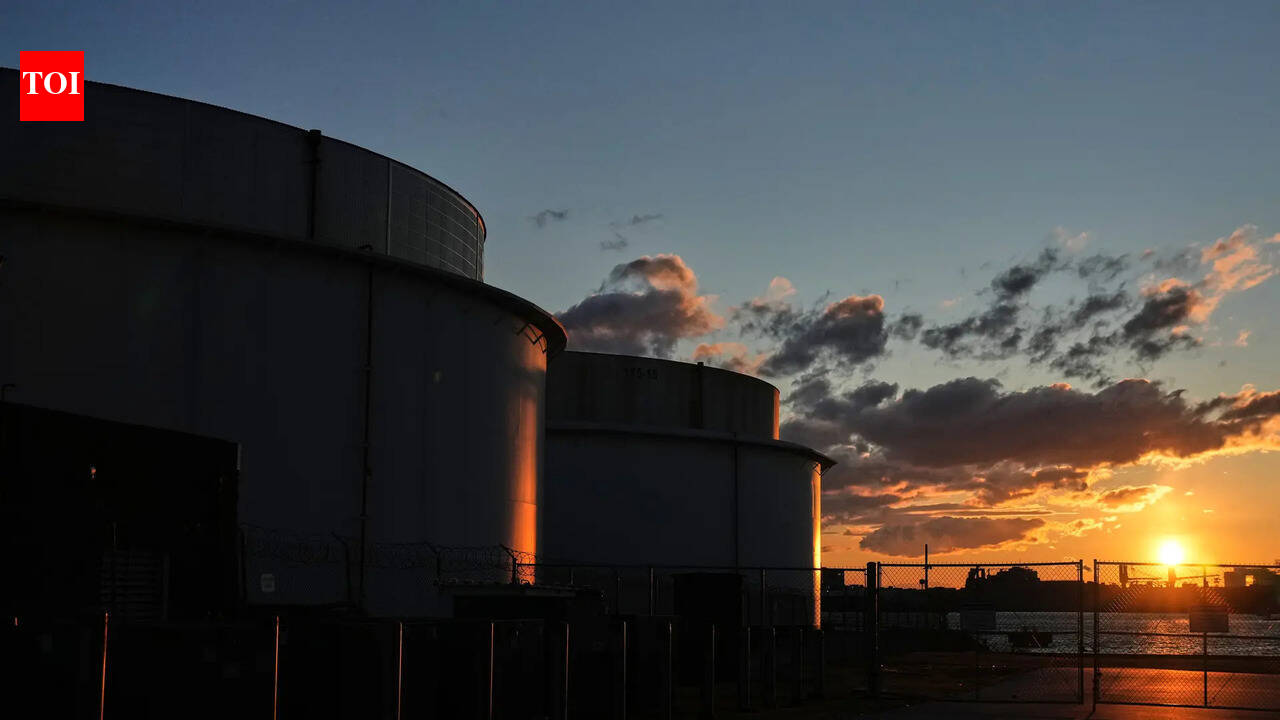
An aerial strike on Saudi Arabia’s Yanbu oil export hub — one of the most strategically significant energy terminals on the Red Sea — has sent fresh shockwaves through global energy markets at a moment when the Middle East can least afford it. The attack, occurring against the backdrop of an intensifying conflict between Iran and Israel, has raised urgent questions about the security of Gulf energy infrastructure and what happens to the world’s oil supply when that infrastructure comes under fire.
Yanbu is no ordinary port. It sits on Saudi Arabia’s western coastline and serves as a critical alternative export route for crude oil — one designed specifically to bypass the Strait of Hormuz. The fact that it was targeted signals a deliberate escalation, one aimed at the arteries of the global energy system rather than military installations alone.
For anyone who drives a car, heats a home, or watches their grocery bill, this is not a distant geopolitical story. It is a direct threat to the energy supply chains that underpin everyday life in dozens of countries.
What Happened at Yanbu — and Why It Matters
The aerial strike on Yanbu represents a significant development in the widening fallout from the Iran-Israel conflict. As that conflict has intensified, retaliatory strikes on Gulf energy infrastructure have emerged as a pressure point — a way of hitting economic targets that reverberate far beyond the region’s borders.
Saudi Arabia’s Yanbu facility is not simply a loading dock. It is one of the kingdom’s primary oil export terminals on the Red Sea side, handling shipments that flow westward toward Europe and beyond. Disrupting it doesn’t just affect Saudi Arabia — it affects every country that depends on stable oil flows from the Gulf.
The timing compounds the concern. Global energy markets were already navigating elevated uncertainty tied to the broader Iran-Israel conflict before this strike occurred. An attack on Yanbu adds a new layer of instability, one that traders and governments are now being forced to price into their calculations.
The Strait of Hormuz Factor
Part of what makes this situation so alarming to energy analysts is the dual threat now facing Gulf oil exports. The Strait of Hormuz — the narrow waterway through which a significant portion of the world’s seaborne oil passes — has long been identified as the most critical chokepoint in global energy supply. Any disruption there would be severe.
Yanbu was developed, in part, precisely because it offers an export route that does not rely on the Strait of Hormuz. Oil can be piped from the eastern fields to Yanbu on the Red Sea and shipped out without passing through the strait at all. That route is now under threat.
If both the Strait of Hormuz and the Yanbu corridor face simultaneous disruption, the options for rerouting Gulf oil exports narrow dramatically. That prospect is what is driving some of the sharpest anxiety in energy markets right now.
| Key Factor | Significance | Potential Impact |
|---|---|---|
| Yanbu aerial strike | Attack on Red Sea oil export hub | Disruption of Saudi oil shipments westward |
| Iran-Israel conflict escalation | Retaliatory strikes on Gulf energy infrastructure | Broader regional energy instability |
| Strait of Hormuz threat | Critical global oil chokepoint under pressure | Severe supply disruption if closed or restricted |
| Red Sea route disruption | Alternative export corridor now compromised | Fewer rerouting options for Gulf crude |
| Global oil price response | Markets pricing in supply risk | Higher energy costs across international economies |
Who Gets Hit Hardest When Gulf Energy Infrastructure Burns
The short answer is: almost everyone, but not equally. Countries that import a large share of their oil from the Gulf region face the most immediate exposure. That includes major economies across Asia, Europe, and parts of Africa that rely on stable Red Sea shipping lanes to receive their energy supplies.
For ordinary consumers, the most visible consequence tends to be rising fuel prices. When supply routes are disrupted or threatened, oil markets react quickly — often before a single barrel of oil is actually delayed. The fear of shortage is enough to push prices higher, and those higher prices eventually show up at fuel pumps and in the cost of goods that depend on transportation.
Beyond consumers, the industries most immediately affected include:
- Shipping and logistics companies that route cargo through the Red Sea
- Airlines facing higher jet fuel costs
- Petrochemical industries dependent on Gulf crude as a feedstock
- Governments managing strategic petroleum reserves in response to supply shocks
- Emerging economies with limited ability to absorb sudden energy price spikes
The travel and tourism sector — already sensitive to regional instability — faces its own pressures, as higher fuel costs and security concerns combine to complicate both leisure and business travel across the Middle East and connected routes.
The Bigger Picture: A Regional Energy Crisis Taking Shape
What analysts are watching most closely now is whether this strike on Yanbu represents an isolated incident or the beginning of a sustained campaign against Gulf energy infrastructure. The distinction matters enormously.
A single strike, even on a target as significant as Yanbu, can be managed. Supplies can be rerouted, reserves can be tapped, and markets can stabilize once the immediate shock passes. But a pattern of escalating attacks — particularly if they spread to other facilities or begin to threaten the Strait of Hormuz more directly — would represent a qualitatively different crisis.
The concern among energy security observers is that the Iran-Israel conflict has now opened a front that directly implicates global oil supply in ways that previous episodes of regional tension did not. Gulf states are not just caught in the middle of a geopolitical dispute — their infrastructure is becoming part of the battlefield.
Global supply route diversification, long discussed as a theoretical priority, is now being treated as an urgent practical necessity by energy-importing nations watching these developments unfold in real time.
What to Watch in the Days Ahead
The immediate questions facing markets and governments center on the extent of damage to Yanbu’s facilities, how quickly operations can be restored, and whether further strikes are expected. Saudi Arabia’s response — both in terms of infrastructure repair and any diplomatic or security measures — will shape how markets interpret the severity of the situation.
Beyond Yanbu, the trajectory of the broader Iran-Israel conflict remains the central variable. Any signs of escalation toward the Strait of Hormuz would likely trigger a much sharper market response than what has been seen so far. Conversely, diplomatic movement toward de-escalation could ease some of the pressure on energy prices relatively quickly.
For now, energy markets are in a state of elevated alert — watching, pricing in risk, and waiting to see whether this is a turning point or a contained episode in a conflict that continues to test the limits of regional stability.
Frequently Asked Questions
What is Yanbu and why is it strategically important?
Yanbu is a major Saudi Arabian oil export hub located on the Red Sea. It serves as a critical alternative to the Strait of Hormuz, allowing Saudi crude to be shipped westward without passing through that vulnerable chokepoint.
Who carried out the aerial strike on Yanbu?
It links the attack to the escalating Iran-Israel conflict and retaliatory strikes on Gulf energy infrastructure, but specific responsibility has not been confirmed in the available reporting.
How does this affect global oil prices?
Attacks on major oil export infrastructure typically push prices higher as markets price in supply disruption risk, even before any actual shortage occurs. This strike compounds existing uncertainty tied to the broader regional conflict.
Is the Strait of Hormuz currently closed or restricted?
Which countries are most exposed to this disruption?
Countries that import significant volumes of Gulf crude — particularly in Asia, Europe, and parts of Africa — face the greatest exposure if Red Sea and Hormuz shipping routes are simultaneously disrupted.
Could this lead to a wider regional energy crisis?
Energy security observers note that if strikes on Gulf infrastructure continue or escalate, the situation could develop into a broader regional energy crisis. Whether this strike is isolated or part of a sustained pattern remains the critical unknown.




Leave a Reply