
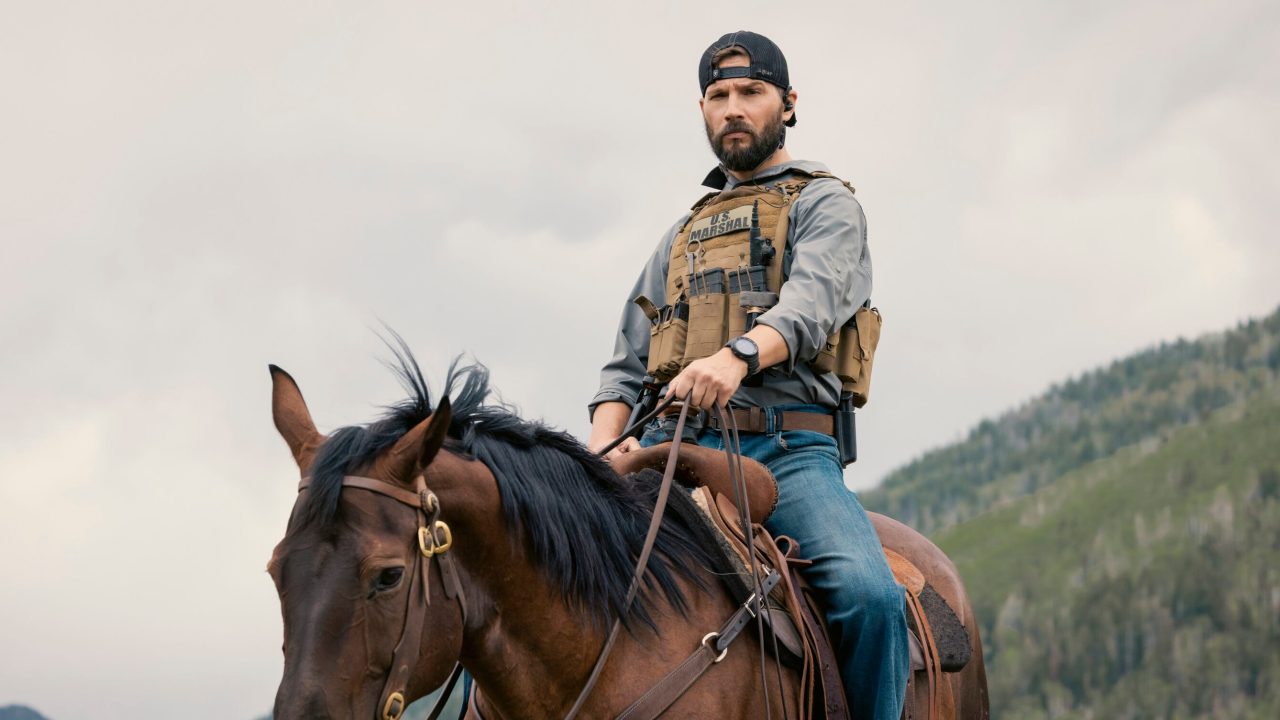
What happens when a show people openly admit to hate-watching becomes one of the most-streamed titles on a major platform? That’s exactly the situation playing out with the Yellowstone franchise in early 2026 — and the spin-off at the center of it is one that critics and casual viewers have been loudest about dismissing.
In 2026’s streaming landscape, hate-watching and genuine fandom produce identical data — and Paramount’s Marshals has turned audience skepticism into one of the franchise’s most-watched moments yet.
Taylor Sheridan’s 2018 western drama was nothing like anyone expected when it first premiered on a relatively unknown network. It built a massive audience almost entirely through word of mouth, loyalty, and a particular kind of appointment television energy that streaming platforms have spent years trying to replicate. Now, the universe Sheridan created is proving that even its most polarizing corners can pull serious numbers.
The story here isn’t just about one show doing well. It’s about what “doing well” even means when hate-watching and genuine fandom can produce identical streaming data — and why Paramount is paying close attention to both.
How the Yellowstone Universe Became a Streaming Machine
The original Yellowstone didn’t follow the typical prestige TV playbook. It landed on Paramount Network — a channel many viewers had largely forgotten about — and quietly became one of the most-watched cable dramas in years. By the time streaming audiences caught up, the show had already built a cultural footprint that rivaled far more celebrated productions.
That success created an obvious incentive to expand. Sheridan and Paramount have since built out an ambitious franchise universe, with multiple spin-offs designed to capture different slices of that original audience. Some have landed warmly. Others have sparked genuine debate about whether the well was being stretched too thin.
The spin-off generating the most conversation heading into spring 2026 is Marshals, which has been among the most criticized entries in the franchise — and yet has turned that criticism into consistent streaming traffic throughout March 2026.
Why Marshals Became the Spin-Off Everyone Has an Opinion About
There’s a particular dynamic that plays out with franchise television that doesn’t get discussed enough: the audience that shows up to complain is still an audience. Hate-watching — tuning in specifically to critique, mock, or dissect a show you don’t fully respect — generates the same view count as genuine enthusiasm. Streaming platforms measure completion rates and engagement, not sentiment.
“Hate-watching — tuning in specifically to critique, mock, or dissect a show you don’t fully respect — generates the same view count as genuine enthusiasm. Streaming platforms measure completion rates and engagement, not sentiment.”
Marshals has benefited from exactly this phenomenon. Viewers who felt the Yellowstone franchise had overstayed its welcome, or who questioned whether another spin-off was necessary, found themselves watching anyway. The combination of brand recognition, Sheridan’s name, and the sheer familiarity of the aesthetic proved strong enough to pull people in even when their instinct was skepticism.
What makes this notable isn’t just the numbers — it’s what those numbers signal about how Paramount+ is thinking about franchise value in a crowded streaming market.
The Streaming Numbers That Tell the Real Story
Streaming platforms like Paramount+ report views and completion rates — not audience satisfaction scores. A show generating controversy can appear statistically identical to a beloved hit, potentially misleading studios about the quality of audience engagement versus mere traffic volume.
Whether a viewer is cheering or complaining, they’re still watching — and that distinction matters less than it once did.
What This Means for Franchise Television in 2026
| Factor | Genuine Fandom | Hate-Watching |
|---|---|---|
| Stream Count | Counts as a view | Counts as a view |
| Completion Rate | High — viewers finish episodes | Often high — curiosity drives completion |
| Sentiment Signal | Positive word-of-mouth | Criticism & social chatter |
| Studio Interpretation | “People love this” | “People are watching this” |
| Long-Term Value | Subscriber retention, loyalty | Traffic — potentially fleeting |
The Yellowstone model is worth examining beyond just this one spin-off. The franchise has demonstrated something that entertainment executives are increasingly taking seriously: built-in audiences don’t require critical approval to perform. A show attached to a beloved IP can absorb a significant amount of negative sentiment and still post numbers that justify its existence.
This creates a complicated dynamic for critics and for viewers who care about quality. The signal that streaming data sends to studios isn’t “people love this” — it’s “people are watching this.” Those are different things, and they lead to different decisions about what gets made next.
For Paramount specifically, the success of Marshals — even a contested, debated, eye-roll-inducing success — reinforces that the Yellowstone universe still has commercial life. That matters at a moment when streaming platforms are under real pressure to justify their content spending and demonstrate subscriber retention.
What Happens Next for the Franchise
Sheridan has shown no signs of slowing the expansion of this universe, and Paramount’s willingness to keep greenlighting new entries suggests the financial logic remains sound. Whether Marshals represents a creative low point that the franchise will course-correct from, or a new template for how to generate streaming traffic through controversy, likely depends on what the numbers look like once the full March 2026 data is in.
Viewers who’ve been watching out of habit, loyalty, or sheer morbid curiosity have already voted with their time. The question now is whether the franchise can convert hate-watchers into something more durable — or whether it’s content to keep mining that vein for as long as it produces.
Frequently Asked Questions

You Might Also Like
Avatar Fire and Ash Finally Has a Digital Release Date Confirmed
James Cameron’s Avatar franchise has always been about pushing boundaries — and now fans who…
Supernatural Episodes From Its 15-Year Run That Still Beat Modern TV
Few television shows have managed to carve out a legacy quite like Supernatural. Across 15…

Apple TV Shows Everyone Is Binge-Watching Right Now, Ranked
Apple TV+ has quietly built one of the most compelling libraries in streaming — and…
Leave a Reply