
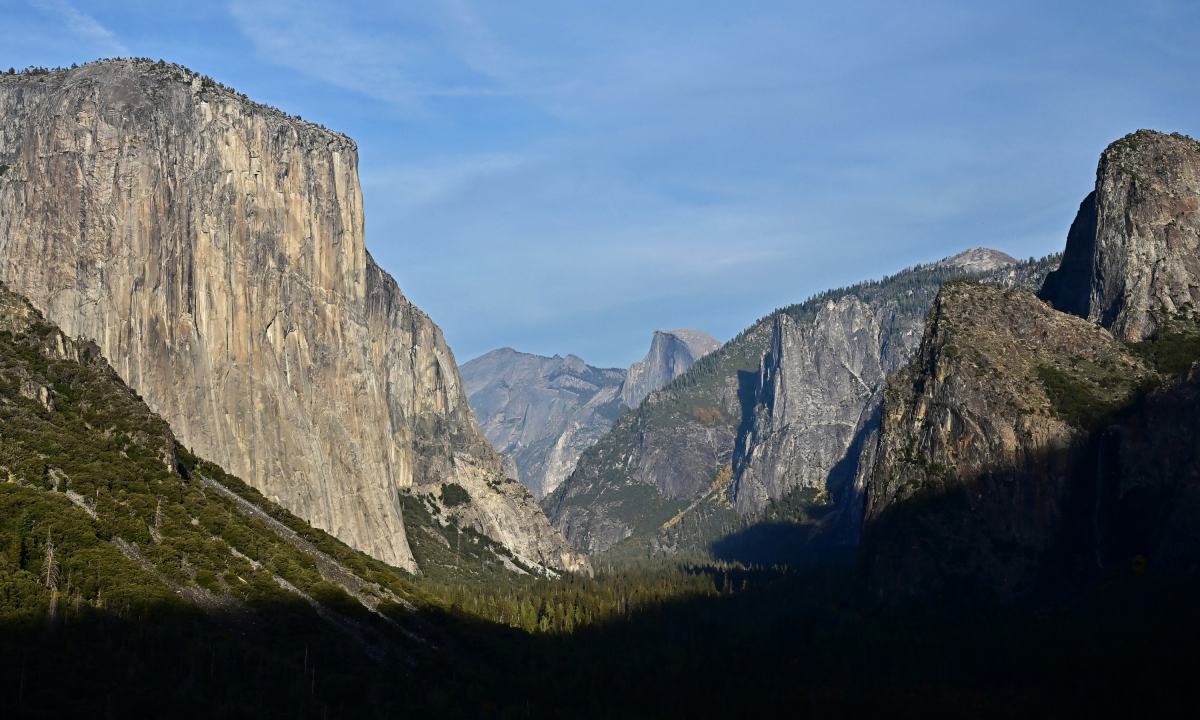
One of America’s most beloved national parks just made it significantly easier to show up and experience it. Yosemite National Park is entering 2026 without requiring advance entry reservations — meaning visitors can simply drive up, pay at the gate, and start exploring nearly 1,200 square miles of granite cliffs, ancient sequoias, and some of the most dramatic waterfalls on the continent.
That’s a meaningful shift for millions of travelers who found the previous reservation-heavy system frustrating. Spontaneous road trips, last-minute family getaways, and flexible travel plans are all back on the table this year. If you’ve been putting off a visit to Yosemite because the logistics felt complicated, 2026 might be the year to finally go.
There are still some practical steps worth knowing before you head out — and getting them right can make the difference between a smooth visit and a frustrating one.
What Yosemite Is Actually Changing for 2026
The park has rolled out what officials describe as a straightforward 1-2-3 process for visiting in 2026. The core change is the elimination of entry reservations, which had been required during peak periods in recent years to manage crowd levels in Yosemite Valley.
Now, the process is simpler by design: secure an entrance pass, book your accommodations early, and time your arrival strategically. That’s it. No reservation windows to monitor, no scrambling for limited slots weeks in advance.
One important logistical note: all entry gates are now cashless. Only credit or debit cards are accepted at the entrance, so visitors carrying only cash will want to plan ahead. Passes like the America the Beautiful annual pass — which covers multiple national parks — remain valid for entry.
The park’s guidance strongly recommends arriving before 9 AM or after 5 PM during the busy season running from April through October. Those hours represent the sweet spot for avoiding the heaviest traffic into Yosemite Valley, where iconic landmarks like El Capitan and Half Dome draw the largest crowds.
The Key Details Every Visitor Should Know
| Detail | What You Need to Know |
|---|---|
| Entry Reservations | Not required in 2026 — pay fees directly upon arrival |
| Payment Method | Cashless only — credit or debit cards accepted at all gates |
| Recommended Arrival Times | Before 9 AM or after 5 PM (April through October) |
| Accepted Passes | America the Beautiful pass and similar multi-park passes |
| Accommodation Booking | Book early — lodging fills quickly during peak season |
| Park Size | Nearly 1,200 square miles of wilderness |
One thing that hasn’t changed: the demand for accommodations inside and near the park is intense. Officials emphasize booking lodging well in advance, even as entry itself becomes more flexible. The valley’s gateway communities — the towns and businesses that surround Yosemite — depend heavily on visitor spending, and early bookings help both travelers and local economies.
Who This Affects — and Why It Matters Beyond the Park
The ripple effects of easier access extend well beyond the park’s entrance gates. Families who couldn’t plan weeks ahead, solo travelers working around unpredictable schedules, and road-trippers making decisions on the fly all stand to benefit from this change.
Gateway communities surrounding Yosemite are expected to see a direct economic boost. When more visitors can access the park without advance planning, spending on local lodging, food, fuel, and supplies increases. Officials project higher attendance as a result of reduced barriers — though the park has framed this as encouraging broader access rather than simply maximizing visitor numbers.
For international tourists and first-time visitors, the simplified process also removes one of the more confusing aspects of planning an American national park trip. The 1-2-3 framework — get your pass, book your stay, arrive at the right time — is designed to be easy to follow regardless of how familiar someone is with the park system.
That said, the absence of a reservation requirement doesn’t mean showing up without any preparation. Accommodations still need to be secured early, and the cashless payment requirement at gates is a firm policy. Visitors who arrive without a card and without a pre-purchased pass will find themselves turned away.
What to Expect as the 2026 Season Gets Underway
With the April-through-October peak season approaching, the practical implications of this policy are about to become very real for millions of potential visitors. The park’s official guidance is already in place, and the cashless gate infrastructure is confirmed to be operating across all entry points.
Travelers planning visits to Yosemite Valley — where El Capitan, Half Dome, and the park’s most famous waterfalls are concentrated — should treat the arrival timing advice as more than a suggestion. The valley is a narrow geographic corridor, and even without a reservation system, congestion during midday peak hours remains a real factor.
The broader message from park officials is straightforward: Yosemite is open, accessible, and ready for visitors in 2026. The barriers that once made spontaneous visits difficult have been lowered. What remains constant is the need for basic preparation — the right payment method, a place to sleep, and a plan for when to show up.
Frequently Asked Questions
Do I need to make a reservation to enter Yosemite in 2026?
No. Entry reservations are not required in 2026. Visitors can pay entrance fees directly upon arrival at the gate.
What payment methods are accepted at Yosemite’s entrance gates?
All gates are cashless in 2026 — only credit or debit cards are accepted. Cash is not an option at any entry point.
Does the America the Beautiful pass work at Yosemite?
Yes. The America the Beautiful annual pass and similar multi-park passes are accepted for entry.
What are the best times to arrive to avoid crowds?
Park guidance recommends arriving before 9 AM or after 5 PM during the April through October peak season to avoid the heaviest congestion.
Do I still need to book accommodations in advance?
Yes. While entry no longer requires a reservation, lodging inside and near the park fills up quickly and should be booked early.
Will attendance increase significantly under the new system?
Officials project higher attendance as reduced barriers encourage more spontaneous visits, though specific attendance figures have not yet been confirmed for 2026.




Leave a Reply