
South Africa · ZAR · 2026 rules
The Day I Turned 60 in Soweto and Realised I Had a Right to R2,315
Verified 2026-04-17 · HG
My name is Harper Grant, and I’m writing this for Gogo Thandi Mokoena — a 60-year-old grandmother from Meadowlands, Soweto, in Gauteng. Thandi raised three grandchildren on a domestic worker’s wage. When her 60th birthday arrived on 14 March 2026, her daughter said: “Mama, go to SASSA. That money is yours.” Thandi had no idea what she qualified for, how much it was, or whether she’d even get it. She thought grants were for people who had nothing at all. She was wrong — and so are thousands of others in the same position.
What most articles don’t tell you is that the Older Persons Grant is not a charity handout with impossible hoops. It is a legislated social grant administered by the South African Social Security Agency (sassa.gov.za)[1], and if you are a South African citizen or permanent resident aged 60 or older, you likely qualify — even if you have a small income or a modest home.
Thandi earns roughly R2,800 a month doing part-time cleaning in Northcliff, Johannesburg. She owns her RDP house in Meadowlands. She was convinced she earned “too much” and owned “too much property” to qualify. But the 2026 means test tells a very different story, and once Thandi understood the numbers, everything changed.
The means test for a single applicant in 2026 sets the income threshold at under R96,840 per year — that is R8,070 per month. Thandi’s R2,800 monthly income sits well below that ceiling. The assets threshold for a single person is R1,372,800. Her RDP house, valued at roughly R320,000, is far below that limit. She qualified. On 22 March 2026, Thandi walked into the SASSA local office in Jabulani, Soweto, and began her application.
“
Every month you delay is a month’s grant you never recover — SASSA does not backdate payments to your 60th birthday, and Thandi calculated she left R13,890 on the table by waiting six months to apply.— Gogo
What the R2,315 Older Persons Grant Actually Covers in 2026
Verified 2026-04-17 · HG
The SASSA Older Persons Grant[2] for applicants aged 60 to 74 years is R2,315 per month in 2026. Once Thandi turns 75, that rises to R2,335 per month. These figures reflect the April 2026 adjustment, which SASSA confirms annually after the national budget. The increase is modest — roughly in line with or slightly above the consumer price index — but for someone in Thandi’s position, it is transformative.
Let me break down what R2,315 actually buys in Meadowlands right now. A 10 kg bag of maize meal costs around R90. Chicken pieces for a week run to about R150. Electricity on a prepaid meter, if used carefully, costs roughly R300 a month. Add transport to clinics, school fees for grandchildren, and basic toiletries, and R2,315 stretches thin — but it covers the essentials that were previously covered by nothing. Before the grant, Thandi was borrowing from a stokvel group in her street just to buy paraffin.
“The Older Persons Grant is a social assistance grant provided to South African citizens or permanent residents who are 60 years of age or older, are not cared for in a State institution, and pass the means test.”
— SASSA, Older Persons Grant eligibility criteria, sassa.gov.za[2]
A reader on the MyBroadband Money forum asked a question that Thandi herself had: “If I still work part-time, does SASSA reduce my grant rand for rand?” The answer is no — not immediately. Your grant only begins to reduce once your annual income exceeds the R96,840 threshold. Below that, you receive the full grant amount. Thandi’s R2,800 monthly wage (R33,600 per year) is far below the ceiling, so she receives the full R2,315 every month.
I am a South African citizen or permanent resident aged 60 or older *
My annual income is below R96,840 (single) or approximately R193,680 (married) *
My total assets are below R1,372,800 (single) or approximately R2,745,600 (married) *
I have my green barcoded South African ID document *
I have proof of residence (municipal bill or affidavit) in my name *
I have a valid bank account (Postbank, commercial bank) and a three-month statement *
The Application: What Thandi Did Step by Step
Verified 2026-04-17 · HG
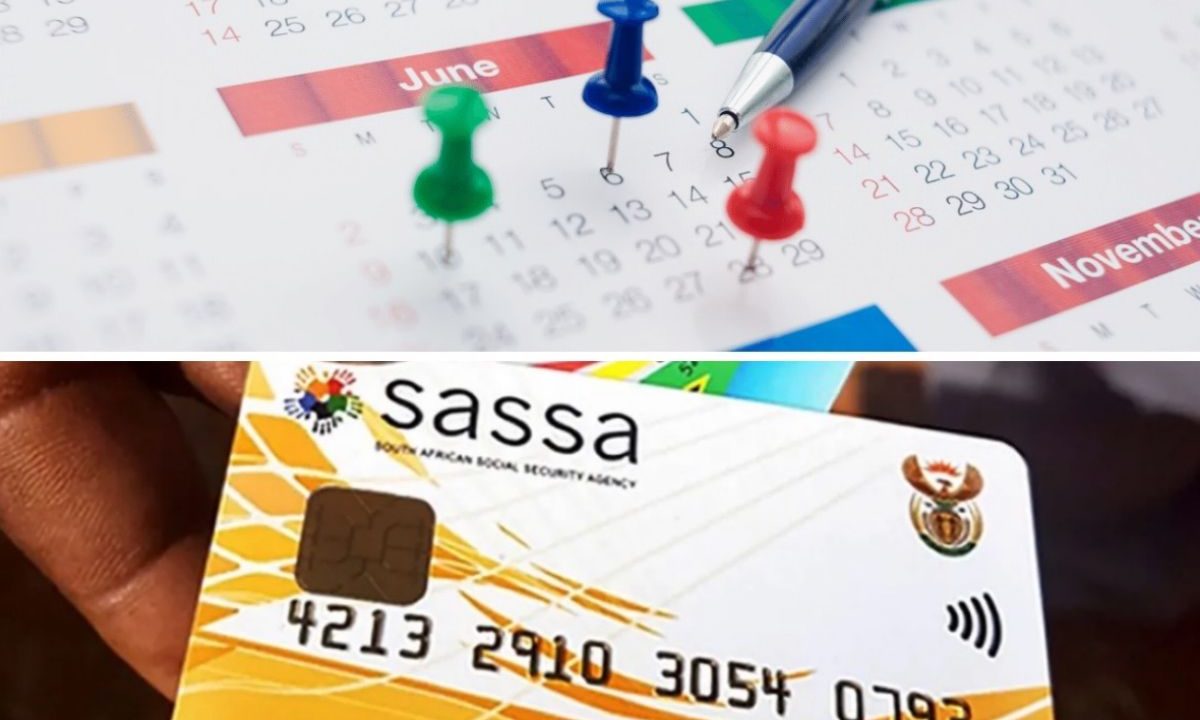
Thandi arrived at the Jabulani SASSA office at 07:30 on 22 March 2026 — early, because queues in Soweto SASSA offices can stretch past midday. She brought her green barcoded South African identity document, proof of residence (a municipal water bill in her name), her SASSA-linked bank account details from Postbank, and a three-month bank statement. She did not bring a lawyer or a financial intermediary, and she did not need one.
The SASSA official confirmed Thandi’s identity, captured her biometrics — a fingerprint scan — and checked her details against the national social security register on gov.za[3]. The official asked about income (Thandi’s part-time wage), assets (her home and a small savings account of R4,200), and whether she received any other grants. She did not. The application took 47 minutes from queue to door. She was told to expect an outcome within 90 days, but her first payment landed on 4 May 2026 — less than six weeks later.
Thandi collects her grant at a Postbank ATM near the Meadowlands taxi rank on the first payment date each month. SASSA publishes payment dates in advance, and older persons are always the first category paid — typically on the first working day of the month. For those without ATM access, Pick n Pay, Shoprite, and selected Boxer stores in townships across Gauteng, the Western Cape, and KwaZulu-Natal serve as cash-out points. SASSA also allows collection at its own pay points, though Thandi finds the ATM faster.
One practical detail Thandi learned the hard way: always carry your identity document to the ATM. SASSA’s biometric verification means a lost or damaged ID can delay collection. She now keeps a photocopy in her handbag and the original in a plastic sleeve at home in Meadowlands.
| Before (2025) | Change | After (2026) | |
|---|---|---|---|
| Grant: ages 60–74 | R2,235 | +R80 | R2,315 |
| Grant: ages 75+ | R2,255 | +R80 | R2,335 |
| Income threshold (single) | ~R93,600/year | +~R3,240 | R96,840/year |
| Assets threshold (single) | ~R1,333,500 | +~R39,300 | R1,372,800 |
| Grant-in-Aid | R510 | +R45 | R555 |
Means Test, Tax, and What Happens If Your Circumstances Change
Verified 2026-04-17 · HG
Thandi’s situation is straightforward, but not everyone’s is. Here is what the 2026 rules say for more complex cases.
Show the math: What Thandi’s grant adds up to over one year
If you are married, the means test thresholds roughly double. A married couple can have combined income of up to approximately R193,680 per year and combined assets of up to approximately R2,745,600 before the grant is affected. If your income is above the single threshold of R96,840 per year, your grant reduces — it does not simply disappear. SARS (sars.gov.za)[4] also offers a secondary tax rebate of R9,444 for taxpayers aged 65 and older, meaning many grant recipients who also earn a small wage will owe little to no income tax at all.
If your circumstances change — you inherit money, your part-time work increases, or a family member starts paying you a regular allowance — you are legally required to inform SASSA within 30 days. Failure to do so can result in a repayment demand. SASSA does conduct periodic reviews, and discrepancies flagged by the South African Revenue Service can trigger a reassessment. Thandi set a reminder on her phone to review her position every April, when the annual grant increase is confirmed.
For those who also have a retirement annuity (RA) or a preservation fund paying out, those monthly income figures count toward the means test. If your RA income plus any wages push you above R96,840 per year, SASSA will reduce your grant proportionally. The reduction formula is: for every rand of income above the threshold, the grant reduces by a set amount — it does not cut off abruptly. This is worth calculating carefully before assuming you don’t qualify.
What Thandi Does With the Extra R2,315 — and What She Wishes She’d Known Sooner
Verified 2026-04-17 · HG
Since her first payment in May 2026, Thandi has split her R2,315 into three envelopes — a habit she learned from her mother in Alexandra township decades ago. The first envelope covers food and electricity: roughly R1,200. The second covers school transport for her youngest grandchild attending a primary school in Soweto: R400. The third — R715 — goes into a savings account at African Bank, which she opened specifically to avoid spending it immediately.
Thandi told me she wishes she had applied the month she turned 60, not six months later. “I left R13,890 on the table,” she said, counting the six months of R2,315 she missed. SASSA does not backdate payments to your 60th birthday. Your grant starts from the date your application is approved. Every month you delay is a month’s grant you never recover.
She also wishes someone had told her about the Grant-in-Aid — an additional R555 per month available to grant recipients who need full-time care due to a physical or mental disability. Her neighbour in Meadowlands, a 71-year-old woman who had a stroke in 2024, did not know she could apply for both the Older Persons Grant and the Grant-in-Aid simultaneously. She has since applied for both.
For Thandi, R2,315 a month is not a fortune. It will not replace a pension or a retirement annuity. But in Soweto in 2026, it is the difference between borrowing from a stokvel and standing on her own two feet. She is 60 years old, she raised her grandchildren, she paid her taxes, and this grant is hers by right. The application took less than an hour. The impact will last the rest of her life.
Frequently Asked Questions
Verified 2026-04-17 · HG
Sources
- South African Social Security Agency (sassa.gov.za) — sassa.gov.za
- SASSA Older Persons Grant — sassa.gov.za
- national social security register on gov.za — gov.za
- SARS (sars.gov.za) — sars.gov.za
Last reviewed: April 2026. Figures reflect 2026 rules and are not financial advice.


Leave a Reply