
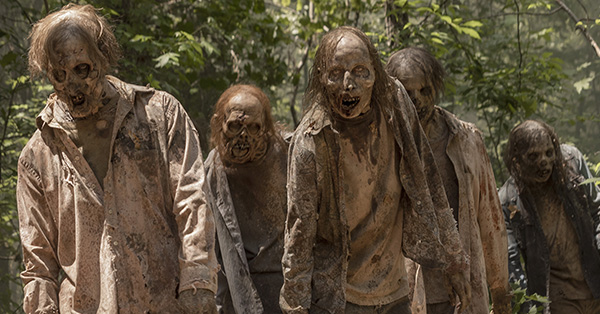
What if the zombies in your favorite horror story could feel shame, longing, and the desperate need to belong — and the real monsters were the living people around them? That’s the premise at the heart of In the Flesh, a British horror drama that dared to ask questions most zombie stories never bother with, and ended up creating something genuinely unlike anything else in the genre.
The series is currently available on Prime Video, and if you haven’t heard of it, that’s part of the tragedy. It ran for only two series — a total of nine episodes — before the BBC cancelled it, leaving behind one of the most quietly devastating pieces of television horror ever made. Fans have never quite gotten over it.
With zombie content still dominating streaming platforms and audiences always hungry for something fresh, In the Flesh deserves a second look — or a first one, if you missed it entirely the first time around.
What Makes In the Flesh a Zombie Story Unlike Any Other
Most zombie narratives follow a familiar template: civilization collapses, survivors band together, moral lines blur, people die in increasingly gruesome ways. The zombies are the threat. They are the backdrop. They are, fundamentally, not the point.
In the Flesh flips that entirely. Set in a world where the zombie apocalypse has already happened and been contained, the series follows Kieren Walker, a young man who died by suicide and then rose from the dead during what the show calls the Rising. Thanks to medical treatment — a daily injection regimen and cosmetic products to make them look more human — the undead, referred to clinically as Partially Deceased Syndrome sufferers, are being reintegrated into society.
Kieren returns to his small Lancashire village, and what follows is not a horror story about flesh-eating monsters. It’s a horror story about prejudice, trauma, grief, and what it means to exist in a community that would rather pretend you don’t.
The zombie mythology here is almost incidental. The real subject is otherness — and the series uses its supernatural premise as an unflinching allegory for how society treats people it finds inconvenient, frightening, or simply different.
The Show’s Core Themes and Why They Hit So Hard
In the Flesh was created by Dominic Mitchell and earned significant critical praise during its short run, including a BAFTA win for Best Miniseries. The show’s willingness to use the zombie genre as a lens for examining real human pain — including mental illness, homophobia, religious extremism, and the cruelty of small-town insularity — set it apart from virtually everything else on television at the time.
Kieren’s story is deeply personal. He’s gay, he died by suicide, and he comes back to a family and a village still raw with grief and resentment. The show never lets the audience forget that beneath the cosmetic cover-up and the medicated compliance, there is a person — one who remembers exactly what he did and why.
The series also explores radicalization through the human villagers who join an anti-undead militia called the Human Volunteer Force, and through a growing undead rights movement that mirrors real-world civil rights struggles with uncomfortable precision.
Key Facts About In the Flesh
| Detail | Information |
|---|---|
| Creator | Dominic Mitchell |
| Network (Original) | BBC Three |
| Streaming Platform | Prime Video |
| Total Episodes | 9 (across 2 series) |
| Award | BAFTA — Best Miniseries |
| Genre | Horror drama / social allegory |
| Status | Cancelled after Series 2 |
- The show centers on Partially Deceased Syndrome — a medically managed condition, not a chaotic apocalyptic threat
- Undead characters are reintegrated into society through treatment programs, not destroyed
- The series uses zombie mythology as allegory for LGBTQ+ identity, mental illness, and social exclusion
- Despite critical acclaim and a devoted fanbase, BBC Three cancelled it before a third series could resolve its storylines
- The show has maintained a passionate cult following in the years since its cancellation
Why the Cancellation Still Stings
Nine episodes is not enough. Anyone who has watched In the Flesh will tell you that. The second series expanded the world significantly, introducing new characters and deeper political intrigue around undead rights, and ended on a note that clearly set up more story to come. Then it was gone.
The cancellation remains a sore point among fans and critics alike, particularly because the show was doing something genuinely rare — using a popular genre to talk seriously about grief, identity, and what communities owe to their most vulnerable members. That kind of storytelling doesn’t come around often.
For viewers who discovered it late, there’s a particular bittersweet quality to watching it now. It’s excellent television that ends before it’s finished, and no amount of rewatching changes that. But what’s there is worth every minute.
Is In the Flesh Worth Watching Now?
Absolutely — and arguably more so now than when it first aired. The themes the show wrestles with feel, if anything, more relevant today. Questions about who gets to belong, who gets treated as human, and how communities respond to those they’ve decided are dangerous or undesirable haven’t gone away. They’ve gotten louder.
The performances are strong throughout, with Luke Newberry as Kieren delivering the kind of quietly devastating work that deserves far more recognition than it received. The production design is understated in a way that makes the horror feel grounded rather than theatrical.
If you’ve exhausted the obvious zombie content on streaming platforms and want something that will stay with you long after the credits roll, In the Flesh is exactly that kind of show. Just be prepared for it to end too soon — and to spend some time afterward wishing someone would bring it back.
Frequently Asked Questions
Where can I watch In the Flesh?
In the Flesh is currently available to stream on Prime Video.
How many episodes does In the Flesh have?
The series ran for two seasons with a total of nine episodes before being cancelled by BBC Three.
Who created In the Flesh?
The show was created by Dominic Mitchell and originally aired on BBC Three.
Did In the Flesh win any awards?
Yes — the show won a BAFTA for Best Miniseries during its run.
Why was In the Flesh cancelled?
BBC Three cancelled the show after its second series, though the specific reasons behind the decision have not been fully detailed in available reporting.
Is In the Flesh actually scary, or is it more of a drama?
It sits firmly at the intersection of both — it uses horror genre conventions as the foundation for a deeply emotional social drama, making it more unsettling in a psychological sense than a traditionally frightening one.

Leave a Reply