
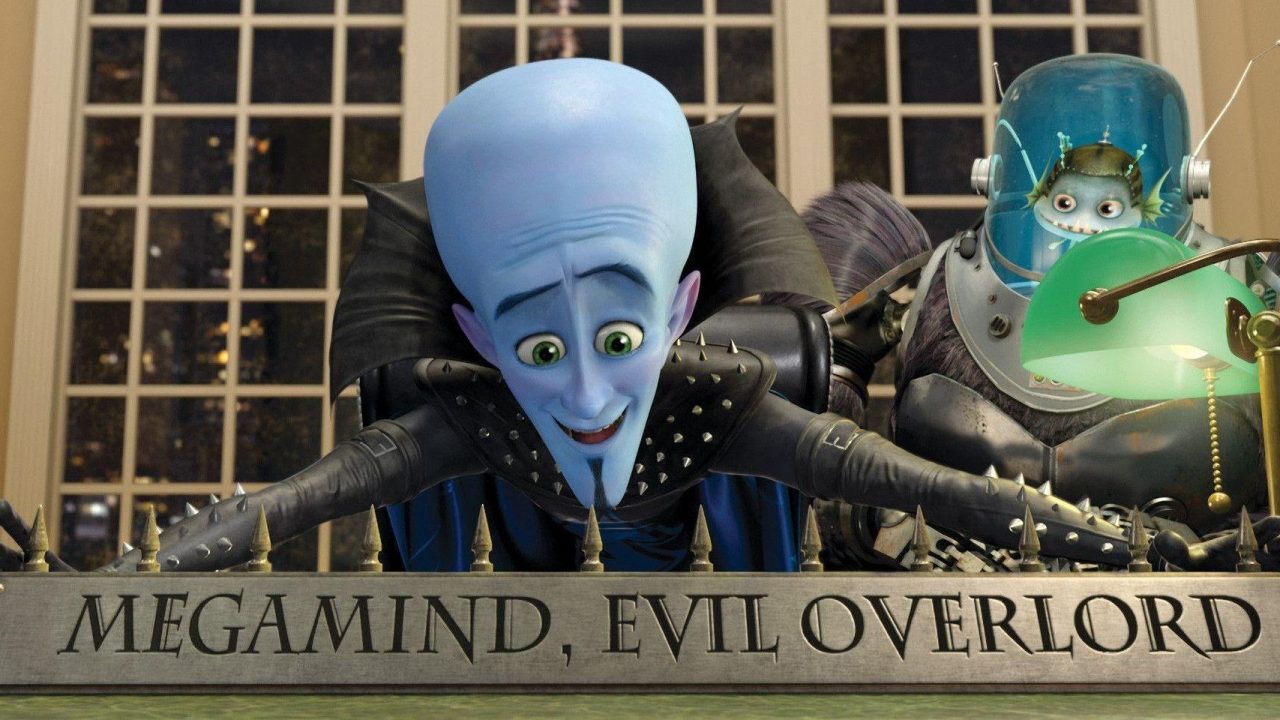
What if one of the greatest superhero movies ever made came out 16 years ago, had nothing to do with Marvel or DC, and a huge chunk of the audience either forgot about it or never gave it a fair shot the first time around?
That film is Megamind, the 2010 DreamWorks Animation release that flipped the superhero genre on its head long before subverting comic book tropes became fashionable. It stars a blue-skinned supervillain who wins — and then has absolutely no idea what to do next. And if you haven’t revisited it as an adult, or never saw it at all, you’re genuinely missing something special.
The superhero movie landscape has never been more crowded, which makes it even more remarkable that a 16-year-old animated film still holds up as one of the smartest, funniest, and most emotionally honest entries in the entire genre — with zero connection to a comic book universe.
Why Megamind Still Deserves to Be Talked About
Released in November 2010, Megamind arrived during a transitional period for superhero cinema. The Marvel Cinematic Universe was only two years old. The genre’s total dominance of pop culture hadn’t fully set in yet. And DreamWorks dropped a film that was, at its core, a thoughtful deconstruction of what it even means to be a hero or a villain.
The premise sounds simple: Megamind, the perpetually losing supervillain of Metro City, accidentally defeats his nemesis Metro Man. With no hero left to fight, he creates a new one — and that new hero turns out to be far more dangerous and morally compromised than Megamind ever was. It’s a setup that forces the audience to ask who the real villain actually is, and the answer is genuinely surprising.
What makes the film land so well is that it doesn’t just parody superhero tropes — it uses them to tell a story about identity, purpose, and what happens when the role you’ve always played disappears. That’s substantially more emotional depth than most big-budget live-action superhero films manage.
The Voice Cast and Creative Team Behind the Film
Part of what gives Megamind its staying power is the sheer quality of the performances. The film assembled a genuinely impressive cast whose chemistry drives every scene.
| Character | Voice Actor | Role in the Story |
|---|---|---|
| Megamind | Will Ferrell | The well-meaning supervillain turned reluctant hero |
| Metro Man | Brad Pitt | The celebrated superhero who wants out |
| Roxanne Ritchi | Tina Fey | The sharp, self-possessed journalist and love interest |
| Hal / Tighten | Jonah Hill | The audience surrogate who becomes the true antagonist |
| Minion | David Cross | Megamind’s loyal, fish-in-a-robot-suit companion |
Will Ferrell brings a manic, genuinely warm energy to Megamind that keeps the character from ever feeling like a one-note joke. Tina Fey’s Roxanne Ritchi is notably one of the better-written female characters in animated films of that era — she’s competent, skeptical, and never reduced to a passive prize. And Jonah Hill’s Hal is, frankly, unsettling in the best way possible.
The Part of This Film Most People Missed the First Time
When Megamind came out, it was somewhat unfairly overshadowed. It arrived the same year as Despicable Me, another animated film about a supervillain with a heart of gold, and the two were inevitably compared. Despicable Me won the cultural moment, spawned a franchise that still runs today, and Megamind quietly faded from the conversation.
That’s a shame, because the two films are doing very different things. Despicable Me is a warm family comedy. Megamind is a sharper, more satirical piece of work that takes its genre seriously enough to actually critique it.
The character of Hal — a nerdy cameraman who receives superpowers and immediately becomes a stalker and a bully — is a pointed commentary on the idea that good people automatically become good heroes. The film argues, pretty explicitly, that heroism is a choice and a discipline, not a natural byproduct of having abilities. That’s a more sophisticated argument than most superhero films aimed at adults are willing to make.
Why Non-Marvel and Non-DC Superhero Films Matter
There’s a real cost to the dominance of the two major comic book universes in superhero cinema. When every conversation about the genre defaults to the MCU or DC’s various attempts to build a franchise, films like Megamind get pushed to the margins — even when they’re doing more interesting creative work.
The best non-Marvel, non-DC superhero films share a common trait: because they aren’t tied to decades of existing canon and audience expectation, they’re free to take genuine creative risks. Megamind is a clear example of that freedom in action. It doesn’t have to service a larger cinematic universe. It doesn’t need to set up a sequel. It just gets to tell its story completely, with a beginning, middle, and end that actually resolve.
That structural freedom shows. The film’s third act earns its emotional payoff in a way that serialized universe storytelling rarely can, because nothing is being held back for a future installment.
What a Rewatch in 2025 Actually Feels Like
Coming back to Megamind after years away is a genuinely rewarding experience. The animation holds up well. The humor is layered enough that jokes land differently depending on how old you are when you watch it. And the film’s central argument — that identity is something you build through your choices, not something handed to you — feels, if anything, more resonant now than it did in 2010.
The Hal storyline in particular reads differently to adult eyes. What plays as broad villain comedy to a child viewer is a fairly pointed portrait of entitlement and the danger of assuming that good intentions make good people. It’s uncomfortable in a way that feels intentional and earned.
If you’ve been cycling through superhero content and finding it repetitive, Megamind is exactly the kind of reset the genre can offer when it’s working at its best.
Frequently Asked Questions
When was Megamind released?
Megamind was released in November 2010 by DreamWorks Animation.
Who voices the main characters in Megamind?
The principal cast includes Will Ferrell as Megamind, Brad Pitt as Metro Man, Tina Fey as Roxanne Ritchi, Jonah Hill as Hal, and David Cross as Minion.
Is Megamind connected to Marvel or DC?
No — Megamind is an entirely original DreamWorks production with no connection to Marvel, DC, or any existing comic book universe.
Why didn’t Megamind become a bigger franchise?
The film is widely considered to have been overshadowed by Despicable Me, a tonally similar animated supervillain film released the same year that went on to spawn a major ongoing franchise.
Is Megamind appropriate for adults as well as children?
Yes — the film operates on multiple levels, with humor and thematic content that resonate differently depending on the viewer’s age, making it a genuinely strong rewatch for adults who saw it as children.
Where can I watch Megamind?
Streaming availability changes over time and varies by region — checking current major streaming platforms or digital rental services is the best way to find where it’s currently available.



Leave a Reply