
Thirty years is a long time to wait for a comedy to get its due. Yet two films from 1996 remain stubbornly, frustratingly underappreciated — the kind of movies that devoted fans swear by but mainstream audiences have largely overlooked. That gap between cult devotion and broader recognition is exactly what makes them worth talking about now.
The films in question are The Kids in the Hall: Brain Candy and Mystery Science Theater 3000: The Movie — two comedies that arrived in the same year, drew from the same spirit of sharp, subversive humor, and were largely ignored by the wider moviegoing public. Three decades later, both deserve a serious second look.
The 1990s were a genuinely fertile era for alternative comedy. Mainstream multiplexes were packed with broad studio comedies, but running alongside them — and often in direct opposition to them — was a wave of weirder, stranger, more intellectually adventurous work. These two films sit squarely in that tradition, and they paid the price for it commercially while gaining something more durable: a lasting reputation among people who actually sought them out.
What Made 1996 Such a Strange Year for Comedy
The mid-1990s comedy landscape was dominated by franchises and familiar faces. Films that pushed against the grain — that prioritized wit over slapstick, or absurdism over easy punchlines — had a harder road. Both Brain Candy and MST3K: The Movie were exactly that kind of film.
The Kids in the Hall: Brain Candy brought the beloved Canadian sketch comedy troupe — Dave Foley, Bruce McCulloch, Kevin McDonald, Mark McKinney, and Scott Thompson — to the big screen for the first time. The film followed the development and catastrophic rollout of a happiness drug, a premise that allowed the troupe to skewer pharmaceutical culture, corporate greed, and the hollow pursuit of contentment long before those themes became standard satirical targets.
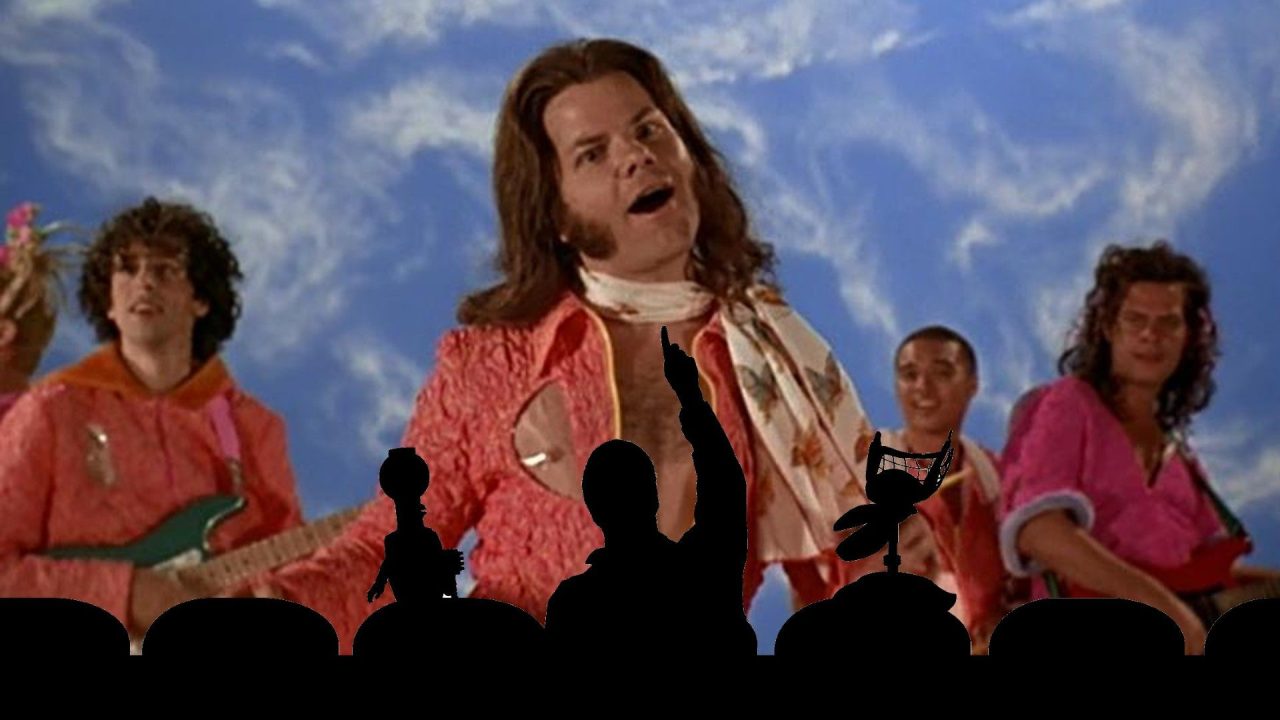
Mystery Science Theater 3000: The Movie transferred the cult cable TV phenomenon to theaters, centering on the show’s signature premise: a man and two robot companions trapped in space, forced to watch terrible movies and survive by mocking them relentlessly. The film used Universal’s This Island Earth as its target — a genuine 1950s science fiction picture that the MST3K crew dissect with the kind of rapid-fire wit that made the show a phenomenon.
Why Both Films Flopped — and Why That Actually Makes Sense
Neither film was a box office success, and in hindsight, that’s not entirely surprising. Both were products designed for specific audiences who already loved
Brain Candy was made by a comedy troupe whose humor was deeply Canadian, deeply strange, and deeply committed to refusing easy laughs. The Kids in the Hall had a passionate fanbase from their HBO and CBC television run, but translating that sensibility to a 90-minute feature film — and asking a multiplex audience to follow along — was always going to be a challenge.
MST3K: The Movie faced a similar structural problem. The show’s format worked beautifully on television, where viewers could tune in and out, catch references at their own pace, and enjoy the experience in a relaxed home setting. Theaters demand a different kind of engagement, and the film’s relatively modest runtime left some fans feeling like they’d gotten a long episode rather than a true cinematic event.
But here’s the thing: both of those so-called weaknesses are actually what make the films hold up so well today.
The Case for Calling These Two Underrated Cult Classics
What separates a genuinely underrated film from one that simply didn’t find an audience is whether time proves the critics wrong. In both cases, it has.
- Brain Candy anticipated the cultural conversation around antidepressants, pharmaceutical marketing, and the commodification of mental health by years — its satirical targets feel, if anything, more relevant now than they did in 1996.
- MST3K: The Movie essentially codified the riffing format that would later explode across internet culture, podcast commentary tracks, and reaction video content. The film was doing in 1996 what millions of people now do naturally online.
- Both films reward repeat viewing in ways that broad studio comedies rarely do — the jokes are layered, the references accumulate, and the performances carry more weight once you know what you’re looking at.
- Both have maintained passionate fan communities for three decades, which is a far better measure of genuine quality than opening weekend grosses.
| Film | Year | Source Material | Primary Target | Legacy Status |
|---|---|---|---|---|
| The Kids in the Hall: Brain Candy | 1996 | Kids in the Hall TV series (CBC/HBO) | Pharmaceutical industry, corporate culture | Enduring cult classic |
| Mystery Science Theater 3000: The Movie | 1996 | MST3K TV series; This Island Earth (1955) | Bad cinema, pop culture absurdism | Enduring cult classic |
What These Films Actually Got Right About Comedy
The best comedy ages well because it’s built on something real — an actual observation about human behavior, culture, or the absurdity of systems people take for granted. Cheap comedy ages badly because it relies on the moment: a celebrity impression, a topical reference, a shock that loses its charge once the context fades.
Both Brain Candy and MST3K: The Movie were built on the former. The Kids in the Hall were always more interested in the texture of human experience — loneliness, aspiration, the gap between who we are and who we want to be — than in easy targets. And MST3K’s core joke isn’t really about bad movies at all. It’s about the human instinct to find community and meaning by laughing together at something ridiculous.
That instinct doesn’t expire. It’s one of the most durable things comedy can tap into.
Why the 30-Year Mark Feels Like the Right Moment to Revisit Them
Anniversary moments have a way of prompting reassessment, and 30 years is enough distance to see clearly. The films that dominated the 1996 box office have largely faded into nostalgia. These two, despite their commercial struggles, are still being discovered by new audiences — and that says something.
Streaming has also changed the equation significantly. Both films are more accessible now than they’ve ever been, and the kind of viewer who would have stumbled across them on late-night cable in 1998 can now find them with a search. The audience they always deserved is finally within reach.
If you’ve never seen either film, 2026 is as good a time as any to fix that. And if you saw them back in 1996 and haven’t revisited them since — they’re going to hold up better than you expect.
Frequently Asked Questions
What are the two underrated comedies from 1996 being discussed?
The two films are The Kids in the Hall: Brain Candy and Mystery Science Theater 3000: The Movie, both released in 1996 and both considered enduring cult classics.
Who are the Kids in the Hall?
The Kids in the Hall are a Canadian sketch comedy troupe consisting of Dave Foley, Bruce McCulloch, Kevin McDonald, Mark McKinney, and Scott Thompson, known for their television series that aired on CBC and HBO.
What movie does MST3K: The Movie riff on?
The film uses the 1955 science fiction picture This Island Earth as its target, with the MST3K crew providing comedic commentary throughout.
Why did both films struggle at the box office?
Both were made for existing fanbases and didn’t make significant efforts to attract casual viewers, which limited their mainstream commercial appeal despite strong creative qualities.
Are these films available to watch today?
Both films are more accessible now than ever before through streaming platforms, making them easier to discover than during their original theatrical runs.
Why do critics consider these films underrated rather than simply unsuccessful?
Both films have maintained devoted fan communities for 30 years and contain satirical themes that have only grown more relevant over time — qualities that distinguish genuinely underrated work from films that simply underperformed.




Leave a Reply