
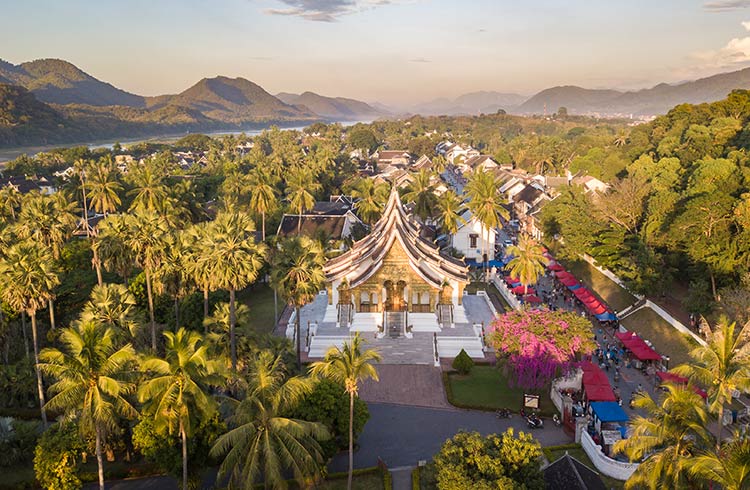
Forget the travel-blog clichés about Laos being the “sleepy soul of Southeast Asia.” That narrative has always been a comfortable fiction, and the events of the past several months have finally made it impossible to ignore. The real story isn’t that Laos is suddenly dangerous. It’s that Laos has been quietly accumulating a safety deficit for years, and the world just started paying attention.
When a Prime Minister personally orders an urgent crackdown on tourism safety, something has already gone very wrong. That moment arrived in Laos, and its ripple effects are reshaping how travelers, tour operators, and governments think about one of Asia’s most visited destinations.
This is a countdown of the five developments that brought Laos to this breaking point, ranked by their lasting impact on how you travel there — and whether you should.
5. The Infrastructure Problem Nobody Wanted to Talk About
Laos opened its borders to mass tourism without building the regulatory scaffolding to support it. For years, adventure operators, river cruise companies, and balloon tour providers functioned in a near-vacuum of oversight. Licenses were loosely enforced. Equipment checks were inconsistent. Safety briefings, where they existed at all, were often perfunctory.
Visitors arriving from Europe, Australia, and North America brought expectations shaped by tightly regulated tourism industries back home. They assumed that if a tour was listed on a hotel noticeboard or a popular booking app, someone had verified it was safe. That assumption was wrong.
The infrastructure gap wasn’t unique to Laos. But Laos’s combination of rugged terrain, rapid tourist growth, and limited regulatory capacity made it especially vulnerable to exactly the kind of incidents that followed.
| Risk Factor | Status Before Crackdown | Status After PM Order |
|---|---|---|
| Adventure Activity Licensing | Inconsistently enforced | Under urgent review |
| Equipment Safety Inspections | Largely voluntary | Mandatory checks ordered |
| Tourist Death Reporting | Underreported internationally | Increased transparency pledged |
| Global Travel Advisories | Minimal warnings | Multiple countries updating guidance |
4. Tourist Deaths That Could Not Be Explained Away
Tourist deaths happen in every country. What distinguishes a genuine crisis from an isolated tragedy is pattern. Laos accumulated a pattern.
Multiple tourist deaths prompted the Laos government to act, according to reports that circulated widely in early 2025. The details of individual incidents varied, but the common thread was consistent: visitors engaged in organized activities or consuming services from operators who had not been adequately vetted or supervised.
Each death triggered the same cycle. Local authorities would acknowledge the incident. Families would struggle to get information. International media would briefly report. Then the story would fade, replaced by the next travel trend piece about Luang Prabang’s temples at dawn.
That cycle finally broke. When enough deaths accumulated in a short enough window, the story became impossible to manage with routine responses. The PM’s office had to move.
3. The Rising Global Scrutiny That Changed the Political Equation
Laos cares deeply about its international reputation. Tourism is not a side business; it is a pillar of the national economy and a critical source of foreign currency. When global scrutiny intensifies, it hits the government where decisions get made fastest: the budget.
International travel media, social platforms, and foreign government advisory systems all began amplifying concerns about Laos simultaneously. Travelers started posting warnings. Bloggers who had previously celebrated Laos with uncritical enthusiasm began asking harder questions. Several governments quietly updated their travel advisories.
This convergence of external pressure was not accidental. It reflected a broader shift in how travelers consume safety information. A single viral incident can now reshape booking patterns within 48 hours. Laos’s tourism authorities understood that without visible, credible action, the reputational damage would compound far beyond the specific incidents that triggered it.
“The tightening of tourism safety rules in Laos was aimed at boosting visitor protection and travel confidence — a signal that the government recognizes reputation and safety are now inseparable currencies.”
— Travel and Tour World, reporting on Lao government response, 2025
2. The Balloon Horror That Made It Personal
Numbers move governments. Images move people. The balloon horror incident did both.
Among the events that directly prompted the Prime Minister’s safety crackdown was a balloon incident that sent shockwaves through the travel community. Hot air balloon experiences had become a signature attraction for visitors seeking aerial views of Laos’s extraordinary landscape. They appeared in countless Instagram posts. They were marketed as romantic, transcendent, unmissable.
The incident exposed something uncomfortable: the photogenic surface of an experience tells you almost nothing about the safety practices underneath it. A balloon drifting over golden rice fields looks serene. The mechanical, meteorological, and operational systems keeping that balloon and its passengers safe are invisible until they fail.
When the failure became public, it transformed abstract concerns about tourism safety into something visceral. Travelers who had booked similar experiences started canceling. Tour operators scrambled. The Lao government could no longer treat safety reform as a slow-moving bureaucratic priority.
1. The PM’s Crackdown and What It Actually Means for Travelers
Here is the part that most travel coverage gets wrong: a government crackdown is not a reason to avoid a destination. It is, in many ways, a reason to pay closer attention to one.
When Laos’s Prime Minister personally ordered an urgent safety overhaul following the tourist deaths and the balloon incident, it signaled something important. The government acknowledged the problem publicly. That acknowledgment is rarer than it sounds. Many destinations experience tourist deaths, regulatory failures, and safety scandals without ever producing a visible, senior-level response.
#pvv_bar_chart_laos {
font-family: -apple-system, BlinkMacSystemFont, ‘Segoe UI’, Roboto, sans-serif;
margin: 2rem 0;
border-radius: 12px;
box-shadow: 0 4px 24px rgba(0,0,0,0.08);
background: #fff;
overflow: hidden;
}
#pvv_bar_chart_laos .pvv-bc-header {
background: linear-gradient(135deg, #2d3436 0%, #636e72 100%);
color: #fff;
padding: 1.25rem 1.5rem;
font-size: 1.15rem;
font-weight: 700;
}
#pvv_bar_chart_laos .pvv-bc-body { padding: 1.5rem; }
#pvv_bar_chart_laos .pvv-bc-row {
display: flex;
align-items: center;
margin-bottom: 0.75rem;
}
#pvv_bar_chart_laos .pvv-bc-label {
width: 120px;
flex-shrink: 0;
font-size: 0.85rem;
font-weight: 600;
color: #2d3748;
text-align: right;
padding-right: 1rem;
white-space: nowrap;
overflow: hidden;
text-overflow: ellipsis;
}
#pvv_bar_chart_laos .pvv-bc-track {
flex: 1;
height: 32px;
background: #f7fafc;
border-radius: 6px;
overflow: hidden;
}
#pvv_bar_chart_laos .pvv-bc-bar {
height: 100%;
border-radius: 6px;
display: flex;
align-items: center;
justify-content: flex-end;
padding-right: 8px;
min-width: 40px;
}
#pvv_bar_chart_laos .pvv-bc-value {
font-size: 0.75rem;
font-weight: 700;
color: #fff;
white-space: nowrap;
text-shadow: 0 1px 2px rgba(0,0,0,0.2);
}
@media (max-width: 640px) {
#pvv_bar_chart_laos .pvv-bc-label { width: 80px; font-size: 0.75rem; }
#pvv_bar_chart_laos .pvv-bc-track { height: 26px; }
#pvv_bar_chart_laos .pvv-bc-header { font-size: 1rem; padding: 1rem; }
}

You Might Also Like

Seoul’s Expat Theatre Scene Is Rewriting Cultural Tourism
Seoul's expat theatre movement is transforming cultural tourism in South Korea, blending Western performance with…

Sri Lanka’s Ancient Ruins to Wild Coastlines Changed How I Travel
From UNESCO ruins at Polonnaruwa to Udawalawe's elephants and Mirissa's coast, one traveler's raw Sri…
UAE Storms Hit Five Emirates — Travelers Face Fines They Did Not Expect
Fines of up to Dh2,000 are on the table for anyone who ignores the UAE’s…
Leave a Reply