
▶ Read transcript
Here’s what you need to know about Yunnan, the Chinese province quietly becoming one of the hottest destinations in global tourism. Travel agents from Europe, North Asia, and the Middle East have recently completed coordinated familiarization trips across the region, with a clear goal of building new international tourism routes. What made these visits different is the multi-batch approach — agents traveled in separate groups, each exploring different routes and accommodations, giving them firsthand experience they can sell with real confidence. Yunnan is also being positioned around two distinct travel seasons, spring for European travelers drawn to wildflower landscapes, and winter for North Asian visitors interested in mountain scenery and Tibetan festivals. Disruptions from Middle East conflicts are also pushing agents to diversify, making Yunnan’s overland and air connections increasingly attractive. If you’re an adventurous traveler, start researching Yunnan now — because by the time everyone else catches on, the crowds will already be there.
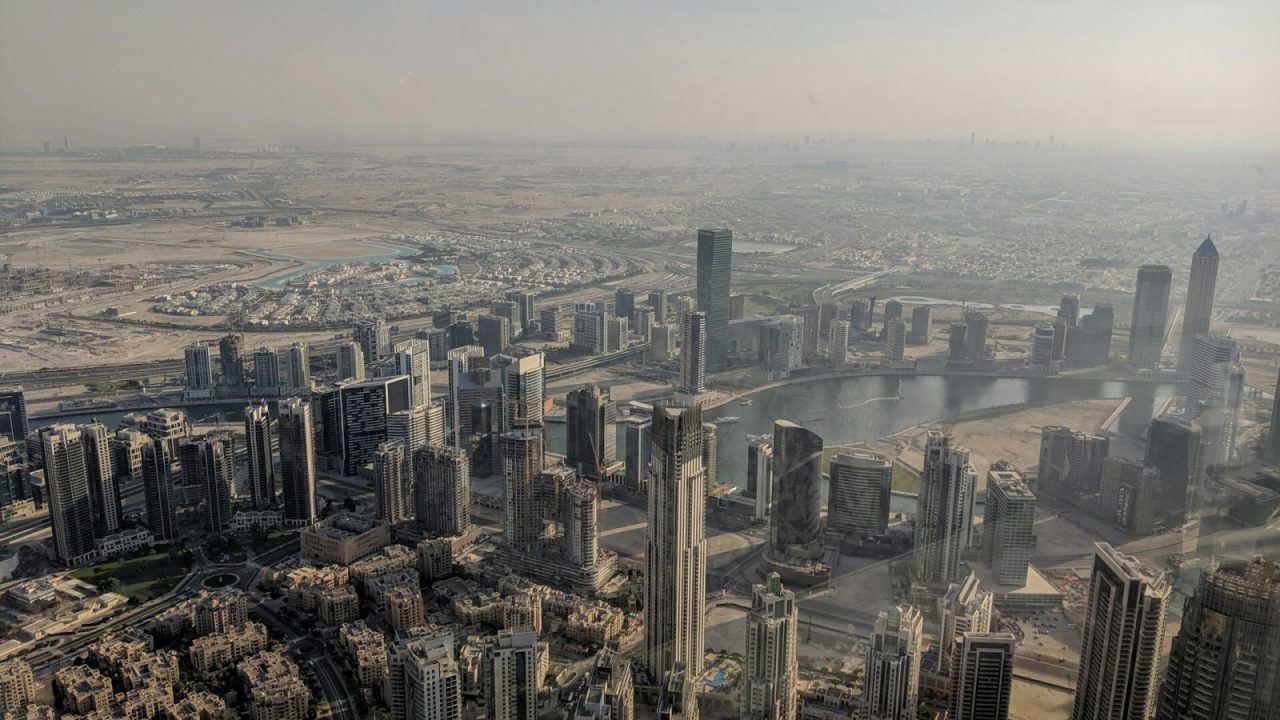
Here is the contrarian truth nobody in the travel industry wants to admit: the most exciting destination reshaping global tourism right now is not Kyoto, not Tuscany, and certainly not Dubai. It is Yunnan, a landlocked province in southwest China that most Western travelers cannot confidently locate on a map.
That is about to change. Travel agents from Europe, North Asia, and the Middle East recently completed multi-batch familiarization trips across Yunnan, with one clear mission: build new inbound tourism routes and forge lasting global partnerships. The results could redefine how millions of travelers plan their next adventure.
This is not a minor footnote in travel industry news. It is a strategic pivot. And if you care about where global tourism is heading, the countdown below explains exactly why Yunnan’s rise matters, and what makes each layer of this story more compelling than the last.
Why Yunnan’s Inbound Tourism Push Is Happening Now, Not Five Years Ago
Timing matters in travel. The world’s tourism map does not shift randomly. It shifts when infrastructure, geopolitics, and market appetite align at the same moment. All three are aligning for Yunnan right now.
Ongoing military conflict in the Middle East has caused widespread disruption to global travel, fuel supply, and transport security, according to New Zealand’s SafeTravel advisory. That disruption is pushing travel agents to diversify their portfolio of destinations. Yunnan, with its overland accessibility from Southeast Asia and direct air links to major Asian hubs, offers a compelling alternative routing.
At the same time, European online travel platforms like Booking.com, eDreams, and Expedia are competing fiercely for the Asia-Pacific market. German travelers book an average of 62 days in advance, while French travelers book around 51 days ahead. That predictable booking behavior makes Yunnan an attractive target for agents building structured seasonal packages.
| Agent Region | Key Interest in Yunnan | Target Season | Booking Lead Time |
|---|---|---|---|
| Europe | Cultural heritage, trekking routes | Spring | 51–62 days avg. |
| North Asia | Proximity, ethnic minority culture | Spring and Winter | Shorter, flexible |
| Middle East | Luxury eco-tourism, halal options | Winter | Growing segment |
Number 5: The Multi-Batch Fam Trip Model That Changes Everything
Most destination marketing follows a familiar, tired formula: fly in a few journalists, host a press conference, send everyone home with a brochure. Yunnan’s approach was fundamentally different.
The visits were structured as multi-batch familiarization trips, meaning agents arrived in separate coordinated groups rather than one large delegation. This approach allows each group to experience different routes, different accommodations, and different cultural encounters. The result is a richer, more diverse portfolio of itineraries rather than one generic template.
This matters because travel agents are not just scouts. They are architects. When an agent personally walks a route, eats at a local restaurant, and sleeps in a boutique guesthouse, they sell that experience with genuine conviction. Multi-batch fam trips multiply that conviction across dozens of agents simultaneously.
Number 4: Spring and Winter Itineraries Built to Capture Two Distinct Markets
One of the smartest decisions embedded in this initiative is the deliberate targeting of two separate travel seasons: spring and winter. This is not accidental. It reflects a sophisticated understanding of how different global markets behave.
European travelers, particularly from Germany and France, tend to plan far ahead. Spring packages built around Yunnan’s famous wildflower blooms and mild temperatures align perfectly with their 51 to 62-day booking windows. North Asian travelers, especially from South Korea and Japan, tend to be more flexible and respond well to winter packages featuring Yunnan’s snow-capped mountains and Tibetan-influenced festivals.
By developing itineraries for both seasons simultaneously, Yunnan avoids the boom-and-bust cycle that plagues many emerging destinations. A destination that fills hotels in April and again in December is a destination that can sustain long-term investment in tourism infrastructure.
Number 3: Middle East Agents Joining Despite Regional Travel Disruptions
Perhaps the most surprising element of this initiative is the participation of Middle East travel agents. The region is navigating significant geopolitical turbulence in 2026. Conflict has disrupted flight routes, raised fuel costs, and created uncertainty across the travel sector.
Yet agents from the Middle East still made the trip to Yunnan. That signals something important: when a destination is compelling enough, agents find a way. It also reflects a broader trend of Gulf-region travelers diversifying beyond traditional luxury markets in Europe and Southeast Asia.
Yunnan offers something the Gulf market increasingly seeks: authentic cultural immersion combined with high-end hospitality. The province’s ethnic minority communities, its ancient tea horse road history, and its dramatic landscapes from tropical rainforests to alpine meadows create a layered experience that is difficult to replicate elsewhere. Travelers checking current conditions can consult Insight Vacations’ worldwide travel updates for real-time guidance on how regional events affect specific itineraries.
Number 2: How Deepening Partnerships Translate Into Actual Bookings
There is a critical gap between a travel agent visiting a destination and that destination appearing in a client’s confirmed booking. The gap is called trust, and it takes time to build.
The Yunnan initiative was explicitly designed to deepen partnerships, not just introduce them. That distinction matters enormously. A single fam trip creates awareness. Deepened partnerships create repeat business, co-branded marketing campaigns, and inclusion in annual travel catalogs that reach hundreds of thousands of potential visitors.
European travel agencies like Trafalgar and Penguin Travel operate at scale. When they commit to a destination, they commit fully: dedicated landing pages, trained staff, curated packages, and promotional budgets. Getting onto those platforms is the difference between Yunnan remaining a niche interest and becoming a mainstream choice for the global traveler.
“Travel conditions can evolve quickly; travelers should continue monitoring updates as situations develop.”
— Fayyaz Travels, Middle East Travel Update 2026
The Number One Reason Yunnan’s Global Tourism Links Signal a Permanent Shift
Here is what makes Yunnan’s current moment different from every previous attempt to market it internationally: the initiative is building global tourism links, not just global tourism interest. That distinction is the entire story.
Interest fades. Links persist. A tourism link is a structural connection: a flight route added to a booking platform, a hotel chain signing a preferred partner agreement, a travel agency building a dedicated Yunnan page into its annual catalog. These are not soft outcomes. They are hard infrastructure that shapes traveler behavior for years.
The multi-batch fam trips from Europe, North Asia, and the Middle East were not a publicity exercise. They were a relationship-building exercise at scale, executed simultaneously across three of the world’s most important outbound travel markets. Europe sends hundreds of millions of international trips per year. North Asia, led by South Korea, Japan, and increasingly China’s own domestic rebound, represents one of the fastest-growing outbound markets on the planet. The Middle East, despite current turbulence, controls significant luxury travel spending.
Yunnan positioned itself at the intersection of all three. That is not luck. That is strategy.
What makes this particularly significant is the timing relative to global travel recovery. The post-pandemic reshuffling of tourism priorities has created a rare window where destinations can leapfrog their previous positioning. Travelers who might have defaulted to Paris or Bangkok five years ago are now actively seeking alternatives. Yunnan, with its biodiversity, its 26 officially recognized ethnic minority groups, its UNESCO-listed old towns, and its emerging luxury hospitality sector, is positioned to capture that curiosity.
The agents who walked Yunnan’s routes in 2026 will build the packages that millions of travelers book in 2027 and beyond. The itineraries created during these visits, calibrated for spring blooms and winter festivals, will appear in catalogs distributed across three continents. The partnerships deepened during these trips will generate co-marketing campaigns, preferred pricing agreements, and dedicated sales training for agents who have never set foot in China.
This is how destinations are made. Not through viral social media moments, but through the patient, deliberate work of agents who experience a place firsthand and then go home to sell it with conviction.
What Travelers and Industry Professionals Should Do With This Information
If you are a traveler, the practical implication is simple: Yunnan is about to become significantly easier to visit. New itineraries mean more structured options, better-trained local guides, and packages that handle the logistical complexity that currently deters many independent travelers. Spring and winter 2027 will likely be the first seasons where the full impact of these partnerships is visible in booking platforms.
If you work in the travel industry, the signal is equally clear. Destinations that invest in relationship-building with agents across multiple global markets simultaneously are the destinations that win long-term. Yunnan’s multi-batch fam trip model is worth studying and replicating.
And if you are simply paying attention to where the world is going, consider this: the agents who came to Yunnan from three continents, in the middle of a year marked by geopolitical disruption and travel uncertainty, chose to invest their time and resources in a destination most of their clients have never heard of. That is not a routine business trip. That is a bet on the future.
The question is whether the rest of the world will catch up before the best itineraries are fully booked.
Frequently Asked Questions
Frequently Asked Questions

You Might Also Like
Regent Seven Seas Mariner’s 2029 World Cruise Spans 70 Ports Across 31 Countries
One hundred and fifty nights. Seventy ports. Thirty-one countries. Seven continents. When Regent Seven Seas…

What Official Forecasts Are Telling Vietnamese Travelers About Cherry Blossom Season
Timing is everything when it comes to Japan’s cherry blossom season — and Vietnamese travelers…
Cairo Cancels Saudia and Gulf Air Flights Leaving Jeddah Routes Disrupted
Two flights out of Cairo International Airport have been cancelled, sending ripple effects through one…
Leave a Reply