
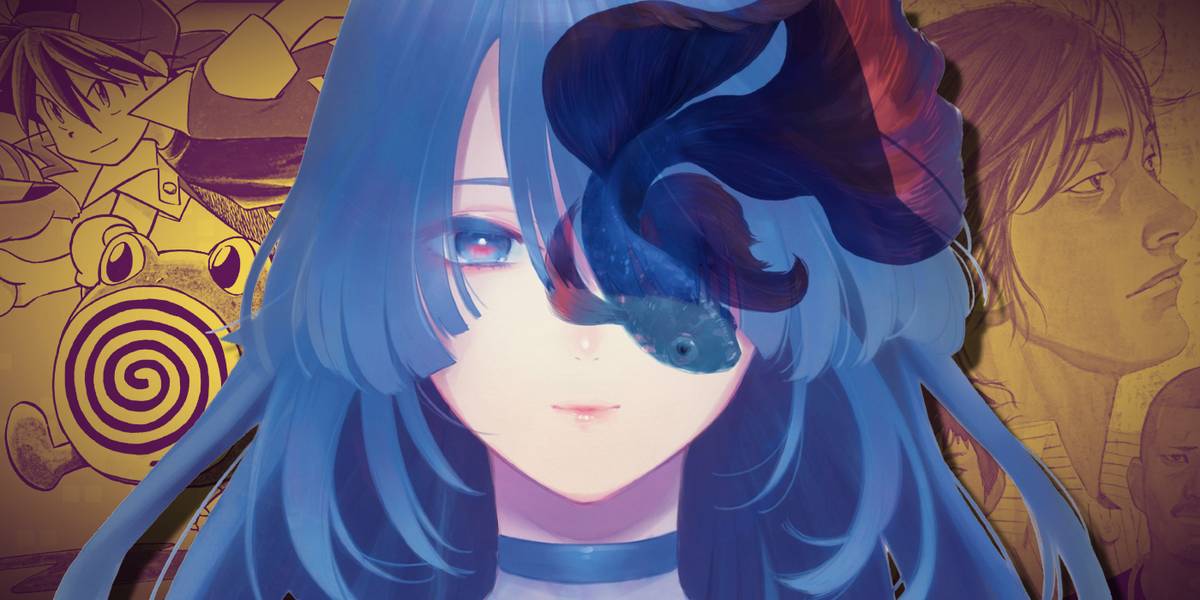
Some of the most beloved manga ever created have never made it to animation — and for many of them, that’s unlikely to ever change. While the anime industry continues to adapt popular series at a rapid pace, a surprising number of critically acclaimed and fan-favorite manga remain stuck on the page, with little to no prospect of a studio picking them up.
That gap between quality and adaptation is more common than most casual fans realize. A manga can sell millions of copies, earn devoted readership across decades, and still never attract the production green light needed to bring it to life in animated form. The reasons vary — from licensing complications and niche subject matter to the sheer difficulty of translating certain art styles or storytelling structures into animation.
For manga readers, this is a familiar frustration. For anime-only fans, it means entire worlds of exceptional storytelling remain just out of reach. Here’s a look at what makes certain manga feel nearly impossible to adapt — and why some of the best work in the medium may never reach a wider audience.
Why Great Manga Doesn’t Always Become Anime
The path from manga to anime is rarely straightforward. Studios weigh commercial viability, production costs, source material length, and audience size before committing to an adaptation. A manga that runs in a niche magazine, targets an older demographic, or deals with subject matter considered difficult to market may simply never clear those hurdles — regardless of its artistic merit.
There’s also the question of timing. Some manga ended years or decades ago, making an adaptation less commercially attractive in a market that tends to favor currently serializing titles. Others are so deeply rooted in their visual presentation that animating them faithfully would require budgets few studios are willing to commit.
Licensing and rights issues add another layer of complexity. When a creator or publisher is protective of their work, or when international rights are fragmented, the administrative barriers alone can kill a project before it starts. The result is a growing library of near-perfect manga that fans read, recommend, and cherish — while quietly accepting they may never see them animated.
What Makes a Manga “Near-Perfect” But Unadaptable
The term “near-perfect” in this context isn’t about flawlessness — it’s about the combination of artistic ambition, narrative depth, and reader impact that elevates certain titles above the average. These are manga that critics and long-time readers consistently point to when asked about the best the medium has to offer.
What often makes them unadaptable is the same thing that makes them exceptional. Dense visual storytelling, unconventional panel layouts, and tightly controlled pacing that only works in a static format can all become liabilities in animation. When a manga’s power comes from what the reader brings to it — the time spent on a single page, the silence between panels — that experience is nearly impossible to recreate on screen.
There are also practical production concerns. A manga with a small but intensely loyal fanbase may not justify the investment a full anime series requires. Studios are businesses, and passion projects with limited mainstream appeal rarely make it through development.
The Broader Pattern in Manga That Gets Left Behind
Looking across the history of manga publishing, certain patterns emerge in what gets adapted and what doesn’t. Titles that run in major weekly magazines like Shonen Jump have a structural advantage — built-in promotional infrastructure, large existing readerships, and publisher relationships with animation studios. Manga published in smaller or more specialized venues rarely benefit from those same connections.
| Factor | Favors Adaptation | Works Against Adaptation |
|---|---|---|
| Publication venue | Major weekly magazine (e.g., Shonen Jump) | Niche or independent publisher |
| Target demographic | Broad mainstream audience | Older, niche, or literary readership |
| Series status | Currently serializing | Long-completed or discontinued |
| Visual style | Action-friendly, character-driven | Highly experimental or static-dependent |
| Subject matter | Genre-friendly (action, romance, fantasy) | Dense, literary, or difficult to market |
| Licensing situation | Clean, single-party rights | Complex, fragmented, or creator-restricted |
Genre plays a significant role too. Action, romance, and fantasy titles translate naturally into animation and tend to attract broader audiences. More literary, experimental, or slice-of-life manga — even when critically praised — face a harder commercial case.
What Manga Fans Already Know That Anime Fans Are Missing
There’s a quiet divide in the fandom between readers who discovered anime first and those who came to the medium through manga. For dedicated manga readers, the idea that the best version of a story might only exist in print is not a disappointment — it’s simply the nature of the art form.
But for the growing global audience that primarily watches anime, entire categories of exceptional storytelling remain invisible. The titles most likely to stay that way tend to be the ones that reward patience, close reading, and a willingness to sit with ambiguity — qualities that don’t always translate into the kind of broad, immediate appeal that drives animation investment.
That doesn’t diminish what those manga achieve. If anything, their inaccessibility to mainstream animation audiences makes them something of a secret — known deeply by the readers who found them, and quietly extraordinary in ways that a wider audience may never get the chance to discover.
Frequently Asked Questions
Why do some highly rated manga never get anime adaptations?
Several factors work against adaptation, including niche readership, complex licensing rights, experimental visual styles, and the commercial calculations studios make before committing to production.
Does a manga have to be currently serializing to get an anime?
Not necessarily, but currently serializing titles have a structural advantage because they offer ongoing promotional opportunities and publisher support that completed series often lack.
Can a manga’s art style make it harder to animate?
Yes. Manga that rely on unconventional panel layouts, dense static imagery, or storytelling techniques that only work on a printed page can be extremely difficult — and expensive — to translate into animation faithfully.
Does a small fanbase always prevent an adaptation?
It’s a significant barrier. Studios generally need to project a return on investment, and a smaller audience makes that harder to justify, even when critical acclaim is strong.
Are there manga that were considered unadaptable but eventually got anime?
This has happened in some cases, particularly when a title experiences renewed popularity or when streaming platforms lower the financial risk for studios — but it remains the exception rather than the rule.
Is reading manga a different experience than watching an anime adaptation?
Broadly yes — manga allows readers to control pacing and spend time with individual panels in ways animation cannot replicate, which is part of why certain titles feel most powerful in their original printed form.


Leave a Reply