
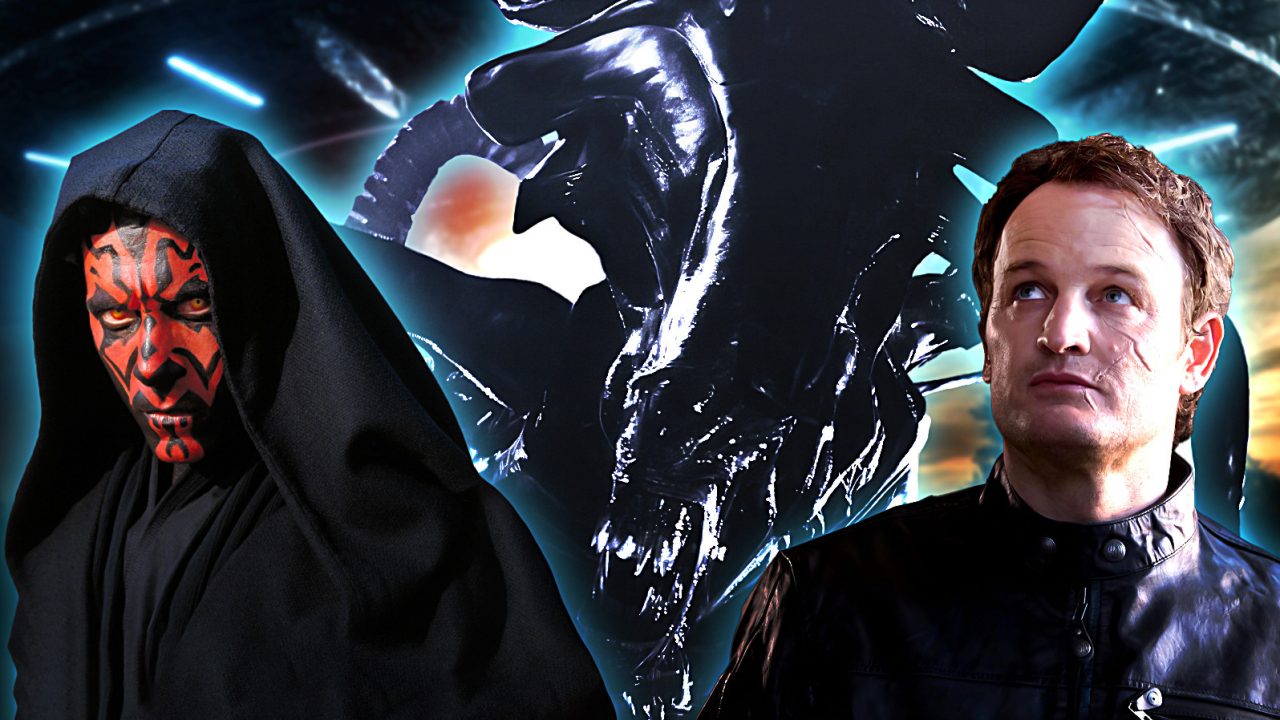
There are few things more frustrating for a film fan than sitting down to watch a highly anticipated sci-fi movie and realizing — within the first twenty minutes — that the trailer already told you exactly how it ends. It happens more often than studios would probably like to admit, and the sci-fi genre is especially vulnerable to it.
Science fiction lives and dies by its twists, its reveals, its carefully constructed moments of wonder. When a marketing team strips those moments out of context and splices them into a two-minute preview, the damage can be irreversible. You can’t un-see a spoiler. And yet, the practice keeps happening.
The topic of sci-fi movie trailers that gave away too much is one that resonates deeply with audiences who care about the experience of watching a story unfold without being walked through its biggest beats in advance. It’s worth examining why this happens, which films have suffered most from it, and what it actually costs a movie when its marketing betrays it.
Why Sci-Fi Trailers Are So Prone to Spoiling Their Own Films
The science fiction genre presents a unique marketing challenge. Unlike a romantic comedy or a straightforward action film, a sci-fi movie often hinges on a central concept — a twist in reality, a revelation about a character’s nature, a world-building detail that recontextualizes everything that came before. These are precisely the kinds of things that make for thrilling trailer moments.
Marketing teams face enormous pressure to sell a film to the widest possible audience in the shortest possible time. For science fiction especially, that often means showing enough of the concept to convince a casual viewer that the film is worth their time and money. The problem is that “enough of the concept” can very quickly become “the entire concept.”
There’s also the competitive reality of the modern media landscape. Trailers are released, dissected, and discussed online within hours. Studios feel compelled to front-load their most impressive material just to cut through the noise — even when doing so undercuts the very experience they’re trying to sell.
The Real Cost of a Spoiler-Heavy Trailer
When a trailer gives away too much, it doesn’t just rob individual viewers of a surprise. It fundamentally changes how an audience engages with a film. Instead of experiencing a story as it unfolds, viewers spend the runtime waiting for the moments they’ve already seen, mentally connecting dots they were never supposed to connect this early.
For science fiction, this is particularly damaging. A film built around a shocking third-act reveal loses much of its power when the audience has been primed for it since the first trailer dropped. The emotional payoff that the filmmakers spent years constructing gets flattened into something closer to confirmation than discovery.
It’s also worth noting that not every viewer seeks out trailers equally. Some people watch every piece of available footage before a release. Others try to go in completely cold. A spoiler-heavy trailer doesn’t discriminate — once it’s out in the world, it’s in the cultural conversation, and avoiding it entirely becomes nearly impossible.
What Makes a Sci-Fi Trailer Genuinely Good — and What Crosses the Line
The best trailers for science fiction films do something remarkably difficult: they convey tone, premise, and stakes without surrendering the moments that make the film special. They create intrigue rather than resolution. They make you want to see the movie precisely because you feel like you haven’t seen it yet.
The trailers that cross the line tend to share a few recognizable patterns. They show the film’s most visually spectacular sequence in full. They include dialogue that only makes sense as a late-film revelation. Or they assemble footage in a way that telegraphs the narrative arc so clearly that the structure of the story becomes obvious before you’ve bought a ticket.
| What a Good Sci-Fi Trailer Does | What a Spoiler-Heavy Trailer Does |
|---|---|
| Establishes tone and world without over-explaining | Shows the film’s most pivotal reveal or twist |
| Creates questions the viewer wants answered | Answers the central mystery before release |
| Uses footage selectively to build intrigue | Includes late-film dialogue or climactic sequences |
| Leaves the audience wanting more | Leaves the audience feeling like they’ve already watched it |
| Sells the experience without mapping the story | Maps the narrative arc clearly enough to predict the ending |
Why This Conversation Keeps Mattering to Sci-Fi Fans
Science fiction has always attracted audiences who are deeply invested in the experience of discovery. Part of what makes the genre so enduring is its ability to make viewers feel like they are encountering something genuinely new — a world, an idea, a possibility they hadn’t considered before.
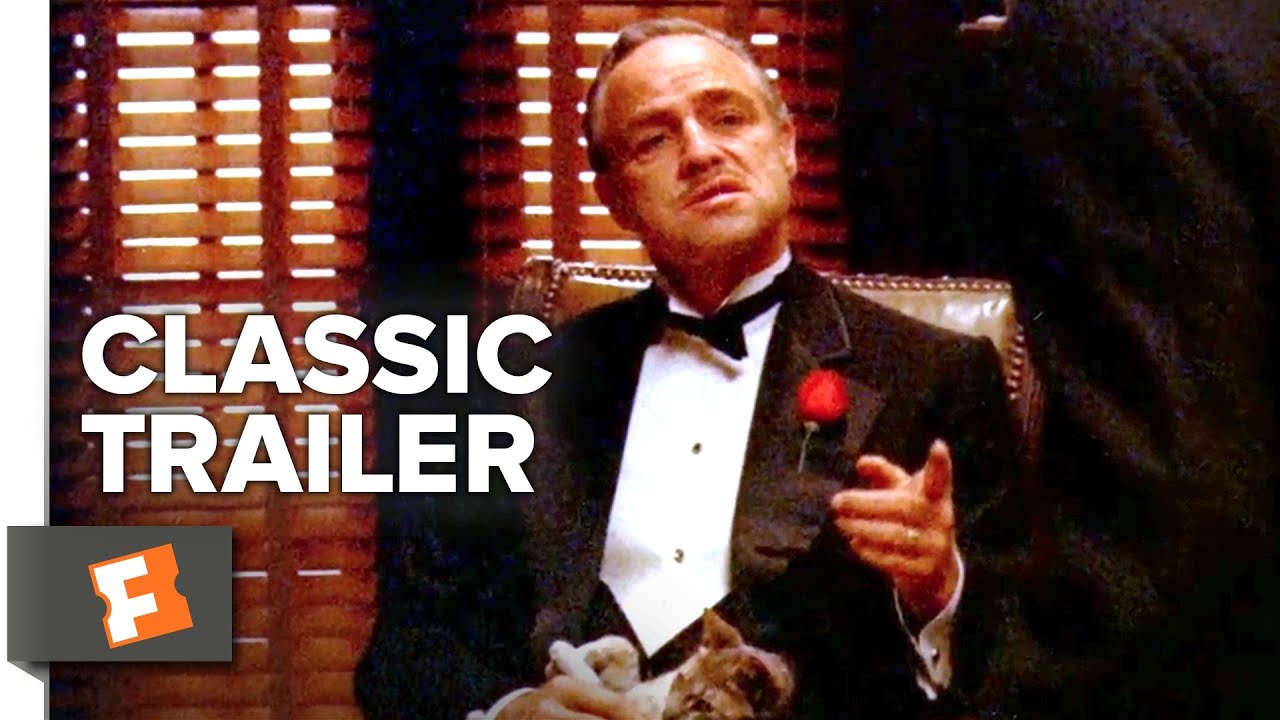
When trailers undermine that, the frustration isn’t just about spoilers in the abstract. It’s about the erosion of something that makes science fiction worth watching in the first place. Fans of the genre are vocal about this because the stakes feel real to them, and rightly so.
The conversation about spoiler-heavy trailers is ultimately a conversation about respect — respect for the audience’s intelligence, for the filmmakers’ intentions, and for the experience of watching a story the way it was meant to be watched. It’s a conversation the film industry continues to have, even as the problem continues to repeat itself.
Frequently Asked Questions
Why do studios release trailers that spoil their own movies?
Marketing teams face pressure to show enough of a film’s concept to attract the widest possible audience quickly, which can lead to revealing more than intended.
Is the sci-fi genre more vulnerable to trailer spoilers than other genres?
Yes — science fiction often depends on twists, reveals, and world-building surprises that are especially tempting to include in promotional material but damaging to reveal in advance.
Does a spoiler-heavy trailer actually hurt a film’s box office performance?
This has not been definitively confirmed by
Can a film recover from having its twist spoiled by its own trailer?
Some films do find audiences who appreciate them despite prior knowledge of key reveals, but the intended emotional payoff is generally diminished when major plot points are known in advance.
What can audiences do to avoid trailer spoilers?
Viewers who want to go in fresh can choose to stop watching trailers after the first teaser, though avoiding spoilers entirely becomes harder once promotional material enters the broader cultural conversation.


Leave a Reply