
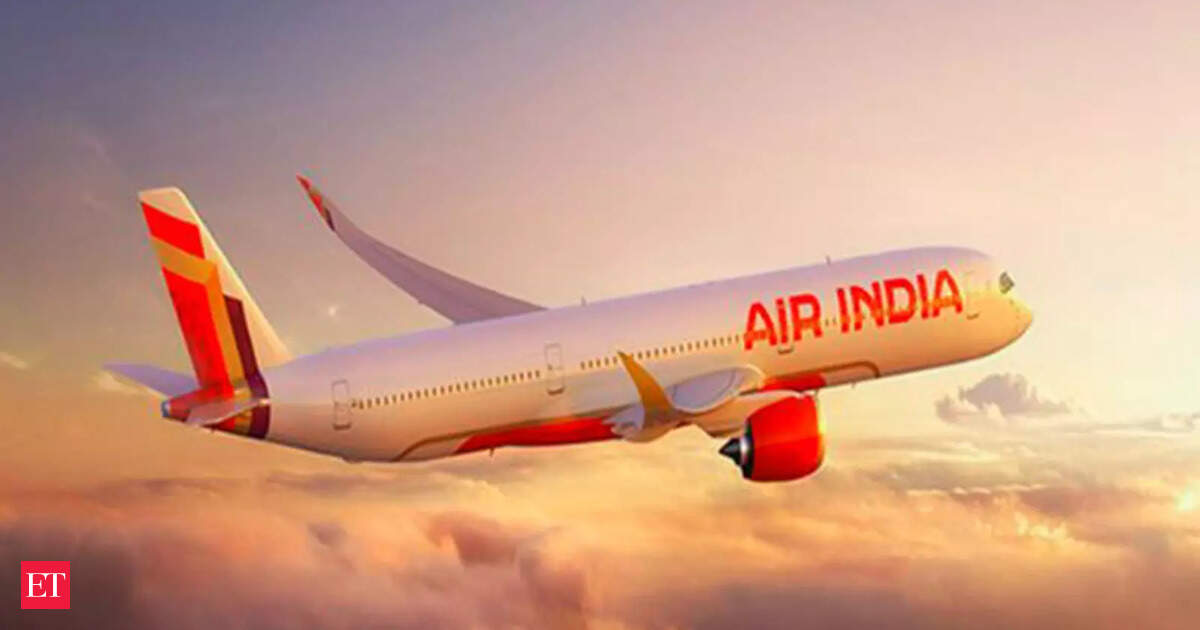
Starting March 29, 2026, every Air India domestic flight departing from or arriving into Ahmedabad will do so from a different terminal than it does today. That single operational shift — moving 210 weekly flights from Terminal 1 to Terminal 2 — represents one of the more meaningful changes Air India has made to its ground operations in recent years.
For passengers, the practical impact is immediate and tangible. Whether you’re catching a connecting flight from a domestic route to an international one, checking a bag, or simply trying to navigate the airport without confusion, this consolidation is designed to make all of that smoother.
The move is part of Air India’s broader push to modernise how it operates at major Indian airports — and Ahmedabad is the latest city where that transformation is becoming visible.
Why Air India Is Consolidating at Ahmedabad’s Terminal 2
Until now, Air India has split its Ahmedabad operations across two terminals. International flights have been handled at Terminal 2, while domestic services ran out of Terminal 1. That kind of split is common at airports around the world, but it creates real friction — both for passengers and for the airline itself.
When a traveller lands on a domestic Air India flight and needs to connect to an international departure, operating from two separate terminals means extra travel time within the airport, potential for missed connections, and added complexity in baggage transfers. By consolidating under Terminal 2, Air India eliminates that gap entirely.
The airline has described this as reducing “operational fragmentation” — a phrase that sounds technical but translates simply: fewer handoffs, fewer points of failure, and a more predictable experience for everyone involved.
Terminal 2 already handles international Air India operations at Ahmedabad, so the infrastructure, staff familiarity, and systems are already in place. Bringing domestic flights into that same environment means both sides of the operation can be coordinated from a single hub rather than managed as two separate workflows.
What the Shift Actually Involves
The scale of this change is worth pausing on. Moving 210 weekly flights to a new terminal is not a minor administrative update — it touches scheduling, ground crew positioning, gate assignments, baggage handling logistics, and passenger communications across every route Air India operates through Ahmedabad.
| Detail | Information |
|---|---|
| Effective Date | March 29, 2026 |
| Flights Affected | 210 weekly domestic flights |
| Previous Terminal (Domestic) | Terminal 1, Ahmedabad |
| New Terminal (Domestic) | Terminal 2, Ahmedabad |
| International Flights | Already operating from Terminal 2 |
| Primary Benefit | Unified domestic and international operations |
The key outcomes Air India expects from this consolidation include:
- Smoother transit connections for passengers moving between domestic and international flights
- Improved baggage handling with both operations running through the same terminal systems
- Better scheduling efficiency by eliminating coordination across two separate terminal environments
- Reduced passenger confusion — travellers will no longer need to determine which terminal applies to their journey type
- More modern passenger experience through Terminal 2’s facilities
What This Means If You’re Flying Through Ahmedabad
If you have an Air India booking through Ahmedabad on or after March 29, the most important thing to know is simple: go to Terminal 2. This applies to domestic flights that previously departed from Terminal 1.
For frequent travellers who have memorised their usual Ahmedabad airport routine, that habit will need to change. Arriving at the wrong terminal with a tight connection window is the kind of avoidable stress this update is specifically designed to eliminate — but only if passengers are aware of it in advance.
For those making connections between domestic and international Air India services, the change should actively make the experience better. Rather than transferring between terminals mid-journey, the entire itinerary will now flow through the same building, the same check-in infrastructure, and the same baggage system.
The change also signals something about the direction Air India is heading more broadly. The airline has been working through a significant transformation of its operations, and decisions like this one — consolidating infrastructure, improving connectivity, modernising the passenger journey — are consistent with that larger effort playing out across its network.
- Air India domestic flights operate out of Terminal 1 at Ahmedabad airport, separate from international services.
- Passengers connecting from domestic to international flights must navigate between two different terminals.
- Baggage handling and scheduling are managed across two separate terminal environments, creating coordination complexity.
- All 210 weekly Air India domestic flights move to Terminal 2, joining existing international operations.
- Transit passengers can connect between domestic and international Air India flights within a single terminal building.
- Unified operations at Terminal 2 streamline baggage handling, scheduling, and ground crew coordination across all flights.
Where This Fits in Air India’s Wider Strategy
Ahmedabad is not an isolated case. Air India has framed this terminal consolidation as part of its broader transformation strategy — one focused on modernising infrastructure usage at major airports across its network.
The logic is straightforward: a carrier that splits its operations across multiple terminals at the same airport is carrying hidden inefficiency in every flight it operates there. Consolidation reduces that overhead, improves the reliability of connections, and creates a more consistent experience for passengers regardless of whether they’re travelling domestically or internationally.
The March 29 effective date aligns with the start of the summer scheduling season — a natural inflection point for airlines to implement operational changes before the travel volumes of the warmer months build up.
Frequently Asked Questions
When does Air India move its domestic Ahmedabad flights to Terminal 2?
The shift takes effect on March 29, 2026, when all domestic Air India operations at Ahmedabad will move from Terminal 1 to Terminal 2.
How many flights are affected by this terminal change?
A total of 210 weekly domestic flights are being moved to Terminal 2 as part of this consolidation.
Why is Air India making this change at Ahmedabad?
The airline is consolidating domestic and international operations under one terminal to improve efficiency, reduce passenger confusion, and streamline baggage handling and scheduling.
Does this affect Air India’s international flights at Ahmedabad?
International Air India flights were already operating from Terminal 2 and are not being moved — this change brings domestic services in line with the existing international setup.
Will connecting passengers benefit from this change?
Yes — passengers connecting between domestic and international Air India flights will no longer need to transfer between terminals, making connections smoother and faster.
Is this part of a larger Air India operational strategy?
Air India has confirmed this move is part of its broader transformation strategy to modernise infrastructure usage across major airports in its network.




Leave a Reply