
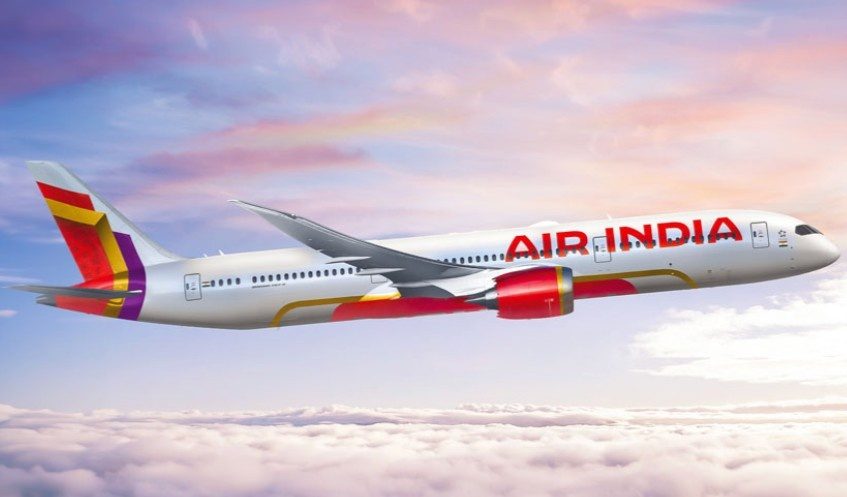
An Air India flight from Delhi to Vancouver was forced to turn around mid-air after more than seven hours in the sky — not because of a mechanical failure or a weather emergency, but because the airline had deployed the wrong aircraft for the route.
Flight AI185 was operating with a Boeing 777-200LR, a variant that does not hold the necessary Canadian operational clearance for the India-Canada corridor. Only the Boeing 777-300ER is approved for that route. The error wasn’t caught until the flight was already airborne, near Chinese airspace, leaving passengers stranded in the sky with no option but a long return to Delhi.
It’s the kind of operational lapse that raises serious questions — about airline safety protocols, regulatory compliance, and what happens to travelers caught in the middle of an administrative failure at 35,000 feet.
What Went Wrong on Air India Flight AI185
The core of this incident is straightforward but troubling. Air India dispatched a Boeing 777-200LR on a route that specifically requires a Boeing 777-300ER. These aren’t minor technical distinctions — the difference matters for regulatory certification purposes.
Transport Canada enforces strict ETOPS (Extended-range Twin-engine Operational Performance Standards) certification requirements for flights crossing the North Atlantic. The 777-200LR deployed on this flight did not meet those requirements for the India-Canada corridor, making the flight non-compliant once it left Indian airspace.
The mismatch was identified during the journey itself. By the time the error was confirmed, the flight had already been airborne for over seven hours. The decision was made to execute a U-turn and return to India rather than attempt to continue to Vancouver without the proper aircraft authorization in place.
For the passengers on board, that meant a journey that should have ended in Vancouver instead ended back where it started — after more than seven hours of flying in the wrong direction.
Key Facts About the Air India Vancouver Turnaround
| Detail | Information |
|---|---|
| Flight Number | Air India AI185 |
| Route | Delhi to Vancouver |
| Aircraft Deployed | Boeing 777-200LR |
| Aircraft Required | Boeing 777-300ER |
| Hours Airborne Before Turnaround | Over seven hours |
| Location When Issue Identified | Near Chinese airspace |
| Regulatory Authority Involved | Transport Canada |
| Reason for Return | Aircraft lacked Canada operational clearance; failed ETOPS certification requirements |
- The 777-200LR was an unauthorized deployment — not a last-minute mechanical substitution with prior approval
- The India-Canada route requires specific aircraft certification that is non-transferable between Boeing 777 variants
- Transport Canada’s ETOPS rules apply to extended overwater and transoceanic routes, making compliance mandatory, not optional
- The turnaround significantly extended total travel time for all passengers on board
Why This Matters Beyond One Delayed Flight
At first glance, this looks like an isolated operational blunder. But the ripple effects reach further than one disrupted flight.
The Delhi-Vancouver air corridor is an important link between two countries with deep cultural and economic ties. Indian travelers represent a significant share of visitors to Vancouver — drawn to the city’s ski resorts, coastal scenery, and urban attractions. Any erosion of confidence in that route’s reliability has real consequences for tourism on both ends.
Delhi’s Indira Gandhi International Airport serves as a major hub for travelers connecting from across India to North American destinations. When a high-profile incident like this occurs, it doesn’t just affect the passengers on that specific flight — it seeds doubt among potential travelers who are weighing whether to book similar routes.
Observers have noted that incidents of this nature can trigger short-term booking hesitancy on affected routes, particularly when the cause is perceived as an internal airline process failure rather than an unforeseeable external event. A weather diversion is understandable. Deploying the wrong aircraft entirely is harder to explain away.
The Regulatory Gap This Incident Exposed
The fact that a non-compliant aircraft made it off the ground and flew for over seven hours before the issue was caught points to a breakdown somewhere in Air India’s pre-flight verification process.
Standard airline operating procedures include multiple checkpoints designed to confirm that the aircraft assigned to a flight meets all regulatory requirements for that specific route — including ETOPS certification, bilateral air service agreements, and destination country approvals. For a route as long and operationally complex as Delhi to Vancouver, those checks are especially critical.
The incident raises questions about how a mismatch between aircraft type and route certification went undetected until the plane was already deep into its journey. Whether the failure originated in scheduling, dispatch, or pre-departure checks has not been publicly confirmed.
What is clear is that Transport Canada’s rules exist for a reason. ETOPS certification ensures that aircraft operating on extended transoceanic routes meet specific safety and performance standards. Those rules don’t have exceptions for administrative oversights.
What Happens Next for Affected Passengers and the Route
Passengers who were aboard Flight AI185 faced a dramatically extended travel ordeal — returning to Delhi after more than seven hours in the air, then facing the prospect of rebooking on a subsequent compliant flight. The practical impact in terms of accommodation, missed connections, and personal disruption would have been considerable.
Air India has not publicly detailed its full response plan as of the available reporting, and no official statement with specific remediation commitments has been confirmed in Passengers affected by airline-caused disruptions of this nature would typically be entitled to rebooking and, depending on applicable regulations, additional compensation — though the specifics depend on the jurisdiction and Air India’s own policies.
For the broader route, the expectation is that Air India will need to ensure strict compliance going forward — deploying only Boeing 777-300ER aircraft, the variant approved for the India-Canada corridor, on all future AI185 operations.
Frequently Asked Questions
What caused Air India Flight AI185 to turn back?
The flight returned to Delhi because Air India deployed a Boeing 777-200LR, which does not hold Canadian operational clearance for the India-Canada route. Only the Boeing 777-300ER is approved for this corridor.
How long was the flight airborne before it turned around?
The aircraft had been in the air for over seven hours before the turnaround was executed, with the issue identified near Chinese airspace.
What is ETOPS and why does it matter here?
ETOPS stands for Extended-range Twin-engine Operational Performance Standards. Transport Canada requires ETOPS certification for transoceanic routes like Delhi to Vancouver, and the deployed aircraft failed to meet those requirements.
Which aircraft is approved for the Delhi-Vancouver route?
According to available reporting, only the Boeing 777-300ER holds approval for the India-Canada corridor operated by Air India.
Will affected passengers receive compensation?
This has not been confirmed in the available source material. Passengers in situations caused by airline operational failures may be entitled to rebooking and other remedies depending on applicable regulations and airline policy.
Is the Delhi-Vancouver route still operating?



Leave a Reply