
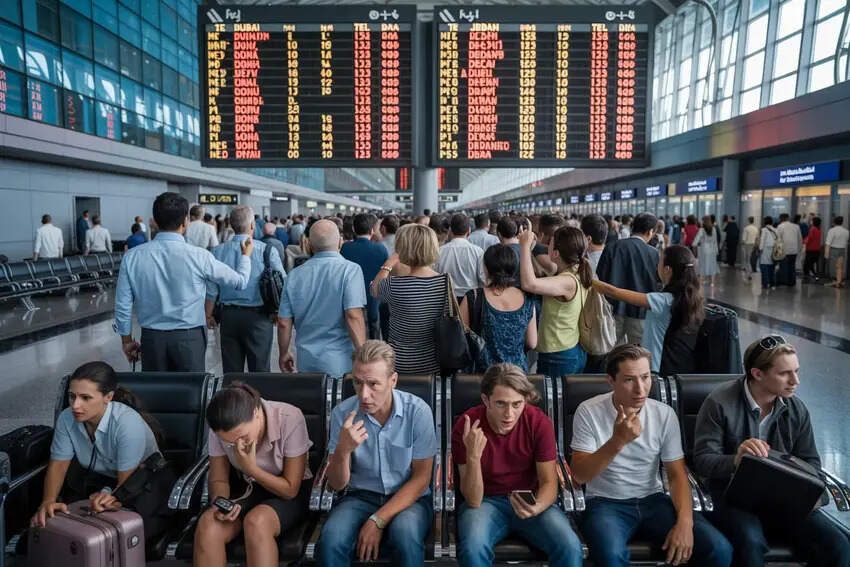
Some of the world’s most recognized airlines have simultaneously pulled flights to multiple Middle East destinations, leaving travelers scrambling and the region’s tourism sector facing a sharp and sudden downturn. British Airways has joined Air France, Delta, KLM, Lufthansa, Singapore Airlines, and Turkish Airlines in extending cancellations to major hubs including Dubai, Tel Aviv, Jeddah, and Doha — a coordinated retreat from a region that normally sees enormous international air traffic.
The suspensions are being driven by a combination of safety concerns, airspace restrictions, and deepening geopolitical instability across the Middle East. What began as precautionary pauses has, for many carriers, turned into extended groundings with no confirmed return date for some routes.
For travelers with upcoming bookings — whether for business, leisure, or family visits — the disruption is real and growing. The ripple effects stretch well beyond the airlines themselves, hitting hotels, tour operators, and entire destination economies that depend heavily on international arrivals.
Why So Many Airlines Are Walking Away From These Routes
When one airline suspends a route, it’s news. When seven or more major international carriers do it simultaneously — and extend those suspensions — it signals something more serious than routine caution.
The core drivers appear to be safety assessments of the airspace over and around conflict zones, combined with formal restrictions that some governments and aviation authorities have placed on flight paths through the region. Airlines have legal and regulatory obligations to avoid airspace deemed unsafe, and when those restrictions expand, even routes to destinations like Dubai — which is not itself a conflict zone — can become operationally complicated or commercially unviable.
Geopolitical instability adds another layer. Even where airspace remains technically open, airlines weigh the risk to aircraft and passengers against the commercial value of the route. When multiple carriers reach the same conclusion at the same time, it reflects a broad consensus within the industry that conditions on the ground — and in the air — remain too unpredictable to operate safely.
Which Airlines Are Affected and Where Flights Have Been Suspended
The list of carriers pulling back from Middle East destinations has grown steadily. Here is what is confirmed based on the current situation:
| Airline | Status | Affected Destinations |
|---|---|---|
| British Airways | Extended cancellations | Dubai, Tel Aviv, Jeddah, Doha |
| Air France | Extended cancellations | Middle East routes including Tel Aviv |
| Delta Air Lines | Extended cancellations | Middle East destinations |
| KLM | Extended cancellations | Middle East routes |
| Lufthansa | Extended cancellations | Middle East destinations |
| Singapore Airlines | Extended cancellations | Middle East routes |
| Turkish Airlines | Extended cancellations | Middle East destinations |
The breadth of this list is notable. These are not regional or budget carriers — they represent some of the highest-capacity, most globally connected airlines in the world. Their collective withdrawal from these routes removes a significant volume of available seats for travelers trying to reach or leave the affected destinations.
What This Means for Travelers Right Now
If you have a flight booked to Dubai, Tel Aviv, Jeddah, or Doha with any of these carriers in the coming weeks, the situation demands immediate attention. Cancellations that were initially announced as short-term measures are now being extended, which means the window for rebooking or securing refunds may be narrowing depending on your airline’s specific policies.
Travelers already in the region face a different set of challenges — reduced options for departure, potential delays, and in some cases the need to route through alternative hubs that may add significant time and cost to their journey.
For the tourism industry in destinations like Dubai and Doha — cities that have invested enormously in positioning themselves as global travel destinations — the sustained drop in international arrivals carries real economic consequences. Hotels, hospitality businesses, and tour operators that depend on European and American visitors are feeling the impact directly.
Tel Aviv’s tourism sector, already under severe strain due to the ongoing conflict, faces the most acute pressure. The near-total suspension of international commercial flights to and from the city has effectively isolated it from normal global air connectivity.
How Long Could These Suspensions Last?
That is the question every affected traveler and tourism operator wants answered — and the honest answer is that no confirmed timeline has been established. Airlines have been extending their cancellations incrementally, which suggests they are reassessing conditions on a rolling basis rather than committing to a fixed return date.
The broader geopolitical situation in the Middle East will likely be the primary factor determining when normal service resumes. Until airlines and aviation authorities are satisfied that airspace is reliably safe and that operational conditions have stabilized, the suspensions are expected to remain in place.
Travelers planning trips to the region in the months ahead should monitor their airline’s communications closely, consider flexible booking options where available, and consult their government’s official travel advisories before making any new reservations.
For the destinations themselves, the path back to normal tourism levels runs directly through a resolution — or at least a significant de-escalation — of the tensions that triggered these suspensions in the first place.
Frequently Asked Questions
Which airlines have extended flight cancellations to Middle East destinations?
British Airways, Air France, Delta, KLM, Lufthansa, Singapore Airlines, and Turkish Airlines have all extended cancellations affecting Middle East routes.
Which destinations are most affected by these flight cancellations?
Dubai, Tel Aviv, Jeddah, and Doha are among the key destinations identified as being affected by the widespread airline suspensions.
Why are so many airlines cancelling flights to the Middle East?
The cancellations are driven by safety concerns, airspace restrictions, and escalating geopolitical instability across the region.
What should travelers with existing bookings do?
Travelers should contact their airline directly to understand their rebooking or refund options, and monitor official government travel advisories for the latest guidance.
When will flights to these destinations resume?
No confirmed return dates have been established — airlines are reassessing conditions on a rolling basis, and resumption will depend on the broader geopolitical situation stabilizing.
How is the tourism industry in the region being affected?
The sustained drop in international arrivals is creating significant disruption for the travel and tourism sectors in affected destinations, with hotels, hospitality businesses, and tour operators all reporting a sharp decline in visitors.


Leave a Reply