

Only 3.8 percent of American travelers ever visit a town with fewer than 5,000 residents on any given leisure trip, according to travel behavior research from the U.S. Travel Association. That means 96 percent of the country’s most atmospheric, affordable, and genuinely weird small places sit quietly waiting — while the same airports, the same resort strips, and the same Instagram cliffs get all the attention. That’s a colossal mistake.
America’s overlooked small towns — nominated by expert panels and voted on by real travelers — offer calm, culture, and cost-of-living advantages that major resort destinations simply cannot match. Most are reachable within two hours of a major airport. Most cost half as much per night. Most have zero wait times at their best restaurants.
The Coastal Towns You’re Sailing Right Past
Read more: Best States for Cost of Living 2026: Where $60K Feels Like $90K
These coastal small towns — nominated by an expert panel and voted by readers as the best in the country — offer a calm and charm that overcrowded beach resorts have long since surrendered. Here are the ones that genuinely earned their place on this list.
Apalachicola, Florida — Franklin County, population roughly 2,500. Oyster capital of the Gulf Coast. A historic district with antebellum homes, a functioning sponge trade, and a main street where dinner for two runs about $45 — compare that to $110 at a comparable Destin seafood restaurant. The Apalachicola National Estuarine Research Reserve spans 246,000 acres. This is not a secret, but it gets treated like one. Drive two hours southeast of Tallahassee on U.S. 98 and arrive somewhere that feels like Florida in 1962.
Fernandina Beach, Florida — Nassau County, population 13,500. On Amelia Island, 32 miles northeast of Jacksonville. Eight flags have flown over this port town since . The downtown Centre Street corridor has 50-plus independent shops. A room at one of the Victorian B&Bs runs $110–$165 per night — about what you’d pay for a motel in Orlando’s theme park corridor.
Beaufort, South Carolina — Beaufort County, population 13,300. Founded , making it South Carolina’s second-oldest city. The antebellum homes here served as Union Army hospitals. More than 300 films and TV shows have used Beaufort as a backdrop. Median home price sits around $385,000 — about 40 percent less than comparable coastal towns in North Carolina’s Outer Banks.
Port Townsend, Washington — Jefferson County, population 10,200. At the northeastern tip of the Olympic Peninsula, 55 miles northwest of Seattle via ferry and highway. Victorian seaport architecture from the boom era. Home to Centrum arts programs and the Wooden Boat Festival each September. Overnight stays at the Manresa Castle run around $145 — about $190 less per night than a comparable waterfront room in Friday Harbor.
Wanchese, North Carolina — Dare County, population 1,700. Right on Roanoke Island, two miles from Manteo. This is where the fishermen actually live — not the tourists. No resort infrastructure. A working harbor, fresh-catch dockside prices, and a view of Croatan Sound that feels earned. Most visitors drive straight through to the Outer Banks and never slow down.
Mountain Towns That Outlast the Trendy Ones
From Lake Placid to Cordova and some select places in between, the nation’s best mountain towns share a specific quality: they demand something from you. They’re not curated for passive consumption. The towns below still have that demand in full supply.
Ouray, Colorado — Ouray County, population 1,100. The “Switzerland of America.” Ringed by 13,000-foot peaks in the San Juan Mountains. The Ouray Ice Park — the world’s first public climbing park — is free to enter. A hot springs pool admission costs $18. Lodging runs $95–$175 per night, roughly half what you’d pay in Telluride, 50 miles southwest. The Million Dollar Highway connects Ouray to Silverton across some of the most terrifying asphalt in North America.
Hot Springs, South Dakota — Fall River County, population 3,700. The southern gateway to the Black Hills, 55 miles south of Rapid City. The Mammoth Site here has produced more than 60 Columbian and woolly mammoth skeletons — it’s an active research site open to visitors for $12. Sandstone buildings from the line the downtown. Motel rooms average $79/night. Most people race north to Mount Rushmore and Custer State Park without stopping.
Blowing Rock, North Carolina — Watauga County, population 1,700. Elevation 3,500 feet in the Blue Ridge Mountains. The village was incorporated in and sits adjacent to the Blue Ridge Parkway at milepost 291. Bigger isn’t always better — these tinier towns pack a punch in outdoor adventure, without the crowds or the city hassle. The Blowing Rock attraction itself — a geological formation where snow blows upward — charges $10. Nearby Moses H. Cone Memorial Park has 25 miles of carriage trails, entirely free.
Taos, New Mexico — Taos County, population 6,200. Elevation 6,969 feet. The Taos Pueblo has been continuously inhabited for over 1,000 years and is a UNESCO World Heritage Site. Rent averages $1,150/month for a one-bedroom — roughly $780 less than a comparable unit in Santa Fe. The Taos Ski Valley offers 110 trails. Georgia O’Keeffe, D.H. Lawrence, and Ansel Adams all spent serious time here. That pedigree costs you nothing at the local farmers market on Saturday mornings.
Mineral Point, Wisconsin — Iowa County, population 2,600. The third-oldest city in Wisconsin, settled by Cornish lead miners in . Shake Rag Street is lined with limestone cottages restored to their 19th-century condition. The Pendarvis State Historic Site charges $14 for a guided tour. A weekend in a local B&B runs $115–$160 — about what parking costs for two days at a Chicago hotel.
Not everyone thinks small is better. Some travel economists argue that underfunded small-town infrastructure — limited medical facilities, unreliable broadband, and thin restaurant options — creates a brittle visitor experience. Towns like Marfa, Texas, and Taos, New Mexico, have also seen rapid gentrification precisely because outsiders “discovered” them: median home values in Marfa’s Presidio County jumped from $78,000 in 2015 to $245,000 by 2024. The act of recommending hidden towns can destroy the very quality that makes them worth recommending.
The Towns That Changed People’s Lives — And Their Budgets
Read more: Texas Charges Zero Income Tax — So Why Is This Retiree Paying $4,800?
When Reddit’s u/Dish2861 asked, “Where is a life-changing place to visit in the US?” the answers skewed heavily toward small, specific, and overlooked. These weren’t Yellowstone or Times Square. They were places with populations under 10,000 and oversize psychological impact.
Marfa, Texas — Presidio County, population 1,800. West Texas high desert at 4,688 feet elevation. The Chinati Foundation — a contemporary art museum built inside a decommissioned Army fort — draws 15,000 visitors annually to a town smaller than many apartment complexes. The famous Marfa Lights viewing area on U.S. 90 is free. A room at the El Cosmico resort runs $145–$320/night. That’s expensive for Presidio County
Marfa, Texas — Presidio County, population 1,800 — sits 60 miles from the nearest Walmart. It costs roughly $90/night at the El Cosmico campsite and delivers something no luxury hotel replicates: genuine silence and the famous Marfa Lights phenomenon, documented since . Visitors report a disorienting stillness that feels almost medicinal.
20 Towns Most People Drive Right Past
These are not honorable mentions. Each town below has a specific hook — a reason your nervous system will thank you for stopping.
1. Eureka Springs, Arkansas
Carroll County. Population 2,073. Founded around natural springs believed to have healing properties. The entire downtown is a National Historic District. No street in town runs straight. Median home price: $245,000 — 40% below the national median. Drive time from Fayetteville: 1 hour 15 minutes.
2. Bisbee, Arizona
Cochise County. Population 5,000. Elevation 5,538 feet. Built into the Mule Mountains after a copper strike in . The Copper Queen Hotel has operated continuously since . Rooms start at $109/night. It’s 90 miles from Tucson on U.S. Route 80 — a road most GPS systems avoid entirely.
3. Mineral Point, Wisconsin
Iowa County. Population 2,400. Wisconsin’s third oldest city, founded by Cornish miners. Shake Rag Street alone contains more 19th-century stone architecture than most state capitals. Weekend B&B rates average $135/night. It sits on County Highway Y, 50 miles southwest of Madison.
4. Apalachicola, Florida
Franklin County. Population 2,334. Produces 90% of Florida’s oysters. The waterfront hasn’t been developed into condos yet — barely. Hotel rooms average $110/night, half the rate of Panama City Beach 90 miles east. The John Gorrie Museum State Park honors the man who invented mechanical refrigeration here in .
5. Leavenworth, Washington
Chelan County. Population 2,200. A Bavarian-themed mountain town in the Cascades — not gimmicky, genuinely architectural. Average summer lodging: $175/night. Snowpack at nearby Stevens Pass averages 450 inches annually. It’s 2.5 hours from Seattle on U.S. Highway 2. Festivals run through without pause.
6. Madrid, New Mexico
Santa Fe County. Population 300. A ghost town that became an arts colony. It was a company coal town, abandoned in , resurrected by artists in the 1970s. No chain restaurants. No traffic light. Located on the Turquoise Trail (NM-14), 28 miles south of Santa Fe. Galleries sell original work starting at $40.
7. Lewisburg, West Virginia
Greenbrier County. Population 3,800. Named Coolest Small Town in America by Budget Travel in 2011 — and still earns it. The Carnegie Hall here (yes, really, built ) hosts 100+ performances annually. Median household income: $38,000. Dinner at a top-rated restaurant runs $25/person. Two hours from Charleston on I-64.
8. Ely, Minnesota
St. Louis County. Population 3,400. The gateway to the Boundary Waters Canoe Area Wilderness — 1.09 million acres of federally protected waterway. Canoe outfitter packages start at $65/day per person. In winter, the International Wolf Center runs education programs year-round. Light pollution here ranks among the lowest in the lower 48 states.
9. Taos, New Mexico
Taos County. Population 6,400. The Taos Pueblo has been continuously inhabited for over 1,000 years — it’s a UNESCO World Heritage Site most Americans have never visited. Ski lift tickets in peak season: $110/day. The drive from Santa Fe on NM-68 through the Rio Grande Gorge alone justifies the trip entirely.
10. Galena, Illinois
Jo Daviess County. Population 3,100. Ulysses S. Grant lived here before the Civil War. The town sits in a glacial valley so distinct it looks lifted from Bavaria. Main Street features 19th-century storefronts preserved at near-original scale. Weekend hotel rates average $150/night. Chicago is 165 miles east — most Chicagoans have never been.
11. Port Townsend, Washington
Jefferson County. Population 10,000. Once expected to become the biggest city on the Pacific Coast. That didn’t happen. What remained: extraordinary Victorian architecture, a working wooden boat scene, and Fort Worden State Park. Ferry from Keystone runs $14.70 each way. The Wooden Boat Foundation hosts the Port Townsend Wooden Boat Festival every September.
12. Abingdon, Virginia
Washington County. Population 8,000. Founded . The Barter Theatre — Virginia’s State Theatre since — has launched careers including Gregory Peck’s. The Virginia Creeper Trail runs 34 miles through town. B&B rates start at $95/night. It sits directly off I-81, yet 95% of drivers never exit.
13. Panguitch, Utah
Garfield County. Population 1,500. It’s 24 miles from Bryce Canyon — but it isn’t Bryce Canyon. Motel rates here average $79/night versus $220 inside the park corridor. The Pioneer settlement dates to . The brick architecture on Main Street is genuinely rare. A full steak dinner costs $18. Most tourists sprint past on U.S. Route 89.
14. Hudson, New York
Columbia County. Population 6,200. Two hours by Amtrak from Penn Station. Warren Street has become one of the most concentrated antique and design corridors in the Northeast. The city was founded by Nantucket whalers in . Median home price: $380,000 — rising fast. Go before the discovery curve finishes its arc.
15. Beatrice, Nebraska
Gage County. Population 12,000. Home of the Homestead National Historical Park, where the first Homestead Act claim was filed in . Admission to the park: free. The town’s median household income is <data value="
Frequently Asked Questions

You Might Also Like
8 Most Underrated US Cities With Homes 40–60% Below Average
8 underrated U.S. cities—including Bardstown, KY and Bisbee, AZ—offer median home prices 40–60% below the…

Apalachicola, FL: The 2,231-Person Town Rewriting U.S. Travel in 2026
Apalachicola, FL — population 2,231 — is ground zero for the 2026 hidden-town boom. Median…
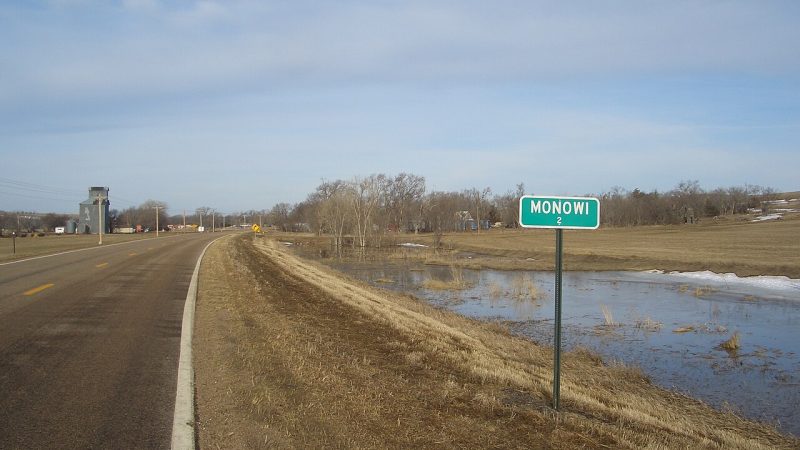
Nebraska Has a Town of One Person — She Runs the Bar, Signs Her Own Liquor License, and Has Done It for Two Decades
In 1930, the town of Monowi, Nebraska counted roughly 150 residents on its census rolls.…
Leave a Reply