
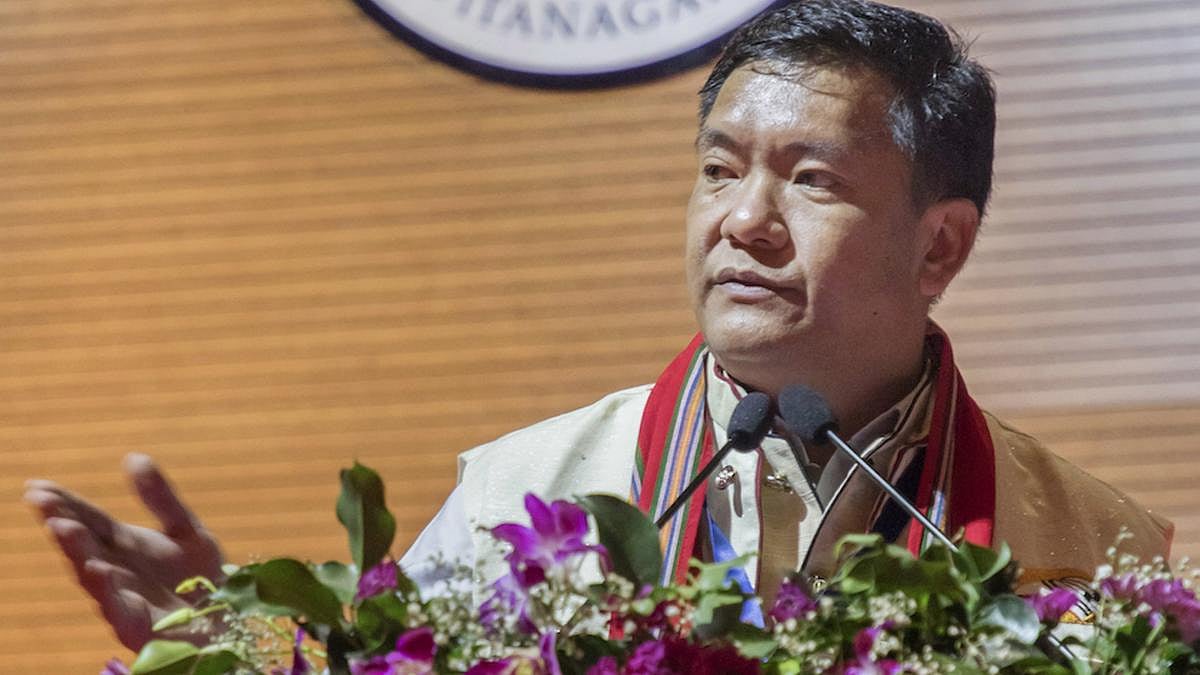
One of India’s most ecologically rich states is making a strategic move to turn its rivers into a major tourism draw. Arunachal Pradesh is exploring the development of river tourism at the confluence of the Kamle River and the Subansiri River — a site known locally as the Rach-Ratch confluence — with the goal of creating sustainable economic opportunities while protecting the natural environment that makes the region so remarkable.
The push is backed at the highest levels of state government. Chief Minister Pema Khandu, Deputy Chief Minister Chowna Mein, MLAs Kardo Nyogyir and Ninong Ering, and Chief Secretary Manish Kumar Gupta all made a direct visit to the confluence site to assess its potential. That kind of senior-level attention signals that this isn’t a casual proposal — it’s a priority.
The Subansiri River, which runs through the heart of Arunachal Pradesh, has navigable stretches that officials believe could serve as the foundation for a genuine marine tourism hub. The vision combines river experiences with eco-tourism and cultural tourism, targeting both domestic and international visitors who want something more immersive than a conventional holiday.
Why the Kamle-Subansiri Confluence Could Be a Major Tourism Asset
River confluences have a natural drama to them — two distinct bodies of water meeting, often with contrasting currents, colors, and surrounding landscapes. The Rach-Ratch confluence, where the Kamle River meets the Subansiri, sits within a state that already offers some of India’s most unspoiled natural scenery.
Arunachal Pradesh has long been considered an underexplored destination, partly due to its remote geography and partly because infrastructure development has historically lagged behind other Indian states. But that remoteness is increasingly seen as an asset rather than a barrier. Travelers are actively seeking destinations that feel untouched, and river tourism fits that demand precisely.
The state’s broader strategy is to harness the tourism potential of its water resources — rivers, confluences, and navigable waterways — as part of a wider eco-tourism framework. The Subansiri River’s navigable stretches make it particularly suited to activities like boat tours, wildlife observation from the water, and cultural excursions to communities along the riverbanks.
What the State Is Actually Planning
Based on the government visit and stated objectives, the river tourism development at the Kamle-Subansiri confluence is focused on several interconnected goals:
- Establishing the Subansiri River corridor as a recognized marine tourism hub
- Promoting eco-friendly tourism that does not damage the natural environment
- Creating local employment opportunities tied directly to tourism activities
- Attracting both domestic Indian tourists and international visitors
- Integrating river tourism with existing cultural tourism offerings in the region
| Element | Details |
|---|---|
| Site of interest | Rach-Ratch confluence of the Kamle River and Subansiri River |
| Key officials involved | CM Pema Khandu, Deputy CM Chowna Mein, MLAs Kardo Nyogyir and Ninong Ering, Chief Secretary Manish Kumar Gupta |
| Primary river focus | Subansiri River, which has navigable stretches |
| Tourism type targeted | Marine tourism, eco-tourism, river tourism, cultural tourism |
| Target audience | Domestic and international tourists |
| Development priorities | Sustainable growth, job creation, eco-friendly infrastructure |
The Real-World Impact on Local Communities and Visitors
For the communities living along the Kamle and Subansiri rivers, this initiative could mean something tangible: jobs. River tourism ecosystems typically generate employment across a wide range of roles — boat operators, guides, hospitality workers, artisans selling local crafts, and logistics support. When tourism development is done with sustainability at its core, those jobs tend to be durable rather than seasonal spikes.
For travelers, the prospect of a properly developed river tourism corridor in Arunachal Pradesh is genuinely exciting. The state’s northeastern position means it borders some of Asia’s most biodiverse regions. River journeys through that kind of landscape — with cultural encounters along the way — represent exactly the kind of experience that can’t be replicated at more commercial destinations.
The eco-friendly emphasis matters here too. Poorly managed tourism can degrade the very environments that attract visitors in the first place. By framing development around sustainability from the outset, state officials appear to be trying to avoid the boom-and-bust cycle that has damaged other natural tourism destinations across India and Southeast Asia.
Officials have noted that the goal is to provide meaningful opportunities for people who want to immerse themselves in nature, river experiences, and the cultural richness of the region — rather than simply passing through.
What Happens Next for River Tourism in Arunachal Pradesh
The government visit to the confluence site represents an early but significant step — moving from general awareness of the region’s potential to active official assessment. The next phase would logically involve detailed feasibility studies, infrastructure planning, and community consultation, though specific timelines have not yet been confirmed publicly.
What is clear is that Arunachal Pradesh is positioning river tourism not as a niche add-on to its existing tourism profile, but as a serious growth area. The involvement of the Chief Minister, Deputy Chief Minister, and Chief Secretary in a single site visit underscores how seriously the state is treating this opportunity.
For a state with extraordinary natural assets and a growing interest from travelers seeking authentic experiences, the Kamle-Subansiri confluence could become one of northeastern India’s most distinctive tourism destinations — if the development stays true to the eco-friendly and community-focused principles officials have outlined.
Frequently Asked Questions
Where exactly is the tourism development being planned?
The focus is on the Rach-Ratch confluence, where the Kamle River meets the Subansiri River in Arunachal Pradesh.
Which government officials were involved in the site visit?
Chief Minister Pema Khandu, Deputy Chief Minister Chowna Mein, MLAs Kardo Nyogyir and Ninong Ering, and Chief Secretary Manish Kumar Gupta all visited the confluence site.
What type of tourism is Arunachal Pradesh looking to develop?
The state is promoting marine tourism and river tourism as part of a broader eco-tourism strategy, with cultural tourism also integrated into the vision.
Will this development create local jobs?
Yes — job creation for local communities is stated as one of the central objectives of the river tourism initiative.
Is this development environmentally sustainable?
Officials have emphasized eco-friendly development as a core principle, aiming to protect the natural environment while building tourism capacity.
When will the river tourism hub be operational?
A specific timeline has not yet been confirmed — the current phase involves site assessment and exploring development possibilities.

Leave a Reply