
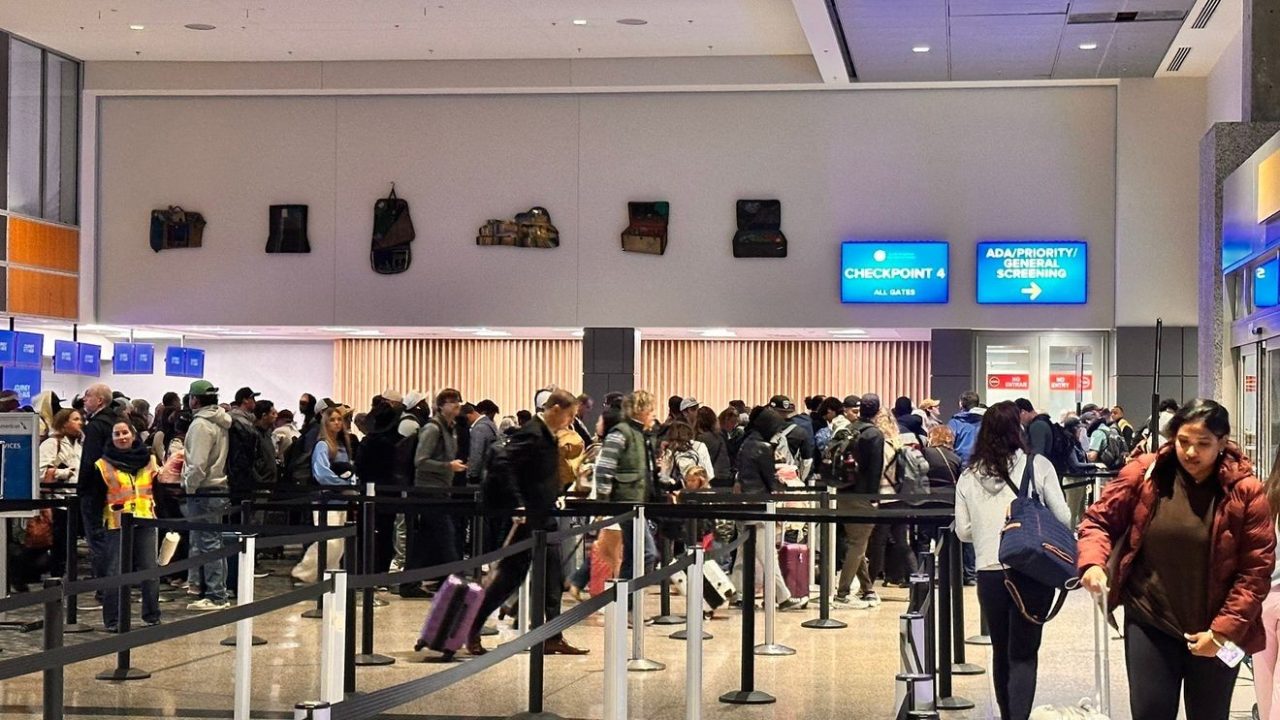
One hundred and eighty-three flights delayed. Twenty-eight canceled. All in a single day at one of the fastest-growing airports in the United States. For the thousands of travelers moving through Austin-Bergstrom International Airport on March 18, 2026, what should have been a routine travel day turned into hours of uncertainty, crowded gate areas, and constantly shifting departure boards.
Austin-Bergstrom, already under pressure from the city’s explosive population growth and its role as a hub for major events, found itself at the center of a significant disruption that sent ripple effects across routes connecting to major destinations nationwide. Families, business travelers, and visitors who had come to Austin for live music, tech gatherings, and Hill Country trips were left watching “On Time” statuses flip to “Delayed” with no clear end in sight.
If you have travel coming up through Austin — or if you’re trying to understand what happened and why — here’s what we know.
What Happened at Austin-Bergstrom International Airport
The disruption at Austin-Bergstrom International Airport resulted in 183 flight delays and 28 outright cancellations in a single operational day. That scale of disruption placed enormous strain on an airport that has seen passenger demand surge dramatically over the past several years as Austin’s population and profile have grown.
Departure boards that travelers rely on for real-time updates became a source of mounting frustration as gate information shifted repeatedly. Security lines stretched longer than usual as delayed passengers remained in the terminal rather than clearing through to their destinations. The ripple effect of that many delayed flights means that aircraft, crews, and gates that should have turned over and reset for the next wave of departures were stuck in a holding pattern.
Who Was Caught in the Chaos
The disruption did not hit one type of traveler. It cut across nearly every category of passenger moving through Austin on that day.
- Families with young children faced the particular strain of managing long waits in crowded terminals without the flexibility business travelers sometimes have.
- Business travelers heading to meetings and conferences found their schedules thrown into disarray, with cascading consequences for appointments and connections.
- Festival-goers and event visitors who had traveled to Austin for live music and cultural events faced the frustrating irony of their departure being the most chaotic part of the trip.
- Tech conference attendees, a significant part of Austin’s travel demographic given the city’s growing reputation as a tech hub, were among those affected.
- Hill Country travelers using Austin as their gateway faced delayed returns home.
Routes connecting Austin to major destinations across the country were disrupted, meaning the impact extended well beyond Austin itself. Passengers connecting through other hubs faced missed connections and downstream delays that compounded the original problem.
Austin-Bergstrom Flight Disruption: The Numbers at a Glance
| Disruption Type | Number of Flights Affected |
|---|---|
| Flights Delayed | 183 |
| Flights Canceled | 28 |
| Total Disrupted Flights | 211 |
Those 211 disrupted flights represent a significant share of any airport’s daily operations. For context, Austin-Bergstrom handles hundreds of flights per day, and a disruption of this scale affects not just the passengers on those specific flights but the entire flow of aircraft and crew scheduling across the network.
Why Disruptions at Austin-Bergstrom Hit Harder Than at Other Airports
Austin-Bergstrom is not a small regional airport anymore. It has grown into one of the more consequential mid-sized airports in the country, serving a city that has attracted major employers, a booming tourism industry built around live music and outdoor recreation, and one of the most active conference and events calendars in the South.
That growth has made the airport busier — and it has also made disruptions more painful. When flights back up at Austin-Bergstrom, the passengers stranded there are not just local residents. They include visitors from across the country who have no local support network to fall back on, no easy alternative transportation, and often no flexibility in their schedules.
Heavy traffic at the airport in the context of a disruption like this creates a compounding effect. Delayed aircraft block gates. Delayed crews hit scheduling limits. Passengers who miss connections generate rebooking demand that strains airline customer service capacity. What starts as one bad day can take 24 to 48 hours for the system to fully absorb and reset.
What Travelers Caught in the Disruption Should Know
If you were affected by the Austin-Bergstrom disruptions on March 18, 2026, or if you have upcoming travel through the airport and want to be prepared, a few practical realities are worth keeping in mind.
- Check your airline’s rebooking policies. Most major carriers offer no-fee rebooking when disruptions reach a certain scale. Contact your airline directly rather than waiting in airport lines if possible.
- Document everything. If you incurred hotel, meal, or transportation costs as a result of a cancellation, keep receipts. Some airlines provide compensation for expenses caused by disruptions within their control.
- Monitor your flight status in real time. Apps and airline websites typically update faster than airport departure boards during high-disruption periods.
- Build buffer time into Austin connections. Given the airport’s growth and the frequency with which it has experienced capacity pressure, travelers connecting through Austin should consider longer layover windows than they might at a larger hub.
What Comes Next for Austin-Bergstrom
The specific cause of the March 18 disruptions has not been confirmed in the available reporting. Whether the cascading delays stemmed from weather, air traffic control constraints, staffing issues, or some combination of factors was not detailed in
What is clear is that Austin-Bergstrom will continue to face pressure as one of the country’s fastest-growing airports. Airline schedules typically begin restabilizing within 24 to 48 hours of a major disruption, but passengers with travel in the days immediately following an event like this should monitor their flights closely for lingering effects on aircraft positioning and crew availability.
Austin’s airport has been the subject of ongoing discussions about capacity, infrastructure, and how to manage the city’s growth without degrading the travel experience. Days like March 18 tend to sharpen those conversations.
Frequently Asked Questions
How many flights were delayed at Austin-Bergstrom International Airport?
183 flights were delayed in a single day, according to the available reporting on the March 18, 2026 disruption.
How many flights were canceled at Austin-Bergstrom on March 18, 2026?
28 flights were canceled, bringing the total number of disrupted flights to 211.
What caused the delays and cancellations at Austin-Bergstrom?
The specific cause has not been confirmed in the available source material. Whether weather, air traffic control, staffing, or other factors were responsible has not yet been detailed.
Which types of travelers were most affected by the Austin-Bergstrom disruptions?
The disruptions affected a broad mix of passengers including families, business travelers, festival-goers, tech conference attendees, and tourists visiting Austin for live music and Hill Country travel.
What should I do if my flight was canceled at Austin-Bergstrom?
Contact your airline directly to explore rebooking options, keep receipts for any out-of-pocket expenses, and check your carrier’s disruption compensation policies, as many airlines offer accommodations when cancellations are within their control.
Will the disruptions affect flights at Austin-Bergstrom in the days following the event?
Major disruptions of this scale can have lingering effects on aircraft positioning and crew scheduling for 24 to 48 hours. Travelers with upcoming Austin flights should monitor their status closely in the immediate aftermath.




Leave a Reply