
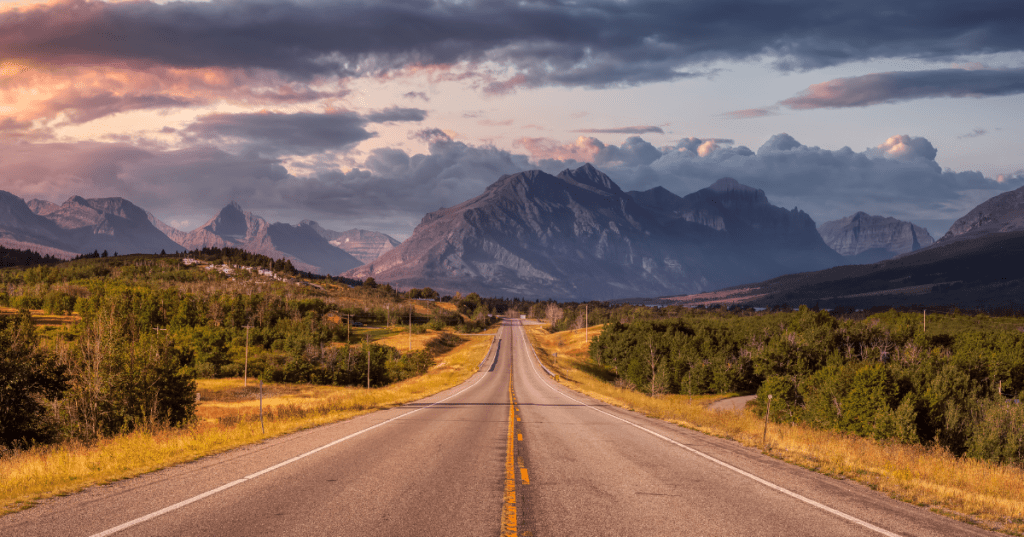
15 Hidden American Towns Most Road-Trippers Never Find
The roads less traveled lead somewhere worth finding.
Every summer, millions of Americans pile into their cars, pull up the same GPS-approved routes, and end up at the same crowded national parks, the same Instagram-famous diners, and the same strip of motels indistinguishable from every other stretch of highway in the country. There is nothing wrong with that kind of road trip. But there is something missing from it — the electric feeling of discovery, the sense that you have stumbled onto something the rest of the world doesn’t quite know about yet.
That feeling lives in the margins of America. It lives in the towns with populations under five thousand, in the ones that peaked during a gold rush or a railroad boom and then went wonderfully, stubbornly still. These are places where the diner still serves pie made that morning, where the locals will actually talk to you, and where your phone loses signal just long enough for you to remember what traveling used to feel like. Here are fifteen of them.
The Towns That Time Preserved
Marfa, Texas has become slightly more known in recent years thanks to the art world, but compared to the crowds of Austin or Big Bend’s main entrances, it remains breathtakingly quiet. This tiny desert town of roughly 1,900 people (U.S. Census Bureau, 2022 estimate) hosts a world-class contemporary art foundation, mysterious glowing orbs on the horizon known as the Marfa Lights, and a sublime emptiness that rewires your nervous system.
Eureka Springs, Arkansas is built entirely on a steep Ozark hillside, meaning no two streets ever intersect at a right angle. The entire downtown is on the National Register of Historic Places. (National Park Service, Historic District Records) It draws artists, eccentrics, and travelers who sense — correctly — that something genuinely unusual is happening here.
Taos, New Mexico‘s lesser-known neighbor, Cimarron, once served as a stop on the Santa Fe Trail and hosted legends including Buffalo Bill and Kit Carson at the St. James Hotel, which still stands and still allegedly hosts a ghost or two. The bullet holes in the tin ceiling of the saloon are very much real. (New Mexico Tourism Department)
Leavenworth, Washington — not the prison town in Kansas but a tiny Cascade Mountain village — reinvented itself in the 1960s as a Bavarian-themed alpine hamlet to save its failing economy. The gamble worked so completely that the entire town feels transported from the Alps. (Washington State Tourism Office) It remains largely undiscovered by travelers who don’t already live in the Pacific Northwest.
Lewisburg, West Virginia has been voted one of America’s coolest small towns by multiple travel publications, yet somehow stays off most travelers’ radar. The Carnegie Hall here — yes, a Carnegie Hall — hosts live performances year-round in a restored 1902 building. (Carnegie Hall of Lewisburg, official records)
🗺️ Hidden America by the Numbers
Sources: U.S. Census Bureau; American Road Trip Association Survey 2023; U.S. Travel Association Economic Impact Report
Towns That Wore Their Weirdness Well
Cassadaga, Florida is a spiritualist camp community dating to 1894 that operates to this day. More than half the residents are practicing mediums and healers. (Cassadaga Spiritualist Camp, historical records) For the skeptic and the believer alike, there is nowhere else quite like it in the hemisphere.
Picher, Oklahoma is a ghost town that the federal government tried to buy out entirely after a century of lead and zinc mining left the ground dangerously contaminated. Most residents accepted buyouts, but a handful refused, making it one of the most haunting and human-interest-rich stops in the entire central United States. (EPA Tar Creek Superfund Site Documentation)
Silt, Colorado sits in the Garfield County stretch of I-70 corridor and is easy to miss completely — which would be a mistake. It offers direct access to some of the best fly-fishing rivers in the Rocky Mountain West, a remarkably preserved downtown, and almost none of the crowds that clog nearby Aspen or Vail. (Colorado Tourism Office, regional guides)
Bath, Maine — not to be confused with the British city — is the self-described “City of Ships” and has been building naval vessels since colonial times. The Maine Maritime Museum here contains seven acres of history and a working boatyard. (Maine Maritime Museum, official records) Most travelers blow past it on the way to Bar Harbor, never realizing what they’ve missed.
The Full List at a Glance
| # | Town | State | Known For | Best Season |
|---|---|---|---|---|
| 1 | Marfa | Texas | Desert art, mystery lights | Fall |
| 2 | Eureka Springs | Arkansas | Victorian architecture, arts | Spring |
| 3 | Cimarron | New Mexico | Wild West history, St. James Hotel | Summer |
| 4 | Leavenworth | Washington | Bavarian village, alpine scenery | Winter |
| 5 | Lewisburg | West Virginia | Carnegie Hall, “`html antique shops |
Spring |
| 6 | Bisbee | Arizona | Mining history, bohemian arts scene | Fall |
| 7 | Galena | Illinois | Ulysses S. Grant home, Victorian architecture | Fall |
| 8 | Taos | New Mexico | Pueblo culture, world-class skiing | Winter/Spring |
| 9 | Beaufort | South Carolina | Antebellum mansions, Gullah culture | Spring |
| 10 | Marfa | Texas | Mystery lights, minimalist art installations | Fall |
| 11 | Rockland | Maine | Windjammer sailing, lobster shacks | Summer |
| 12 | Madison | Indiana | Ohio River bluffs, historic district | Spring |
| 13 | Walla Walla | Washington | Wine country, frontier history | Summer/Fall |
| 14 | Natchitoches | Louisiana | Oldest settlement in Louisiana Purchase, Creole cuisine | Winter |
| 15 | Ouray | Colorado | Hot springs, ice climbing capital of North America | Winter/Summer |
Bisbee, Arizona
“The most underrated arts town in the American Southwest — bar none.”
Clinging to the copper-rich Mule Mountains just eight miles from the Mexican border, Bisbee defies every expectation. What started as a rough-and-tumble mining camp in the 1880s evolved into one of the most surprisingly cosmopolitan small towns in America. Today, Victorian-era storefronts painted in jewel tones line streets so steep that staircases double as public sidewalks. Artists, writers, and free spirits discovered the place decades ago, and the creative energy they brought has never really left.
The Queen Mine Tour lets you don a miner’s helmet and descend into the actual tunnels where workers extracted billions of dollars’ worth of copper, gold, and silver. Up on the surface, the Bisbee 1000 — a stair climb race held each October — reveals just how dramatically the town climbs its canyon walls. On a quieter afternoon, wander Brewery Gulch, once so notorious for saloons that it made Tombstone look tame, and stop into the Bisbee Grand Hotel for a slice of the town’s layered, wonderfully weird history.
Galena, Illinois
“A perfectly preserved 19th-century river town hiding in plain sight between Chicago and Dubuque.”
Tucked into the rolling driftless hills of northwestern Illinois, Galena once rivaled Chicago in economic importance. Lead mining made it rich; the Civil War froze it in amber. Today, more than 85 percent of the town’s buildings are listed on the National Register of Historic Places — a density of historic architecture almost unmatched anywhere in the Midwest. Red-brick storefronts, gas lamp-style streetlights, and horse-drawn carriage rides through Main Street create the uncanny sensation of stepping directly into 1875.
💬 Frequently Asked Questions

You Might Also Like

The Oldest Mineral Springs Resort in North America Sits 50 Miles From Santa Fe — and Most Americans Drive Past It
What would it mean to soak in the same water that Pueblo peoples, Spanish settlers,…
Nebraska Has a Town of One Person — She Runs the Bar, Signs Her Own Liquor License, and Has Done It for Two Decades
In 1930, the town of Monowi, Nebraska counted roughly 150 residents on its census rolls.…
Kentucky’s Oldest Business Is Not a Distillery or a Coal Mine — It’s a Free River Ferry Dating to 1780
The Valley View Ferry on KY Route 169 has operated since 1780, making it Kentucky's…
Leave a Reply