
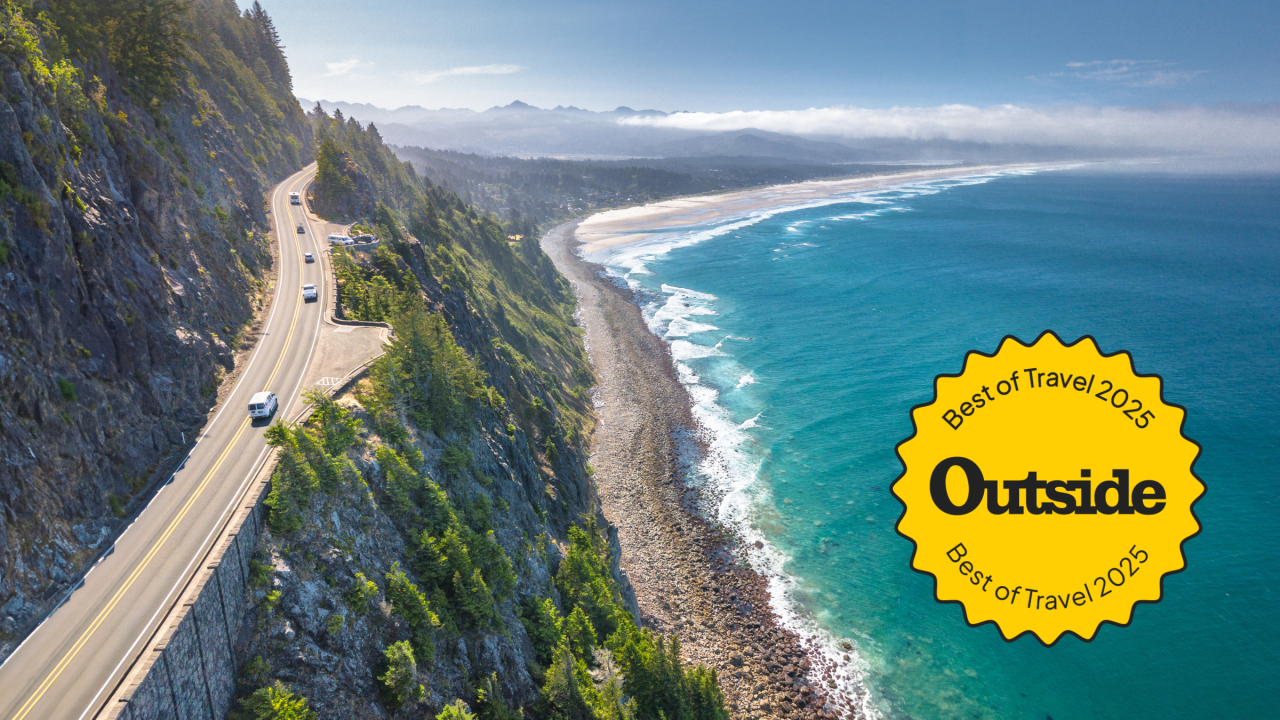
Marcus Webb pulled over on a gravel shoulder outside Fayetteville, West Virginia — population 2,900 — and stood at the rim of a 1,000-foot gorge that most Americans have never heard of. He’d driven past three Yellowstone billboards on the interstate and still almost missed the turn.
That moment captures everything wrong — and fixable — about how Americans plan road trips. The most crowded parks absorb all the oxygen. The genuinely extraordinary places sit quietly, waiting. This guide corrects that. Every destination below is real, reachable, and worth every mile of the drive.
America’s most underrated destinations sit within a day’s drive of major metros — yet charge a fraction of the cost. New River Gorge, Jim Thorpe, Great Basin, and Big Bend each offer world-class scenery with uncrowded trails, affordable lodging under $150/night, and no reservation lottery required. The only thing they lack is the hype.
New River Gorge & the Appalachian Surprise Nobody Warned You About
Read more: 8 Most Underrated U.S. Road Trip Destinations for 2026
New River Gorge National Park & Preserve in Fayette County, West Virginia became America’s newest national park in . It covers roughly 70,000 acres of ancient gorge — the New River is actually one of the oldest rivers on Earth.
Lodging in nearby Fayetteville runs $89–$145/night at places like the Fayetteville Inn. Compare that to $350+/night near Zion. The famous Bridge Day Festival in October draws whitewater kayakers and BASE jumpers to the 876-foot New River Gorge Bridge — the longest single-arch steel span in the Western Hemisphere.
The drive from Washington, D.C. is 4.5 hours. From Columbus, Ohio, it’s 3 hours. There is genuinely no excuse not to go.
Jim Thorpe, Pennsylvania: The Town That Rewired Itself as a Destination
Jim Thorpe, Pennsylvania sits in Carbon County, population about 4,800. It’s named after the legendary Sac and Fox athlete. The Victorian architecture is absurdly intact — no theme park recreation, just original 1880s streetscapes preserved by geography and poverty.
The Lehigh Gorge State Park runs directly through town. 46 miles of rail-trail follow the Lehigh River. You can rent a bike for $35 and ride through a limestone canyon that rivals anything in the Rockies — minus the altitude sickness.
Hotel Josie, a restored boutique property on Broadway Street, charges around $129–$179/night. Philadelphia is 90 minutes away. Running like Rocky up those museum steps and refueling with a cheesesteak is mandatory before or after — but Jim Thorpe is the overnight worth making.
“Underrated” is becoming its own marketing trap. Travel + Leisure and similar outlets have repeatedly flagged “hidden gems” across California until towns like Joshua Tree and Marfa became as crowded as the places they were alternatives to. Baxter State Park in Maine deliberately limits daily vehicle permits to 90 per gate to prevent this exact outcome. The lesson: go before the algorithm finds these places, and leave them better than you found them.
Great Basin National Park and Baxter State Park: Two Parks That Protect Their Silence
Great Basin National Park in White Pine County, Nevada was established in . It receives fewer than 130,000 visitors per year — Yellowstone gets that in a single week. Baker, Nevada, the nearest town, has a permanent population of approximately 68 people.
The park contains Wheeler Peak at 13,063 feet, ancient bristlecone pine trees over 4,000 years old, and Lehman Caves — a marble cavern system of rare complexity. Cave tours run $10–$16 per adult. The drive from Las Vegas is exactly 5 hours on US-93 and US-50, the so-called “Loneliest Road in America.”
Baxter State Park in Piscataquis County, Maine covers 209,501 acres and was donated entirely to the state by former Governor Percival Baxter beginning in . It is governed by its own authority, independent of Maine’s park system. The terminal summit of the Appalachian Trail — Mount Katahdin at 5,269 feet — sits inside it.
Day-use vehicle fees run $15 for non-residents. Campsite reservations at Chimney Pond cost $10–$30/night. Millinocket, the gateway town at 4,000 residents, offers motels from $79/night — about what parking costs overnight in Boston.
Big Bend, the Catskills, Flagstaff, and the Black Hills: A Closer Look at Four Overlooked Icons
Big Bend National Park in Brewster County, Texas contains 801,163 acres along the Rio Grande. It’s farther from a major airport than almost any national park in the lower 48 — 240 miles from Midland, the nearest commercial airport. That distance is the filter. The people who make the drive find empty backcountry trails, hot springs at the river’s edge, and darkness so complete the Milky Way is visible from camp. Lodging at the Chisos Mountains Lodge inside the park runs $165–$196/night.
The Catskills in Greene and Ulster Counties, New York sit 2 hours from Manhattan and still feel genuinely rural. Woodstock, population 5,900, anchors the cultural scene. Smaller towns like Narrowsburg and Livingston Manor have developed real restaurant infrastructure in the last decade. Spring break road trips through the Northeast consistently overlook this corridor in favor of coastal drives. Don’t.
Flagstaff, Arizona — Coconino County, population ~76,000, elevation 6,910 feet — is the town everyone drives through en route to the Grand Canyon. It deserves two nights, not two hours. The Museum of Northern Arizona dates to . Lowell Observatory, where Pluto was discovered in , offers evening telescope sessions for $16/adult. Historic Route 66 runs straight through downtown. Airbnbs near Heritage Square average $95–$145/night.
Black Hills National Forest in the western South Dakota Pennington and Lawrence Counties covers 1.2 million acres. Most visitors rush to Mount Rushmore and leave. The Needles Highway — 14 miles
of pine-covered ridges, granite spires, and cold clear creeks. Most visitors beeline for Mount Rushmore and leave. That’s a mistake. Deadwood, Lawrence County — population ~1,270, founded — offers restored Victorian saloons, a genuinely gripping history museum, and legal gambling since . Custer State Park, just 40 miles south, hosts a free-roaming bison herd of roughly 1,300 animals. Camping runs $23–$38/night. The Needles Highway scenic loop is one of the most dramatic drives in America — and most people have never heard of it.
The South’s Secret Corners
Read more: 8 Ghost Towns Worth the Detour — Bannack Leads at 4.8 Stars
Natchitoches, Louisiana — pronounced NAK-uh-tish — is the oldest permanent European settlement in the Louisiana Purchase territory, founded by French colonists. Natchitoches Parish population today: ~39,000. The 33-block historic district along Cane River Lake is a genuine UNESCO-worthy streetscape that somehow draws a fraction of New Orleans’ crowds. A full weekend here — two nights at the Lasyone’s Meat Pie Kitchen area B&Bs — costs under $280 total. The Cane River Creole National Historical Park is free admission. Film buffs will recognize it as the filming location for Steel Magnolias ().
Apalachicola, Florida sits at the end of a two-lane road in Franklin County, population ~2,300. It is, pound for pound, one of the most rewarding small towns on the Gulf Coast. The Apalachicola National Estuarine Research Reserve protects 246,000 acres of tidal marsh and old-growth forest. Oyster bars here serve bivalves pulled that morning for $12–$18 a dozen. The Gibson Inn, a restored 1907 Victorian hotel, charges $110–$175/night. St. George Island State Park is a nine-mile barrier island beach with almost no development. Park entry: $6/vehicle.
Cheaha State Park in Clay and Cleburne Counties, Alabama crowns the state’s highest point at 2,413 feet. The surrounding Talladega National Forest covers 393,000 acres. The Pinhoti Trail — 172 miles of ridgeline hiking — starts here. Cabins at the park run $85–$130/night. Birmingham is only 62 miles southwest. Almost no one outside Alabama’s hiking community knows this place exists.
Pacific Northwest Beyond Portland
Walla Walla, Washington — Walla Walla County, population ~34,000 — has quietly become one of America’s most serious wine regions. Over 120 wineries operate within the appellation. Tasting fees average $10–$20 per flight. Downtown Marcus Whitman Hotel rooms start at $149/night. The Whitman Mission National Historic Site, site of the Whitman massacre, offers sobering and essential context for Oregon Trail history. Admission is $7/adult. The town is 160 miles southeast of Yakima and worlds away from the tourist circuit.
Joseph, Oregon sits at the foot of the Wallowa Mountains in Wallowa County — population of the entire county: ~7,200. This is Chief Joseph’s ancestral homeland. The Wallowa Lake Tramway climbs 3,700 vertical feet to 8,150-foot Mount Howard for $38/adult. Eagle Cap Wilderness, accessible by horse or boot, contains 361,446 roadless acres. A two-night stay at Wallowa Lake Lodge — built — runs $165–$220/night. The drive from Portland takes 5.5 hours, and every mile of it earns its keep.
Great Lakes Hidden Gems
Pictured Rocks National Lakeshore in Alger County, Michigan stretches 42 miles along Lake Superior’s southern shore. The multicolored sandstone cliffs rise up to 200 feet directly from freshwater. The nearest town, Munising (population ~2,300), offers boat tours for $40/adult from late May through October. The park itself is free to enter. Average overnight temps in July drop to 48°F — pack accordingly. Campsite reservations at Twelvemile Beach run $23/night through recreation.gov.
Galena, Illinois — Jo Daviess County, population ~3,200 — sits where Illinois, Wisconsin, and Iowa meet. Ulysses S. Grant lived here before the Civil War. His preserved home is open daily; admission is $5/adult. The town was once the largest lead-mining hub in North America, founded as a commercial port in . Main Street’s Federal-style brick storefronts are architecturally intact. Wine country inns charge $100–$180/night on weekends. Chicago is only 165 miles east — yet Galena draws a fraction of the weekend traffic it deserves.
How to Plan Your Off-Map Trip
The destinations above share one trait: infrastructure that rewards the prepared traveler. Gas stations thin out. Cell service drops. Restaurants close early. Arrive with downloaded offline maps from nps.gov, a full tank, and reservations confirmed. Shoulder season — May and September — offers 20–40% lower rates and dramatically thinner crowds at almost every location listed here. The payoff is direct access to landscapes and towns that still feel genuinely discovered.


Leave a Reply