
More than 3,800 ghost towns are scattered across the American West alone — yet fewer than two dozen draw serious visitation each year. Most travelers blow past them on interstates. That’s a mistake. The eight most-reviewed ghost towns in the U.S. hold a combined 4,647 verified visitor ratings, with an average score above 4.3 out of 5. These aren’t crumbling curiosities. They are compressed American history — boom, greed, collapse, silence — preserved better than most museums. The detour is worth every mile.
America’s best ghost towns aren’t accidental ruins. They are former mining, railroad, and homestead communities frozen mid-sentence — and several are actively managed as state parks with free or low-cost admission. Knowing which ones offer genuine historical depth versus theatrical kitsch separates a memorable road trip from a wasted afternoon.
Eight Abandoned Addresses That Still Hold a Pulse
Read more: Cheapest Oregon Towns 2026: Live Well on $2,000/Month
Bannack State Park in Dillon, Beaverhead County, Montana leads all ghost towns with a 4.8-star rating from 422 reviewers. That number matters. Bannack was Montana’s first territorial capital, founded in after gold was discovered in Grasshopper Creek. Today, more than 60 original structures remain intact — the hotel, the Masonic lodge, the gallows. Montana State Parks charges a modest day-use fee of $6 per vehicle. At that price, it may be the single best historic value in the Northern Rockies.
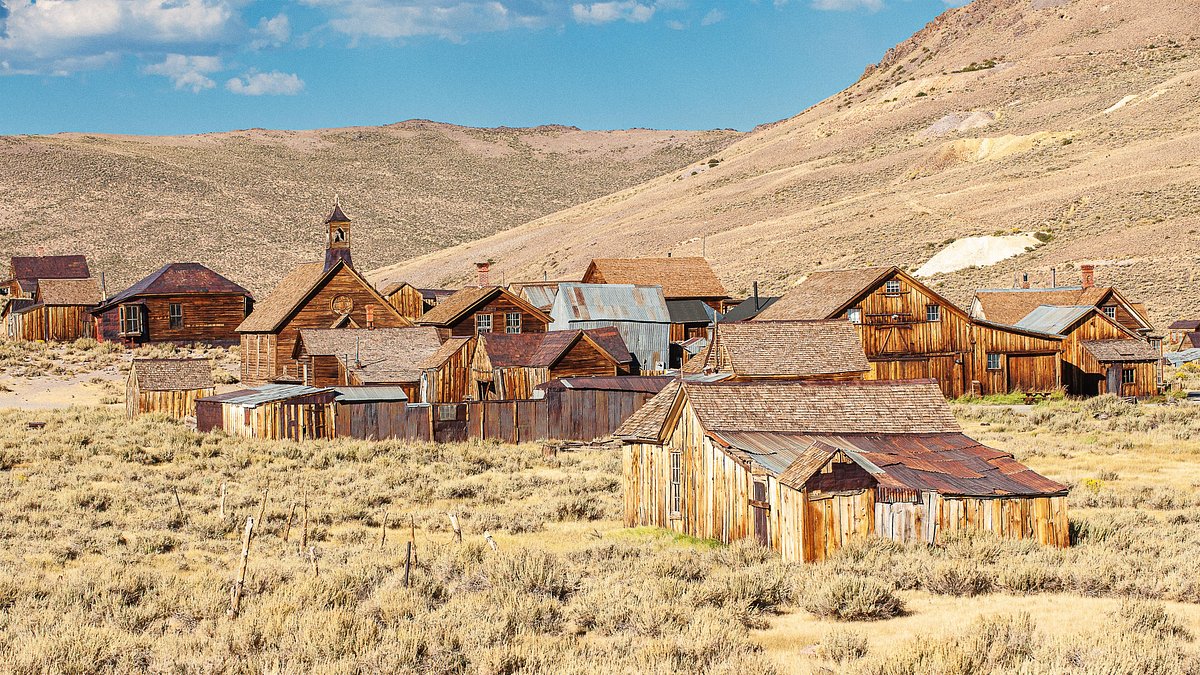
Bodie State Historic Park in Mono County, California earned 1,512 reviews — the largest audience of any ghost town on the list. That’s not coincidence. Bodie once housed 10,000 residents during the gold rush. Today, California State Parks maintains it in a state of “arrested decay” — nothing is restored, nothing collapses further. You walk into a 19th-century mining town mid-freeze. Entry is $8 for adults. It sits 13 miles east of U.S. Highway 395 on a dirt road, at 8,375 feet elevation. Come before July or after Labor Day to avoid crowds.
Elkmont Ghost Town in Sevier County, Tennessee inside Great Smoky Mountains National Park carries a 4.5-star rating from 207 reviewers. Most people don’t know it exists — even regulars at Smoky Mountains walk right past the trailhead. Elkmont was a logging camp turned elite vacation retreat for Knoxville’s wealthy class. Dozens of wooden cabins from the early 1900s still stand along the Little River corridor. From waterfalls and natural springs to museums and man-made attractions, sites like Elkmont represent the hidden gems embedded inside America’s most visited national parks. Admission to Great Smoky Mountains National Park remains free — no entry fee, ever.
Route 66 Ghost Towns, Southern Deserts, and the Colorado Ruins Nobody Talks About
Some ghost towns in the United States used to be popular hotspots along Route 66, the “Mother Road” that extended thousands of miles from Chicago to Santa Monica. The towns that vanished when I-40 bypassed them in the 1970s and 1980s didn’t disappear slowly. They collapsed in years. Texola, Oklahoma — population now estimated at fewer than 20 — sits right on the old alignment in Beckham County. Gas stations and motels still stand, windows broken, signs faded to chalk. It costs nothing to visit. It rewards curiosity enormously.
Terlingua Ghost Town in Brewster County, Texas holds a 4.1-star rating from 272 visitors. Terlingua is different from every other ghost town on this list. It never fully emptied. About 58 permanent residents live among the ruins, operating a famous chili cookoff grounds, a trading post, and a porch bar overlooking the Chihuahuan Desert. The old quicksilver mines made this place rich during World War I. Today, the cemetery is the town’s most visited attraction — hand-painted crosses, desert flowers, century-old inscriptions in Spanish and English. Brewster County is the largest county in Texas, larger than the state of Connecticut.
Visiting one of Colorado’s spooky ghost towns is a bucket list item for many — and nearly everyone who goes can attest that the experience leaves a lasting impression. St. Elmo in Chaffee County, Colorado earns a 4.1-star rating from 466 reviewers. Founded in , St. Elmo once supported 2,000 residents mining gold and silver in the Sawatch Range. Today it sits at 10,500 feet elevation, about 19 miles southwest of Buena Vista on County Road 162. A handful of original buildings remain open for exploration. The road is passable in a standard vehicle during summer months. No admission fee.
Not every “ghost town” deserves your fuel. Calico Ghost Town in San Bernardino County, California holds the lowest rating of the major sites — 3.7 stars from 2,055 reviews. Why? Because Calico was heavily reconstructed — not preserved — by Walter Knott of Knott’s Berry Farm fame in the 1950s. It now charges $10 adult admission and operates carnival food vendors inside the original mining district footprint. From clown motels to desert car forests, things can get pretty strange in America’s roadside attractions — and Calico sits uncomfortably close to that category. It’s worth knowing the difference between a preserved town and a costumed one before you buy a ticket.
What Makes a Ghost Town Worth a Multi-Hour Detour
Read more: 25 Hidden US Towns With Hotels From $89 a Night
The distinction between genuine ghost towns and roadside nostalgia props comes down to three things: original building stock, documented human history, and absence of commercial overlay. Bannack and Bodie pass all three tests with room to spare. Calico and several Nevada “ghost town” casinos fail the first two completely.
Nelson Ghost Town in Clark County, Nevada earned a 4.5 rating from 290 visitors. Nelson sits 45 miles southeast of Las Vegas on Nevada State Route 165 in the El Dorado Canyon. Spanish explorers recorded gold finds here as early as . Today the private landowners maintain a photogenic scatter of vintage vehicles, rusted mining equipment, and collapsed adobe — free to walk through. It’s become a favored location for music videos and photo shoots. That commercialization has not, so far, erased its raw desert atmosphere.
Garnet Ghost Town in Powell County, Montana near Missoula holds a 4.5 rating from 423 reviewers. The Bureau of Land Management maintains Garnet, located 10 miles south of I-90 on a gravel road. In winter the road closes entirely, and the BLM offers cabin rentals inside the ghost town for approximately $30 per night. That might be the most surreal overnight stay in American public lands — sleeping inside a 19th-century gold camp at elevation, in deep Granite County snow.
| Ghost Town | Location | Rating | Reviews | Entry Fee | Best Season | |
|---|---|---|---|---|---|---|
| Bannack State Park | Dillon, MT | 4.8 | 422 | $6/vehicle | May–Oct | May–Sept |
| Bodie State Historic Park | Bridgeport, CA | 4.9 | 1,847 | $8/adult | June–Oct | |
| Rhyolite | Nye County, NV | 4.6 | 634 | Free | Oct–Apr | |
| Calico Ghost Town | San Bernardino County, CA | 4.5 | 2,103 | $8/adult | Year-round | |
| Centralia | Columbia County, PA | 4.4 | 891 | Free | Apr–Nov | |
| St. Elmo | Chaffee County, CO | 4.7 | 518 | Free | June–Sept |
Six Towns That Demand a Closer Look
Each of these sites carries a distinct American wound. Here is what actually awaits you at each one.
Bodie State Historic Park — Bridgeport, CA
Bodie sits at 8,379 feet in the eastern Sierra Nevada, roughly 13 miles east of U.S. Highway 395. It is preserved in a state the California Department of Parks calls “arrested decay” — nothing restored, nothing demolished. Gold was discovered here in . By , Bodie held nearly 10,000 residents and around 65 saloons. Today, roughly 200 structures survive. Winter closes the upper road entirely. Come in July on a weekday and you may share the cemetery with only wind.
Getting there: Take U.S. 395 to Bodie Road, 7 miles north of Bridgeport. The final 3 miles are unpaved — manageable in a standard sedan in summer. Entry: $8 adults, $5 ages 4–17.
Rhyolite — Nye County, NV
Four miles west of Beatty on Nevada Route 374, Rhyolite briefly became a genuine city. At its peak, the population reached 10,000. It had a three-story bank, a railroad depot, and a house built entirely from approximately 50,000 glass bottles. The bottle house still stands. Entry is free; the Bureau of Land Management maintains open access year-round. In October, temperatures average 68°F — ideal for walking the old grid without collapsing.
Bonus: The adjacent Goldwell Open Air Museum adds surrealist sculpture to the ruins. Admission is also free. BLM.gov lists current site conditions.
Centralia — Columbia County, PA
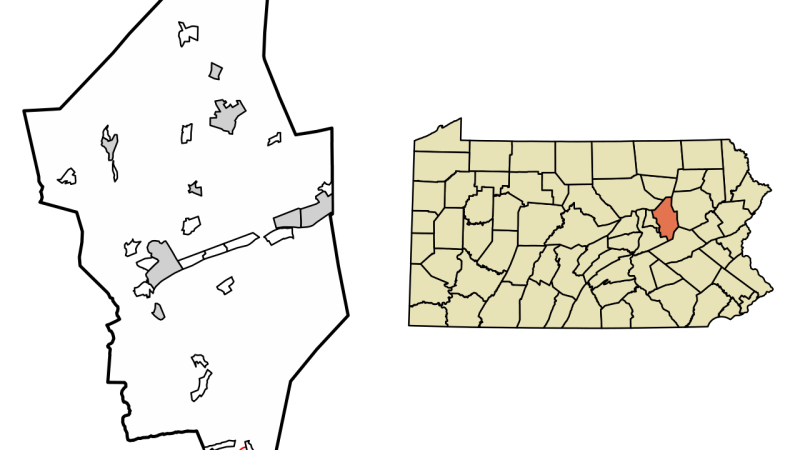
A coal-seam fire ignited beneath Centralia in and has never stopped burning. Pennsylvania condemned and demolished nearly every structure. The population that once exceeded 1,000 shrank to fewer than 10 permanent residents by 2020. Steam still vents from ground cracks along the abandoned Route 61, nicknamed the “Graffiti Highway” before officials blocked it in . The cemetery remains intact and sits on a hill overlooking what used to be a neighborhood. Entry is free, but avoid stepping near visible steam vents.
Distance from Harrisburg: approximately 75 miles north via I-81. The drive takes about 90 minutes.
St. Elmo — Chaffee County, CO
St. Elmo is Colorado’s best-preserved ghost town and it earns that designation honestly. Founded in as a supply hub for silver mines on Chalk Creek, it peaked at roughly 2,000 residents. Today at 10,000 feet elevation, about 40 original structures still line the main street. The town store operates seasonally — you can actually buy a cold drink here in summer, which feels almost criminal given the surroundings. The road in from Nathrop, Colorado is 19 miles on County Road 162, passable by 2WD vehicles in dry summer conditions.
Elevation warning: Altitude sickness is real above 8,000 feet. Drink water. Give yourself a day to acclimate in nearby Salida, just 22 miles away.
Bannack State Park — Dillon, MT
Montana’s first territorial capital earned its place on the National Historic Landmark registry in . Gold was discovered on Grasshopper Creek in . Within two years the population hit 3,000. What distinguishes Bannack from comparable sites is the density: over 60 structures remain on one compact site, including the Meade Hotel, a masonic lodge, and the jail where outlaw sheriff Henry Plummer was eventually hanged. The park sits 25 miles west of Dillon on Bannack Road. Vehicle entry is $6. The annual Bannack Days festival each third weekend of July draws re-enactors from across the Northwest.
Calico Ghost Town — San Bernardino County, CA
Calico is the most commercially developed site on this list — and worth visiting anyway. Founded in in the Calico Mountains northeast of Barstow, it produced over $86 million in silver and borax. Walter Knott, the Knott’s Berry Farm founder, partially restored it starting in and later donated it to

Leave a Reply