
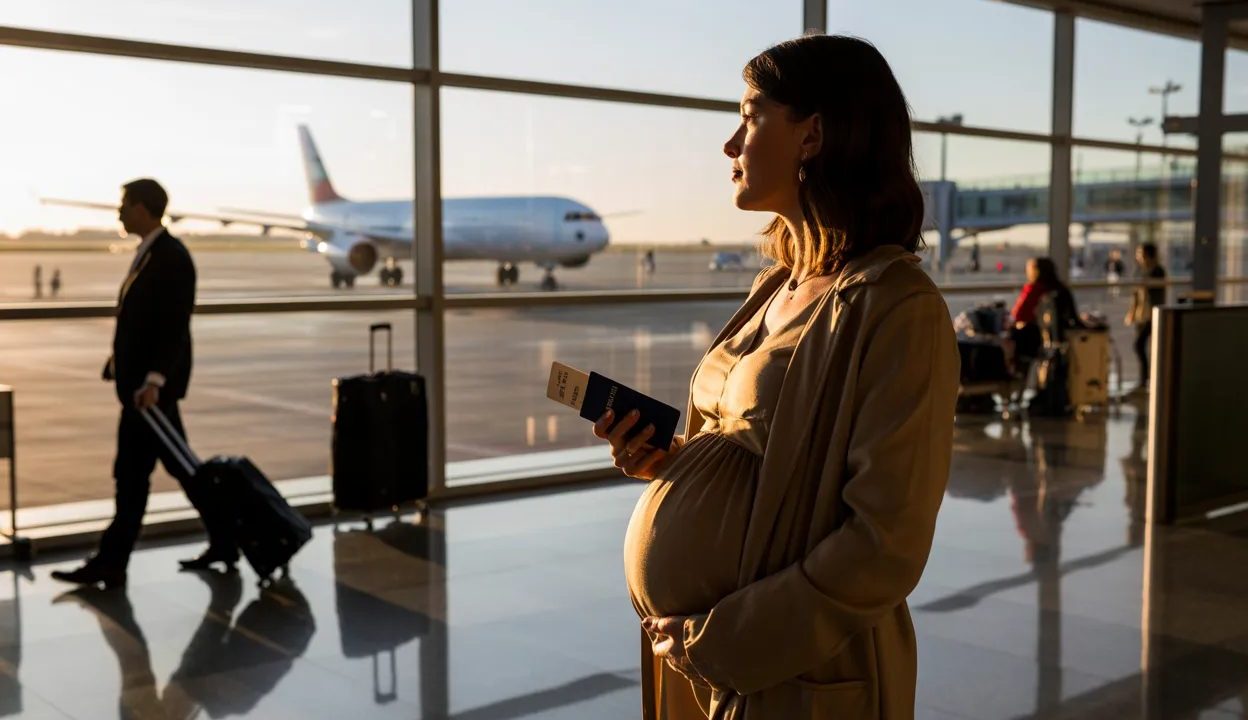
The Trump administration has launched what federal authorities describe as a sweeping nationwide crackdown on birth tourism networks — organized operations that help pregnant foreign nationals enter the United States specifically so their children can be born on American soil and automatically obtain U.S. citizenship.
The effort targets not just the individuals involved, but the infrastructure behind them: the agencies, coordinators, and facilitators who allegedly coach clients on how to misrepresent their intentions when applying for travel visas. Federal officials have characterized these networks as sophisticated fraud operations that exploit a constitutional provision — birthright citizenship — for commercial gain.
For anyone who travels internationally, holds a U.S. visa, or works in the travel industry, this escalation signals a meaningful shift in how American immigration authorities are scrutinizing visitor intent at every stage of the process.
What Birth Tourism Actually Is — and Why the Government Is Moving Now
Birth tourism refers to the practice of traveling to the United States while pregnant with the primary intention of giving birth there, ensuring the child receives automatic U.S. citizenship under the Fourteenth Amendment. It is not a new phenomenon, but the scale and organization of the networks facilitating it have drawn increasing federal scrutiny.
These operations typically involve third-party agencies that charge substantial fees to arrange travel, housing, and medical care for foreign nationals. Clients are often advised on how to answer questions at consular interviews and ports of entry to avoid raising red flags about their true intentions — which is where visa fraud enters the picture.
The Trump administration has framed the crackdown as part of a broader effort to enforce immigration law and protect the integrity of the U.S. visa system. Officials have indicated that an internal directive was issued to intensify enforcement activity, with U.S. Immigration and Customs Enforcement playing a central role in the operations.
The Key Elements of the Crackdown
Based on what federal authorities have described, the enforcement push has several distinct components working in parallel:
- Targeting organized networks: The focus is not solely on individual travelers but on the coordinators, agencies, and facilitators who run birth tourism as a commercial enterprise.
- Visa fraud investigations: Authorities are examining cases where applicants allegedly misrepresented their purpose of travel on visa applications — a federal offense that can result in permanent inadmissibility.
- Illegal entry schemes: Some enforcement activity reportedly targets individuals who entered the country without authorization as part of coordinated birth tourism arrangements.
- ICE-led operations: U.S. Immigration and Customs Enforcement has been identified as a primary enforcement arm in the nationwide operation.
- Internal directives: Federal authorities have confirmed that internal guidance was issued to intensify this specific area of enforcement.
| Enforcement Focus | What It Targets | Potential Legal Consequence |
|---|---|---|
| Visa Fraud | Misrepresentation of travel intent on visa applications | Federal charges, permanent inadmissibility |
| Organized Networks | Agencies and coordinators facilitating birth tourism | Criminal prosecution for facilitators |
| Illegal Entry | Unauthorized entry as part of birth tourism arrangements | Deportation, future visa bans |
| ICE Operations | Nationwide enforcement targeting all elements of the scheme | Arrest, detention, removal proceedings |
Who Gets Affected — and How Broadly This Reaches
The most direct impact falls on foreign nationals who have used or are currently using birth tourism services, as well as the businesses and individuals who operate them. For those already in the United States through such arrangements, the risk of detention and removal proceedings has risen sharply.
But the ripple effects extend further. Pregnant women traveling to the U.S. for entirely legitimate reasons — visiting family, receiving specialized medical care, attending professional events — may now face heightened scrutiny at consular offices and ports of entry. Visa officers have broad discretion to question intent, and an enforcement climate focused on birth tourism means that scrutiny is likely to increase across the board.
The travel industry is also watching closely. Tour operators, accommodation providers, and medical facilities that have historically served this market face potential legal exposure if authorities determine they knowingly participated in or enabled fraudulent visa applications.
For U.S. citizens and residents, the enforcement push reflects a larger policy debate about birthright citizenship itself — a constitutional issue the administration has sought to revisit through executive action, though legal challenges to such efforts remain active.
What Comes Next in This Enforcement Push
Federal authorities have signaled that this is not a short-term operation. The internal directive that launched the crackdown suggests a sustained, institutionalized enforcement priority rather than a one-time sweep.
Investigations into existing networks are likely ongoing, meaning arrests and prosecutions could continue to emerge over the coming months. Consular officers abroad have presumably been briefed to apply greater scrutiny to visa applications from pregnant applicants or those who may be in the later stages of pregnancy at the time of travel.
The broader legal and constitutional questions surrounding birthright citizenship remain unresolved. Any executive or legislative effort to redefine who qualifies for automatic citizenship at birth would face significant court challenges — and those proceedings would unfold separately from the criminal enforcement actions currently underway.
For now, the administration’s message is clear: the networks that have operated in this space are being actively dismantled, and anyone connected to them — traveler, facilitator, or coordinator — is within the scope of federal enforcement.
Frequently Asked Questions
What is birth tourism?
Birth tourism refers to traveling to the United States while pregnant with the primary goal of giving birth there, so the child automatically receives U.S. citizenship under the Fourteenth Amendment.
Is birth tourism illegal?
Giving birth in the U.S. is not itself illegal, but misrepresenting the purpose of travel on a visa application — a common element of organized birth tourism schemes — constitutes visa fraud, which is a federal offense.
Which federal agency is leading the crackdown?
U.S. Immigration and Customs Enforcement has been identified as the primary enforcement arm in the nationwide operation targeting birth tourism networks.
Who is being targeted — travelers or organizers?
Authorities have indicated the enforcement push targets both individuals who used these services and the organized networks, agencies, and facilitators who ran birth tourism as a commercial operation.
Could legitimate pregnant travelers be affected?
Pregnant women traveling to the U.S. for lawful reasons may face increased scrutiny at consular offices and ports of entry given the heightened enforcement climate, though the stated focus is on fraudulent intent.
Is birthright citizenship itself being changed?
The constitutional status of birthright citizenship remains unresolved and subject to ongoing legal challenges; the current enforcement operation focuses on visa fraud and illegal entry rather than directly altering citizenship law.




Leave a Reply