
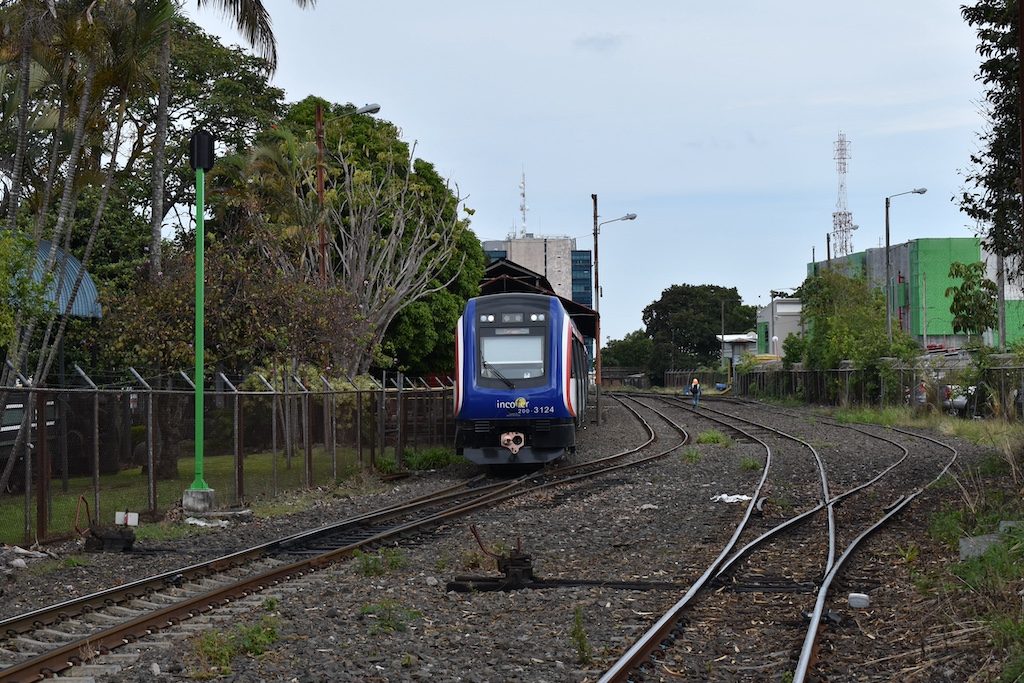
A direct rail link between Panama and Costa Rica — two of Central America’s most visited and economically dynamic nations — is moving from concept into serious discussion, and the implications for regional travel could be significant. The proposed railway would give passengers a smoother, more predictable alternative to the long road journeys that currently define cross-border travel in this part of the world.
Right now, moving between Panama and Costa Rica means hours on busy highways shared with freight trucks and long-distance buses. The rail proposal aims to change that fundamentally — not just for tourists, but for the broader flow of people and goods across the region.
It’s being described as one of the most ambitious transport ideas Central America has seen in years, and the potential ripple effects on tourism, trade, and regional integration are already drawing attention from planners and travellers alike.
What the Panama-Costa Rica Railway Project Actually Proposes
At its core, the project envisions a direct rail connection between Panama and Costa Rica — two neighbouring countries that currently have no passenger rail link between them. The focus is on improving travel speed, comfort, and regional access in a corridor that sees significant movement of both people and freight.
Road networks in this part of Central America are regularly stretched by the volume of long-distance buses and heavy freight trucks. A dedicated rail route would take meaningful pressure off those roads while offering travellers a genuinely different kind of journey — one with more predictability and less fatigue.
Beyond passenger convenience, the project is being framed as a long-term strategy for economic integration. Easier movement between the two countries could strengthen trade ties, encourage investment, and make the broader region more attractive to international visitors who might otherwise skip one country in favour of the other.
Why Tourism Stands to Benefit the Most
Tourism is expected to be among the clearest beneficiaries if the railway moves forward. Both Panama and Costa Rica are established destinations in their own right — Panama City draws visitors for its canal, its skyline, and its position as a hub for international travel, while Costa Rica has built a global reputation around its biodiversity, national parks, and eco-tourism sector.
At the moment, many travellers choose one or the other. A reliable rail connection could change that calculation, making a combined itinerary far more practical. Instead of committing to a long bus ride or an additional flight, visitors could move between the two countries on a single rail journey — opening up new tourism circuits that currently don’t exist in any convenient form.
- Reduced travel time between the two countries compared to road journeys
- More comfortable and predictable cross-border travel for tourists
- Potential for combined Panama-Costa Rica travel itineraries
- Reduced congestion on shared road networks used by freight and passenger vehicles
- Stronger economic integration and tourism flow between both nations
| Current Travel Method | Key Challenges | Proposed Rail Advantage |
|---|---|---|
| Long-distance road buses | Lengthy journey times, road congestion, fatigue | Faster, smoother, more predictable travel |
| Freight trucks on shared highways | Pressure on road infrastructure | Dedicated rail reduces road network strain |
| Domestic flights | Additional cost and logistics | Single rail journey connecting both countries |
The Real-World Impact on Travellers and the Region
For anyone who has made the overland journey between Panama and Costa Rica, the appeal of a rail alternative is easy to understand. Road travel in this corridor can be exhausting — long hours, border crossing delays, and the unpredictability that comes with shared highway infrastructure.
A functioning railway would shift that experience considerably. Passengers could expect set departure times, defined journey durations, and the kind of comfort that makes a cross-border trip feel like part of the holiday rather than an ordeal to endure before it begins.
The benefits wouldn’t stop at the border crossing. Advocates argue that easier movement between the two countries would encourage more visitors to extend their trips, spend more time in both destinations, and explore areas that are currently bypassed because the logistics of getting there are too complicated.
For local communities along the route, increased tourist traffic and improved freight movement could translate into real economic opportunities — new businesses, better-connected markets, and greater visibility for regions that don’t currently sit on major travel routes.
From a regional planning perspective, the project is also being discussed as a model for what Central American connectivity could look like more broadly. If a Panama-Costa Rica rail link proves viable, it could open conversations about extending similar infrastructure further across the isthmus.
- Long road journeys on busy highways shared with heavy freight trucks cause significant fatigue for passengers.
- Cross-border travel relies almost entirely on long-distance buses with unpredictable journey times.
- Travellers often choose one country over the other because combining both destinations is logistically difficult.
- A direct rail connection would offer smoother, faster, and more predictable cross-border travel for passengers.
- Dedicated rail infrastructure would reduce pressure on shared road networks currently strained by freight traffic.
- Combined Panama and Costa Rica itineraries would become far more practical, potentially boosting tourism in both countries.
Where the Project Goes From Here
The Panama-Costa Rica railway remains at the proposal and discussion stage. It is being examined as a long-term infrastructure strategy rather than a project with confirmed funding or an established construction timeline. Conversations are ongoing about how such a connection would be designed, financed, and operated.
Regional integration projects of this scale typically require significant coordination between governments, transport authorities, and private sector partners. The cross-border nature of this proposal adds a layer of complexity — any agreement would need to align the regulatory frameworks, investment structures, and operational standards of two separate nations.
Supporters of the project argue that the long-term returns — in tourism revenue, trade efficiency, and regional connectivity — justify the complexity involved. Whether that case proves compelling enough to move the railway from discussion into development remains to be seen.
For now, travellers and industry observers are watching closely. A project of this kind, if it reaches completion, would mark a genuine shift in how Central America thinks about cross-border mobility — and how the rest of the world thinks about visiting it.
Frequently Asked Questions
What is the Panama-Costa Rica railway project?
It is a proposed rail connection between Panama and Costa Rica designed to improve cross-border travel speed, comfort, and regional access while reducing pressure on shared road networks.
Has construction on the railway started?
This has not yet been confirmed. The project is currently at the proposal and discussion stage, with no publicly confirmed construction timeline or secured funding.
How would the railway benefit tourists?
The railway could make combined Panama and Costa Rica itineraries far more practical, replacing long and tiring road journeys with smoother, more predictable rail travel between the two countries.
Would the railway also carry freight?
The project is described as addressing the movement of both people and goods, suggesting freight transport is part of the broader vision alongside passenger services.
Which countries are involved in the project?
The proposal involves Panama and Costa Rica, two neighbouring Central American nations that currently have no direct passenger rail connection between them.
Could this lead to wider rail development across Central America?
Supporters of regional integration suggest a successful Panama-Costa Rica link could open conversations about extending similar rail infrastructure further across Central America, though no specific plans beyond this corridor have been confirmed.


Leave a Reply