
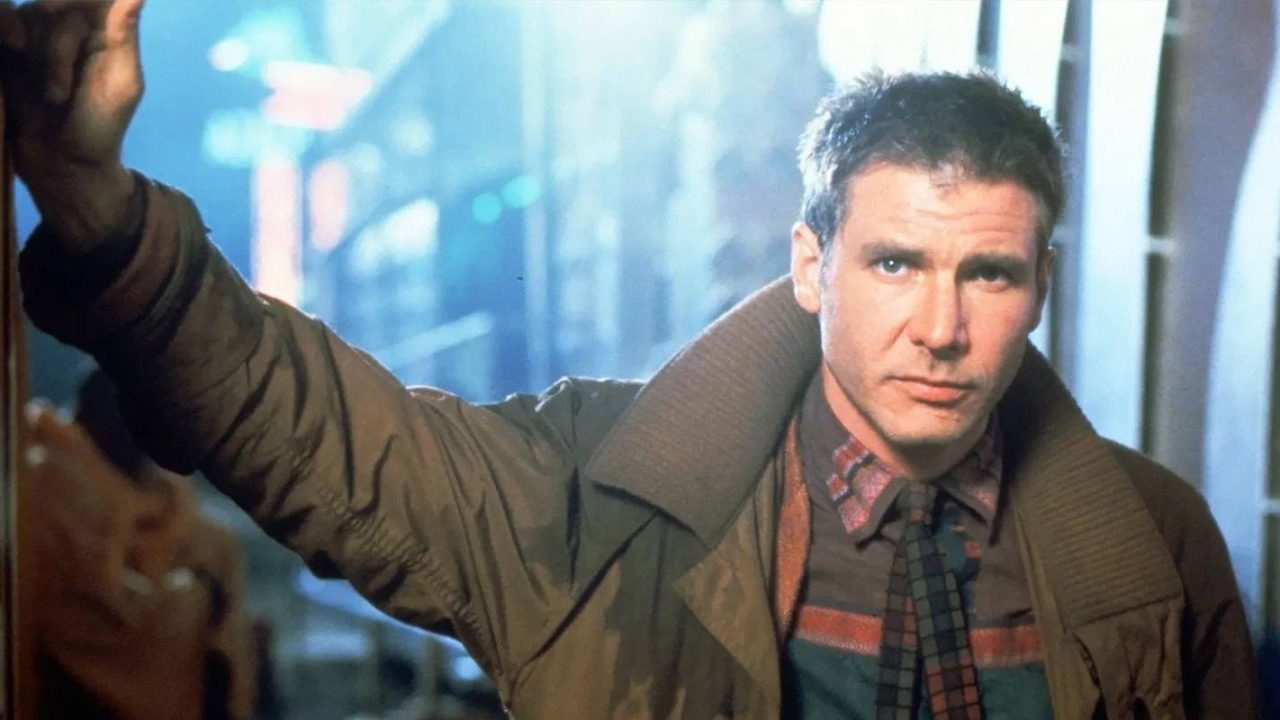
Some films feel like they were made for the moment we’re living in right now. Not because filmmakers predicted the future with perfect accuracy, but because the anxieties they captured — about technology, power, surveillance, and what it means to be human — never really went away. They just waited.
Classic science fiction has always functioned as a mirror. The best of it doesn’t just entertain; it asks uncomfortable questions that audiences often aren’t ready to answer until years, sometimes decades, later. And right now, a growing number of viewers and critics are returning to films from the genre’s golden era and finding them startlingly, almost uncomfortably, current.
The topic itself raises a genuinely interesting question: what makes a sci-fi film timeless versus simply dated? The answer, it turns out, has less to do with special effects and more to do with the ideas underneath them.
Why Classic Sci-Fi Keeps Finding New Audiences
Science fiction has always attracted writers and filmmakers who wanted to say something real about the present while disguising it as speculation about the future. Cold War paranoia fueled the alien invasion films of the 1950s. The anxieties of the nuclear age gave rise to monster movies and dystopian thrillers. Each era left behind a body of work that, at first glance, seems locked in its time — but on closer inspection, speaks directly to problems that haven’t been solved.
That’s the central appeal of revisiting these films now. Audiences living through rapid technological change, debates about artificial intelligence, concerns about government overreach, and questions about corporate power find that many of the classics were already there, working through exactly those themes — just with different costumes.
There’s also something to be said for the craft. Many of these older films relied on practical effects, strong scripts, and genuine character work precisely because they couldn’t depend on visual spectacle alone. That restraint, which once felt like a limitation, now reads as a strength.
The Themes That Make These Films Relevant Again
It’s worth being specific about what connects classic sci-fi to the present moment. Several recurring themes appear across the genre’s most celebrated older works — and nearly all of them map directly onto conversations happening right now.
- Artificial intelligence and what defines humanity: Long before AI became a daily news story, science fiction was asking whether machines could think, feel, and deserve rights — and what it would mean if they did.
- Surveillance and loss of privacy: Films exploring totalitarian control and the erosion of personal freedom feel less like cautionary tales and more like current events to many viewers today.
- Corporate power over individual lives: The idea of mega-corporations controlling governments, resources, and human destinies was a staple of classic sci-fi — and it resonates differently now than it did at release.
- Environmental collapse: Ecological disaster and resource scarcity have been sci-fi preoccupations for decades, long before climate change became a mainstream political issue.
- The ethics of scientific progress: Classic films repeatedly asked whether humanity should do something just because it technologically can — a question that feels more urgent than ever.
A Look at How These Films Age Compared to Their Era
| Theme | How It Read at Release | How It Reads Now |
|---|---|---|
| AI and machine consciousness | Speculative, distant future concern | Active ethical and legal debate |
| Mass surveillance | Dystopian fiction | Documented reality in many countries |
| Corporate dominance | Exaggerated satire | Recognizable political landscape |
| Environmental disaster | Worst-case scenario | Climate science mainstream concern |
| Loss of individual autonomy | Cold War allegory | Ongoing digital privacy debate |
What This Moment of Rediscovery Actually Means
When audiences return to old films en masse, it’s rarely just nostalgia. There’s usually something in the present that’s sending them back — a feeling that the old stories contain something the new ones haven’t quite managed to say yet.
Classic sci-fi carries a particular kind of authority precisely because it aged. These films weren’t made with the benefit of knowing how the story turned out. They were made by people who were worried, curious, or angry about something they saw coming — and the fact that so much of what they imagined has come to pass gives them a credibility that newer films, however polished, can’t manufacture.
There’s also a generational discovery element at work. Younger viewers encountering these films for the first time aren’t watching them as relics. They’re watching them as films that happen to have been made a long time ago — and finding that the distance in time doesn’t make the ideas feel old. It makes them feel tested.
Critics and film enthusiasts have noted that this renewed interest reflects something broader than entertainment trends. It suggests that audiences are actively looking for frameworks to understand a world that feels increasingly difficult to parse — and that science fiction, at its best, has always been one of the places people go when reality stops making sense.
Why This Matters Beyond Movie Recommendations
The relevance of classic sci-fi isn’t just a conversation for film buffs. It points to something about how culture processes change. When a society is moving faster than its institutions can keep up with, people reach for stories that at least tried to think ahead — even if the thinking happened fifty years ago.
That’s not a small thing. The films that imagined artificial minds, surveilled cities, and collapsing ecosystems were doing the work that policy, law, and public debate hadn’t caught up to yet. In some cases, they still haven’t. And that’s precisely why those films feel relevant again — because the questions they asked are still, stubbornly, unanswered.
Frequently Asked Questions
Why are classic sci-fi movies considered relevant again?
Many older sci-fi films explored themes like artificial intelligence, surveillance, and corporate power that have become central real-world concerns, making them feel surprisingly current to modern audiences.
What makes a sci-fi film timeless rather than dated?
Films built around enduring ideas and genuine human anxieties tend to age better than those relying primarily on visual spectacle or technology-specific plot points.
Are younger audiences actually watching classic sci-fi films?
There is a growing pattern of younger viewers discovering older genre films and engaging with them not as historical curiosities but as stories with direct relevance to present-day issues.
Which themes from classic sci-fi resonate most strongly today?
Artificial intelligence, mass surveillance, environmental collapse, and corporate dominance are among the themes from classic sci-fi that map most directly onto current events and public debates.
Is this renewed interest in classic sci-fi just nostalgia?
Observers suggest it goes beyond nostalgia — audiences appear to be seeking frameworks for understanding rapid technological and social change, and classic sci-fi offers ideas that have been tested by time.
Does the quality of older special effects affect how these films hold up?
Many critics argue the opposite — that reliance on practical effects and strong scripts, rather than digital spectacle, is part of what gives these films their lasting appeal.


Leave a Reply