
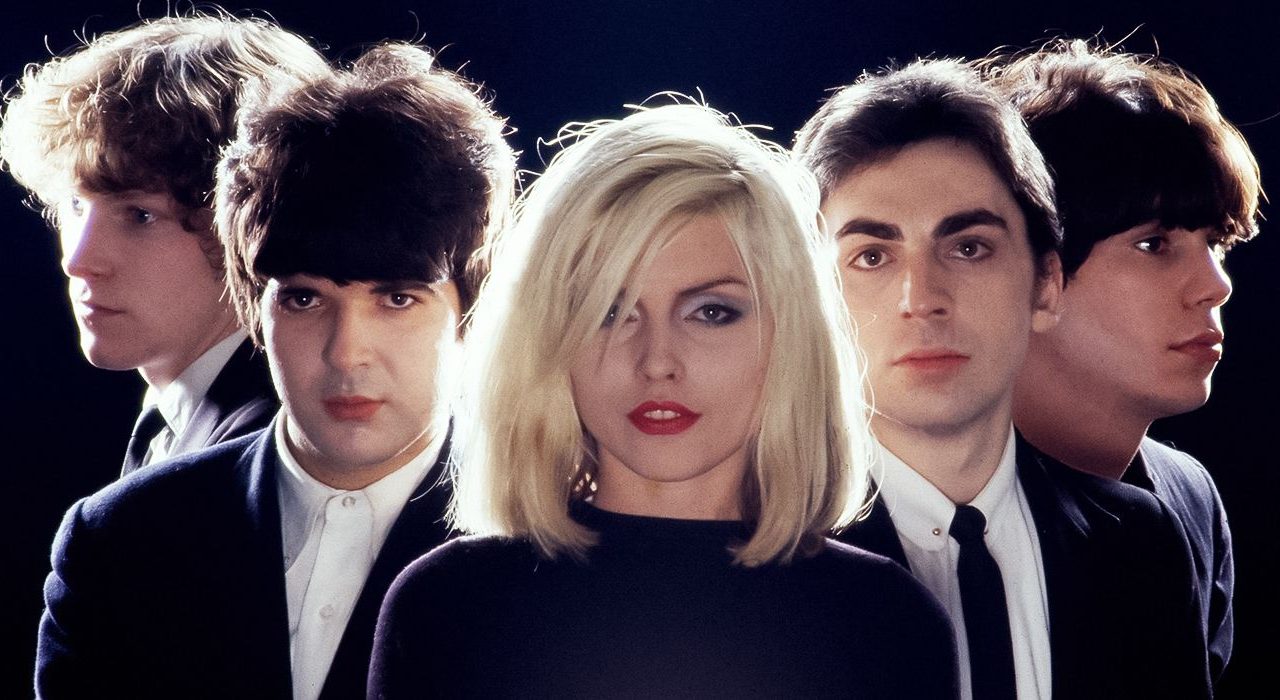
Few bands captured the late 1970s and early 1980s quite like Blondie. Fronted by Debbie Harry and led musically by guitarist Chris Stein, the New York group didn’t just survive the transition from punk and new wave to pop and disco — they thrived in it, producing some of the most distinctive and enduring records of their era.
Ranking their best albums is no simple task. Blondie’s catalog spans punk energy, dance floor anthems, reggae-inflected pop, and polished new wave — sometimes all within the same record. But some albums stand taller than others, and that’s worth exploring for anyone who wants to understand why this band still matters decades later.
This is an honest look at the albums that defined the band.
Why Blondie’s Discography Still Demands Attention
Blondie formed in New York City in 1974, emerging from the same downtown scene that produced Television, Talking Heads, and the Ramones. What set them apart was their willingness — and ability — to move fluidly between genres without losing their identity.
Debbie Harry’s vocal presence was central to that identity. She could sound detached and cool on a punk track, then warm and seductive on a pop ballad, then playful and sharp on a hip-hop-influenced number. That range gave the band a versatility that few of their contemporaries could match.
Their commercial peak came between 1978 and 1981, a run that produced some of the best-charting and most critically admired records of the new wave era. But even outside that window, their earlier and later work rewards careful listening.
The Albums That Shaped the Blondie Sound
Here is a look at the key studio albums from Blondie’s classic period, along with the context that makes each one significant:
| Album | Year Released | Notable Tracks | Significance |
|---|---|---|---|
| Blondie | 1976 | “X Offender,” “In the Flesh” | Debut album; raw punk-pop energy from the CBGB scene |
| Plastic Letters | 1977 | “Denis,” “(I’m Always Touched by Your) Presence, Dear” | Refined their sound; first UK chart success |
| Parallel Lines | 1978 | “Heart of Glass,” “One Way or Another,” “Hanging on the Telephone” | Breakthrough record; one of the defining albums of the era |
| Eat to the Beat | 1979 | “Dreaming,” “Atomic,” “Union City Blue” | Followed up the breakthrough with continued chart success |
| Autoamerican | 1980 | “The Tide Is High,” “Rapture” | Ambitious genre-crossing record; produced two US number ones |
| The Hunter | 1982 | “Island of Lost Souls” | Final album before their original breakup |
Each of these records represents a distinct phase in the band’s development, and together they tell the story of one of rock’s most adaptable and commercially successful acts.
What Makes Parallel Lines the Benchmark
Parallel Lines, released in 1978 and produced by Mike Chapman, is almost universally regarded as Blondie’s finest hour. It’s the record where everything clicked: the songwriting was sharp, the production was pristine, and the performances had an energy that neither felt rushed nor overworked.
“Heart of Glass” remains one of the most recognizable songs of the disco era — remarkable given that it came from a band rooted in punk. “One Way or Another” is a different beast entirely: driven and slightly menacing, it’s aged into a near-perfect rock track. “Hanging on the Telephone,” a cover of a Nerves song, sounds like it was written specifically for Harry’s voice.
The album didn’t just launch Blondie into mainstream success. It demonstrated that genre boundaries were negotiable, and that pop craft didn’t have to mean creative compromise.
The Underrated Case for Autoamerican
Autoamerican from 1980 is arguably the most adventurous album Blondie ever made, and it doesn’t always get the credit it deserves. It produced “The Tide Is High,” a reggae-influenced number originally recorded by John Holt and the Paragons, and “Rapture,” which is widely credited as one of the first hip-hop-influenced songs to reach number one on the US Billboard Hot 100.
That’s a striking achievement. A rock band from New York incorporating rap into a mainstream pop record in 1980 was genuinely ahead of the curve. The album wasn’t universally embraced at the time — some critics felt it was scattered — but in hindsight, its ambition looks more prescient than unfocused.
Where the Band Stands in Music History
Blondie reunited in the late 1990s and have continued recording and touring since. Their influence on pop, new wave, and alternative music is well documented. Artists across multiple generations have cited Harry and the band as a reference point for how to blend commercial appeal with artistic credibility.
Their induction into the Rock and Roll Hall of Fame in 2006 was a formal acknowledgment of what listeners had known for decades: this was a band that genuinely changed what pop music could sound like.
For anyone approaching the catalog fresh, Parallel Lines is the obvious starting point. But the full picture only comes into focus when you work through the rest — from the raw debut through to the ambitious risks of Autoamerican.
Frequently Asked Questions
What is generally considered Blondie’s best album?
Parallel Lines, released in 1978, is widely regarded as their strongest and most consistent record, featuring hits including “Heart of Glass,” “One Way or Another,” and “Hanging on the Telephone.”
When did Blondie first form?
Blondie formed in New York City in 1974, emerging from the downtown punk and new wave scene centered around venues like CBGB.
What was significant about the song “Rapture”?
“Rapture,” from the 1980 album Autoamerican, is widely credited as one of the first hip-hop-influenced songs to reach number one on the US Billboard Hot 100.
Did Blondie break up and reunite?
Yes. The band originally broke up after releasing The Hunter in 1982 and reunited in the late 1990s, continuing to record and tour since then.
When were Blondie inducted into the Rock and Roll Hall of Fame?
Blondie were inducted into the Rock and Roll Hall of Fame in 2006.
How many studio albums did Blondie release in their classic period?
Blondie released six studio albums between 1976 and 1982, from their self-titled debut through to The Hunter, before their original breakup.

Leave a Reply