
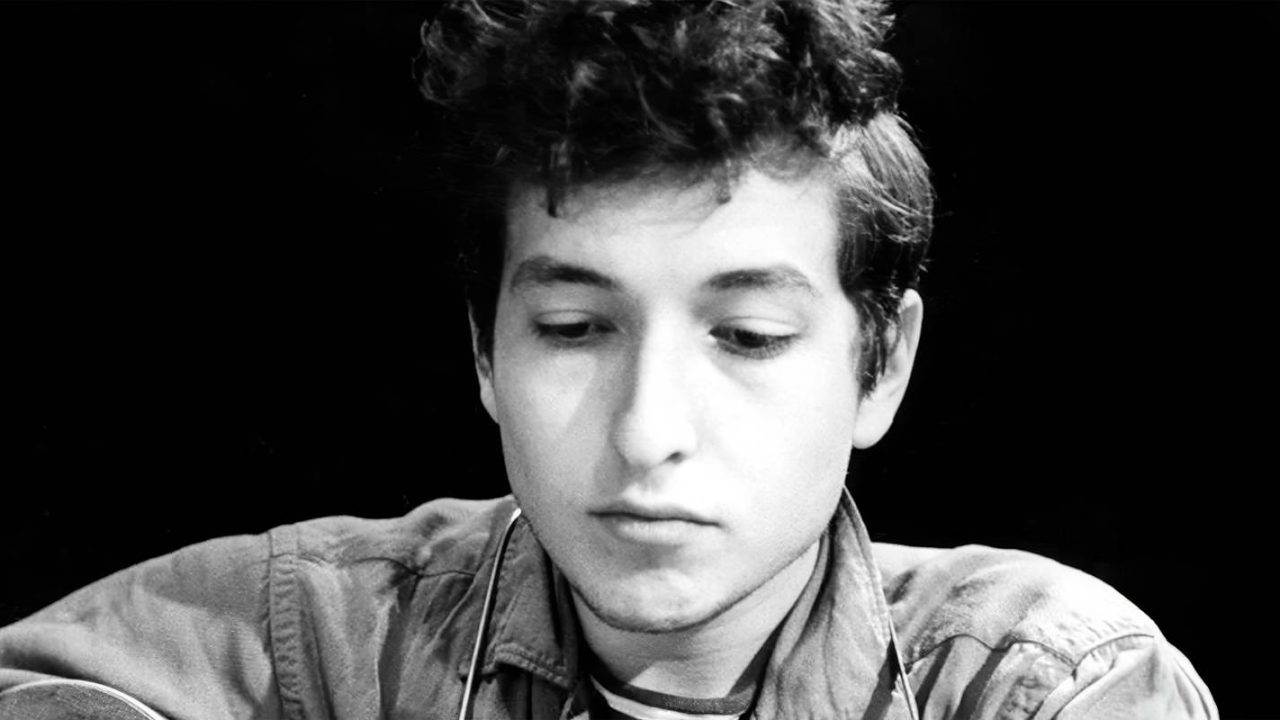
Bob Dylan has spent more than six decades writing songs that resist easy categorization — and that includes his love songs. While the world knows him as a protest poet and folk prophet, some of his most enduring work is quietly, devastatingly romantic.
The question of which Bob Dylan love songs stand above the rest is one that serious music fans have debated for years. His catalog spans hundreds of songs across dozens of albums, touching every shade of love — tender, bitter, obsessive, elegiac, and occasionally transcendent. Narrowing it down is not a simple task.
What follows is a ranked look at ten of Bob Dylan’s best love songs, drawing on the full sweep of his career. Whether you’re a longtime Dylan devotee or someone just beginning to explore his work, these tracks represent the emotional range that earned him the Nobel Prize in Literature in 2016.
Why Bob Dylan’s Love Songs Hit Differently
Dylan is not a conventional romantic songwriter. He doesn’t traffic in simple declarations or easy resolutions. His love songs tend to carry weight — the weight of loss, longing, ambivalence, or hard-won wisdom. Even when a song sounds gentle on the surface, the lyrics have a way of cutting deeper the more you listen.
That quality is part of what makes ranking his love songs so compelling. A song like “Lay Lady Lay” operates on pure sensual warmth, while “If You See Her, Say Hello” aches with a grief that feels almost too personal to share. They’re both love songs, but they occupy entirely different emotional territories.
His career also spans eras — from the acoustic folk of the early 1960s to the electric rock of the mid-60s, the country-influenced work of the late 60s and early 70s, the raw confessional period of Blood on the Tracks, and the late-career resurgence that produced albums like Time Out of Mind and Modern Times. Love looks different at each of those stages.
The 10 Best Bob Dylan Love Songs, Ranked
Based on lyrical depth, emotional resonance, and lasting cultural impact, here is how ten of Dylan’s finest love songs stack up against each other.
| Rank | Song Title | Album | Year |
|---|---|---|---|
| 1 | Lay Lady Lay | Nashville Skyline | 1969 |
| 2 | If You See Her, Say Hello | Blood on the Tracks | 1975 |
| 3 | Shelter from the Storm | Blood on the Tracks | 1975 |
| 4 | Make You Feel My Love | Time Out of Mind | 1997 |
| 5 | I Want You | Blonde on Blonde | 1966 |
| 6 | Love Minus Zero/No Limit | Bringing It All Back Home | 1965 |
| 7 | To Be Alone with You | Nashville Skyline | 1969 |
| 8 | Girl from the North Country | The Freewheelin’ Bob Dylan | 1963 |
| 9 | Boots of Spanish Leather | The Times They Are a-Changin’ | 1964 |
| 10 | Tomorrow Is a Long Time | Bob Dylan’s Greatest Hits Vol. II | 1971 |
The Songs That Define His Romantic Voice
“Blood on the Tracks” as an album deserves special mention here, because it places two songs in the top three. Released in 1975 and widely believed to chronicle the breakdown of Dylan’s marriage to Sara Dylan, the record is considered one of the greatest albums ever made — and its love songs carry a rawness that few artists have matched before or since.
“Shelter from the Storm” is arguably the most generous love song Dylan ever wrote — a tribute to someone who offered refuge during a period of chaos. “If You See Her, Say Hello” goes the other direction, sitting with the quiet devastation of a love that has already ended.
On the lighter side, “Lay Lady Lay” — written originally for the Midnight Cowboy soundtrack but ultimately not used in the film — became one of Dylan’s biggest commercial hits. Its warm, unhurried tone showed a side of Dylan that many fans hadn’t expected.
“Make You Feel My Love” has become one of his most covered songs, recorded by artists including Adele, whose version introduced it to an entirely new generation. Dylan wrote it and released it in 1997, but for many listeners, it feels timeless in a way that even some of his earlier classics do not.
What These Songs Say About Dylan’s Range
One thing this list makes clear is how much ground Dylan covers as a romantic writer. “Girl from the North Country”, one of his earliest compositions, is wistful and spare — a simple request to check on someone he once loved. “Boots of Spanish Leather” tells a love story entirely through an exchange of letters, and the ending lands like a quiet gut punch.
“I Want You” from Blonde on Blonde is almost playful by comparison — a song that wears its desire openly, wrapped in surrealist imagery that keeps it from ever feeling straightforward. “Love Minus Zero/No Limit” is a portrait of a woman drawn with such careful, specific detail that it reads more like a poem than a pop song.
Taken together, these ten songs trace the full arc of romantic experience — early longing, deep connection, sensual pleasure, heartbreak, and the kind of love that only comes with age and hard living.
Frequently Asked Questions
What is considered Bob Dylan’s greatest love song?
“Lay Lady Lay” from the 1969 album Nashville Skyline is widely regarded as one of his finest romantic tracks, known for its warm tone and one of his most distinctive vocal performances.
Which Bob Dylan album has the most love songs?
Blood on the Tracks (1975) is frequently cited as his most emotionally intense romantic record, containing multiple songs widely interpreted as being about the end of his marriage.
Did Bob Dylan write “Make You Feel My Love”?
Yes. Dylan wrote and released “Make You Feel My Love” in 1997 on his album Time Out of Mind. It has since been covered by numerous artists, most notably Adele.
Was “Lay Lady Lay” written for a film?
Yes. Dylan originally wrote the song for the Midnight Cowboy soundtrack, but it was not used in the film. It was instead released on Nashville Skyline in 1969.
When did Bob Dylan win the Nobel Prize in Literature?
Bob Dylan was awarded the Nobel Prize in Literature in 2016, with the Nobel Committee citing his creation of new poetic expressions within the American song tradition.
Is “Girl from the North Country” one of Dylan’s earliest songs?
Yes. It appeared on The Freewheelin’ Bob Dylan in 1963, making it one of his earliest recorded love songs and a touchstone of his acoustic folk period.




Leave a Reply