
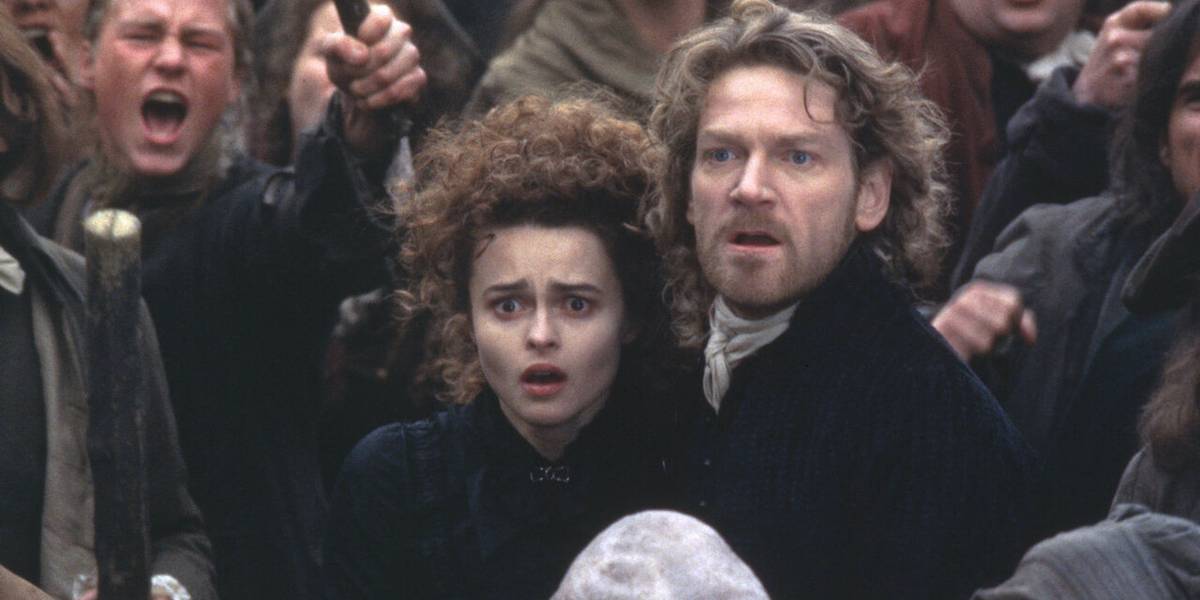
More than three decades after its release, one film adaptation of Mary Shelley’s Frankenstein still stands apart from everything else the genre has produced — and it’s not the one most people picture when they hear the monster’s name.
Mary Shelley’s Frankenstein, directed by Kenneth Branagh and released in 1994, remains widely regarded by critics and literary scholars as the most faithful screen adaptation of Shelley’s 1818 novel ever made. While Boris Karloff’s flat-topped, bolt-necked monster from the 1931 Universal classic is the image burned into popular culture, Branagh’s version took the unusual step of actually reading the book — and building a film around what Shelley wrote, not what Hollywood mythology had invented in the decades since.
Thirty-two years on, the film is experiencing renewed attention, and for anyone who has only ever known the monster through Halloween costumes and cereal boxes, watching it is a genuinely disorienting experience. This is not the lumbering, inarticulate creature of Universal lore. This is something far more troubling.
What Makes This the Most Faithful Frankenstein Adaptation
The central argument for the film’s fidelity to Shelley’s novel comes down to what it preserves that almost every other version discards entirely. In Shelley’s original text, the creature is intelligent, articulate, and emotionally complex. He reads Milton. He reasons. He pleads. He grieves. He is, in many ways, more human than his creator.
Branagh’s film, with Robert De Niro playing the creature, commits to that version of the character in a way no major studio production had before it. De Niro’s creature speaks in full sentences, argues philosophy, and demands to be understood. The horror of the story is not that the monster is terrifying — it’s that he is sympathetic, and that sympathy makes the audience deeply uncomfortable about where their loyalties should lie.
The film also preserves the novel’s framing device, which most adaptations quietly drop. Shelley’s story is told through the letters of Arctic explorer Robert Walton, who encounters the dying Victor Frankenstein and records his confession. Branagh keeps this structure intact, grounding the story in the epistolary tragedy Shelley intended rather than flattening it into a straightforward horror narrative.
The Frankenstein Story Most Adaptations Get Wrong
The gap between Shelley’s novel and the popular image of Frankenstein’s monster is one of the widest in all of literary adaptation history. A few key differences illustrate how far most films have drifted from the source:
| Element | Shelley’s Novel (1818) | Classic Hollywood Version | Branagh’s 1994 Film |
|---|---|---|---|
| The creature’s intelligence | Highly articulate, self-educated | Mute or barely verbal | Fully articulate, emotionally complex |
| The creature’s appearance | Described as tall, with yellowish skin | Flat-topped head, neck bolts | Scarred, stitched, viscerally physical |
| Victor Frankenstein | Obsessive, morally culpable | Often heroic or sympathetic | Driven, flawed, ultimately condemned |
| Framing narrative | Arctic explorer’s letters | Usually removed entirely | Retained |
| Moral ambiguity | Central to the entire novel | Largely absent | Central to the film |
What Shelley actually wrote was a philosophical novel about creation, responsibility, and abandonment — not a monster movie. The creature’s suffering stems not from being evil, but from being made and then rejected. Victor Frankenstein is not a hero. He is a man who plays God and then refuses to accept the consequences.
Why the Film Divided Critics But Endures Anyway
When Mary Shelley’s Frankenstein opened in 1994, it received a mixed critical reception. Some reviewers found Branagh’s direction overwrought, his performance as Victor too operatic, the whole enterprise too grand for its own good. The film was not a major box office success by the standards expected of a production with its cast and budget.
But critical fashion and lasting cultural value are not the same thing. The qualities that some reviewers dismissed — the emotional intensity, the theatrical scale, the refusal to make the material comfortable — are precisely what have allowed the film to age well while slicker, more crowd-pleasing horror films from the same era have faded.
De Niro’s performance in particular has been reassessed significantly over the years. Playing a role that required him to be physically unrecognizable while delivering some of the film’s most intellectually demanding dialogue, he produced work that rewards closer attention than the film’s original reception suggested.
Where to Watch It and Why Now
The film is currently available to stream on Max (formerly HBO Max), which has brought it back into conversation for a new generation of viewers who may know Shelley’s novel from school but have never encountered a screen adaptation that actually reflects what she wrote.
For anyone approaching it fresh, a few things are worth knowing going in. This is not a horror film in the conventional sense — there are frightening sequences, but the dominant emotion is closer to tragedy. The pacing is deliberate. The performances are large. And the ending, which follows Shelley’s original conclusion far more closely than most versions dare to, lands with a weight that the Universal films, for all their iconic imagery, never quite achieved.
Shelley wrote her novel when she was eighteen years old. The questions she embedded in it — about what we owe the things we create, about whether suffering without cause is the cruelest form of injustice — have never stopped being relevant. Branagh’s film understood that. Most others didn’t.
Frequently Asked Questions
Is Mary Shelley’s Frankenstein (1994) really the most faithful adaptation of the novel?
It is widely considered the most faithful major studio adaptation, preserving key elements like the creature’s intelligence, the Arctic framing narrative, and the moral ambiguity that most other versions remove.
Who directed and starred in the 1994 film?
Kenneth Branagh directed the film and also starred as Victor Frankenstein, with Robert De Niro playing the creature.
Where can I stream Mary Shelley’s Frankenstein?
The film is currently available to stream on Max, formerly known as HBO Max.
How does the 1994 film differ from the classic Universal Frankenstein?
The 1994 version depicts the creature as articulate and emotionally complex, retains the novel’s framing device, and presents Victor Frankenstein as morally culpable — all elements the 1931 Universal film largely abandoned.
Was the film a success when it was released?
The film received a mixed critical reception in 1994 and did not perform as strongly at the box office as expected, though it has been reassessed more favorably in the years since.



Leave a Reply