
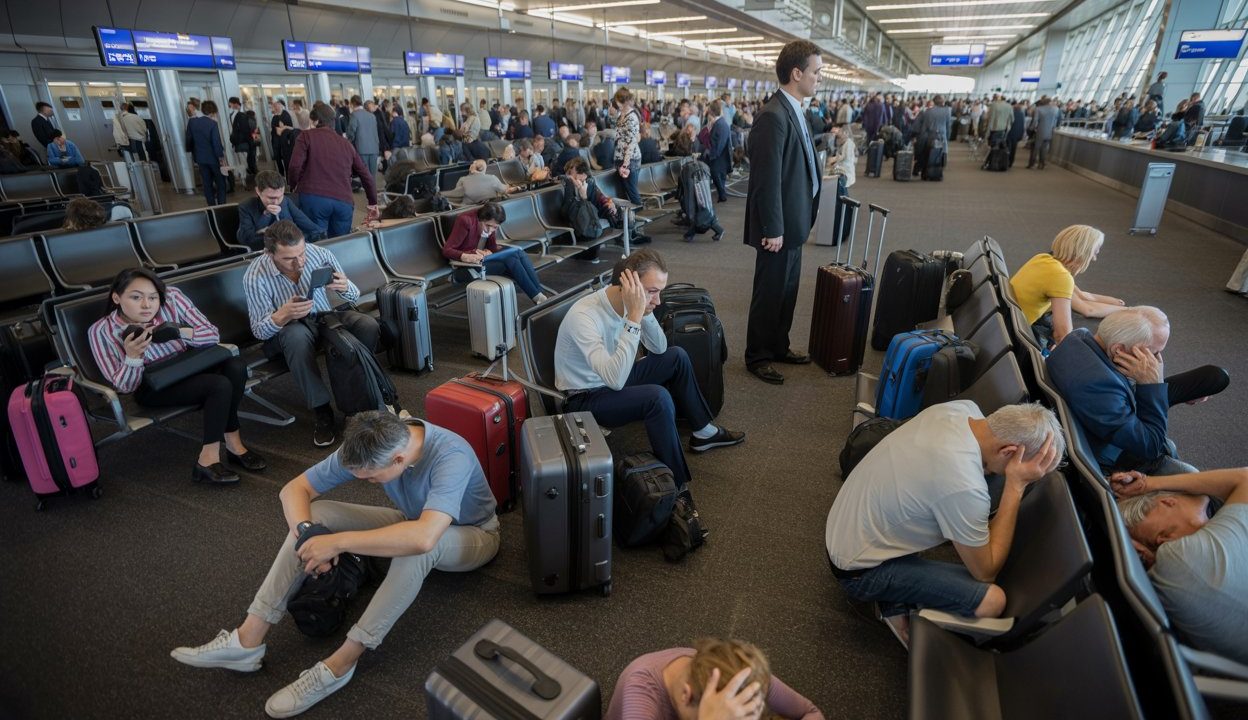
Seventeen separate flight disruptions in a single day — six cancellations and eleven delays — have turned Ministro Pistarini International Airport in Buenos Aires into a frustrating standstill for thousands of travelers on March 23, 2026.
The chaos at Ezeiza, as the airport is commonly known, is hitting passengers on some of the most heavily traveled routes in the Western Hemisphere. Flights connecting Buenos Aires to São Paulo, Miami, and New York are among those caught in the disruption, with major carriers including Flybondi, Aerolineas Argentinas, Delta Air Lines, and Ethiopian Airlines all reporting affected operations.
If you have a flight in or out of Buenos Aires today — or you’re connecting through Ezeiza — here’s what you need to know.
What Is Happening at Ezeiza Airport Right Now
Ministro Pistarini International Airport, located roughly 35 kilometers southwest of central Buenos Aires, is Argentina’s main international gateway. On March 23, 2026, the airport is dealing with a significant wave of disruptions that have affected both departures and arrivals across multiple airlines and destinations.
The total disruption count stands at 17, broken down as six full cancellations and eleven delays. That scale of disruption in a single day is notable for an airport that handles the bulk of Argentina’s long-haul international traffic.
The airlines confirmed to be affected include Flybondi, Aerolineas Argentinas, Delta Air Lines, and Ethiopian Airlines — a mix that spans budget domestic carriers, Argentina’s flag carrier, and major international operators. The breadth of airlines involved suggests the disruptions are systemic rather than isolated to one operator.
Which Routes and Airlines Are Facing Cancellations and Delays
The disruptions are touching some of the most significant air corridors connecting South America to North America and beyond. Travelers on routes between Buenos Aires and São Paulo, Miami, and New York are among those most directly affected.
| Disruption Type | Number of Flights | Airlines Affected | Key Destinations Impacted |
|---|---|---|---|
| Cancellations | 6 | Flybondi, Aerolineas Argentinas, Delta Air Lines, Ethiopian Airlines | Buenos Aires, São Paulo, Miami, New York |
| Delays | 11 | Flybondi, Aerolineas Argentinas, Delta Air Lines, Ethiopian Airlines | Buenos Aires, São Paulo, Miami, New York |
| Total Disruptions | 17 | Multiple carriers | Multiple international routes |
The affected airlines represent a wide spectrum of the market. Flybondi is Argentina’s leading low-cost carrier, known for budget-conscious travelers on domestic and regional routes. Aerolineas Argentinas is the national flag carrier and operates the country’s most extensive international network. Delta Air Lines connects Buenos Aires to North American hubs, while Ethiopian Airlines serves long-haul routes linking South America to Africa and beyond.
- Flybondi — Argentina’s primary budget airline, primarily serving regional and domestic routes
- Aerolineas Argentinas — Argentina’s flag carrier with extensive international connections
- Delta Air Lines — Major U.S. carrier operating between Buenos Aires and North American hubs including Miami and New York
- Ethiopian Airlines — Long-haul international carrier connecting South America to global destinations via Africa
Who Gets Hit Hardest by These Disruptions
For passengers already at Ezeiza, the immediate reality is long waits, uncertain rebooking timelines, and the logistical headache of rearranging onward connections. When six flights are outright cancelled — not just delayed — travelers face the prospect of spending hours at the airport waiting for the next available seat, which on long-haul international routes may not come until the following day.
The ripple effect is especially sharp for anyone with tight connections. A traveler flying from Buenos Aires to Miami and then connecting onward to another U.S. city, for example, faces a cascade of missed connections if their first leg is cancelled or significantly delayed.
Business travelers, families with young children, and anyone with time-sensitive plans — medical appointments, visa interviews, pre-booked tours — are among those feeling the pressure most acutely. The disruptions are also likely to affect travelers arriving into Buenos Aires who may have connecting domestic flights or onward ground transport already arranged.
From a broader perspective, disruptions of this scale at Argentina’s primary international airport carry real economic consequences. Officials have noted that repeated or severe airport disruptions can have a negative long-term impact on Argentina’s standing as a travel and tourism destination, discouraging future bookings and undermining traveler confidence in the country’s aviation infrastructure.
Why This Matters Beyond One Bad Travel Day
Ezeiza is not a secondary hub — it is the front door to Argentina for international visitors and a critical node for South American air travel more broadly. When it experiences significant disruption, the effects don’t stay contained within Argentina’s borders.
São Paulo, Miami, and New York are three of the highest-volume international air corridors connected to Buenos Aires. Disruptions on these routes affect not just individual passengers but also cargo, business travel, and the tourism pipelines that feed Argentina’s economy.
Airlines operating at Ezeiza also rely on precise turnaround schedules. A delayed inbound flight means a delayed outbound departure. With eleven delays already logged today, the knock-on effect could extend well into the evening and potentially into the following day’s schedule depending on how quickly the situation is resolved.
What Affected Travelers Should Do Now
If you have a flight through Ezeiza today or in the coming days, the practical advice is straightforward: check your airline’s app or website immediately for the latest status on your specific flight. All four affected carriers — Flybondi, Aerolineas Argentinas, Delta Air Lines, and Ethiopian Airlines — have customer service channels that can assist with rebooking options in the event of a cancellation.
Travelers with travel insurance should review their policy for trip delay and cancellation coverage, as disruptions of this nature typically qualify for claims. Those without insurance may be entitled to compensation or rebooking assistance depending on the airline’s policies and applicable consumer protection regulations.
The situation at Ezeiza is ongoing. Whether the disruptions are linked to weather, operational issues, or other causes has not been confirmed in the available reporting, so travelers should monitor updates closely rather than assuming conditions will clear quickly.
Frequently Asked Questions
How many flights have been disrupted at Ezeiza Airport today?
There have been 17 total disruptions reported on March 23, 2026, including 6 cancellations and 11 delays.
Which airlines are affected by the Buenos Aires airport disruptions?
Flybondi, Aerolineas Argentinas, Delta Air Lines, and Ethiopian Airlines have all been confirmed as affected carriers.
Which destinations are impacted by the Ezeiza flight cancellations and delays?
Travelers on routes connecting Buenos Aires to São Paulo, Miami, and New York are among those affected by the disruptions.
What caused the disruptions at Ministro Pistarini International Airport?
The specific cause of the disruptions has not been confirmed in available reporting at this time.
What should I do if my flight from Ezeiza has been cancelled?
Contact your airline directly through their app, website, or customer service line for rebooking options, and review your travel insurance policy if applicable.
Could these disruptions affect flights scheduled for the next day?
With eleven delays already recorded, knock-on effects extending into subsequent schedules are possible, though the full duration of the disruption has not yet been confirmed.




Leave a Reply