
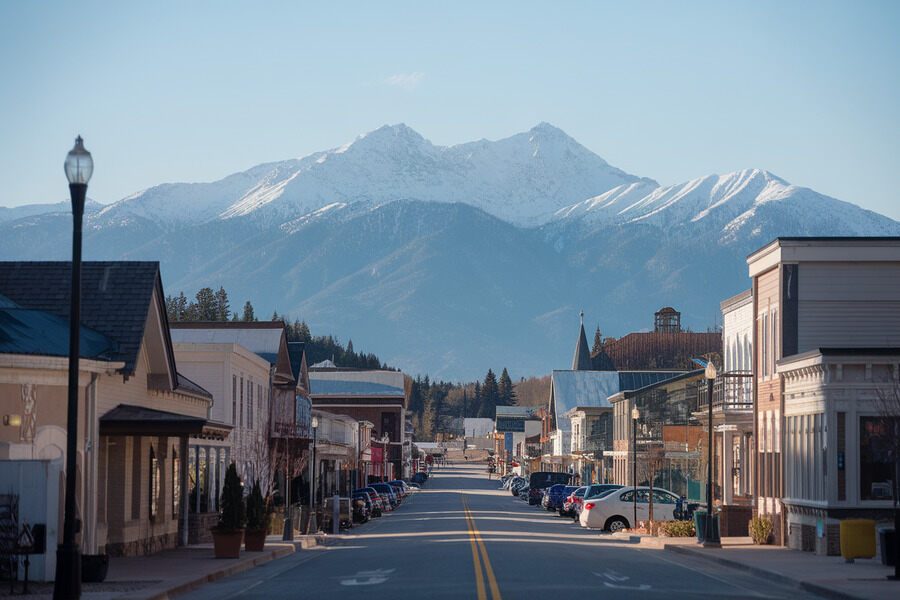
From the Rocky Mountains of Alberta to the historic streets of Quebec City, Canada’s provinces are collectively building one of the most diverse and ambitious tourism ecosystems in the world. And right now, that effort is gaining serious momentum.
Provinces including Alberta, Ontario, British Columbia, Nova Scotia, Manitoba, Quebec, New Brunswick, and Saskatchewan are each playing a distinct and increasingly important role in driving Canada’s tourism growth forward. The focus is shifting beyond simply attracting visitors — the push is now firmly toward sustainable, inclusive, and authentically Canadian travel experiences that can hold up over the long term.
For travelers, that shift means more thoughtful destinations, richer regional offerings, and a country that’s actively investing in what makes each corner of it worth visiting.
Why Canada’s Regional Tourism Strategy Is Getting Attention Right Now
Canada’s tourism industry has been in recovery and growth mode, and the provinces aren’t waiting for a single national strategy to lead the way. Instead, each region is doubling down on what makes it genuinely unique — and together, those efforts are creating a tourism network that’s hard to replicate anywhere else on the planet.
Alberta brings the drama of the Rocky Mountains, wide-open landscapes, and adventure tourism that draws visitors from across the globe. British Columbia offers coastal wilderness and urban sophistication in the same trip. Quebec delivers deep cultural immersion, world-class cuisine, and a European atmosphere that feels entirely distinct from anything else in North America.
Meanwhile, provinces like Nova Scotia, Manitoba, New Brunswick, and Saskatchewan are carving out their own identities — offering travelers the kind of off-the-beaten-path authenticity that’s increasingly hard to find in an era of overtourism.
The common thread running through all of it is a move toward travel that’s more responsible, more regionally grounded, and more inclusive of different types of visitors and communities.
What Each Province Brings to the Table
The strength of Canada’s tourism strategy lies in the fact that no two provinces are offering the same thing. That diversity is a feature, not a coincidence — and it’s what positions Canada to attract a wide range of traveler profiles, from adventure seekers and eco-tourists to cultural explorers and family vacationers.
| Province | Key Tourism Identity | Notable Offering |
|---|---|---|
| Alberta | Adventure & Natural Landscapes | Rocky Mountains, national parks |
| British Columbia | Coastal Wilderness & Urban Culture | Pacific coastline, mountain ecosystems |
| Quebec | Cultural Immersion & Heritage | Historic cities, French-language culture |
| Ontario | Urban & Diverse Experiences | Major city destinations, multicultural appeal |
| Nova Scotia | Coastal & Authentic Regional Travel | Maritime heritage, scenic coastlines |
| Manitoba | Indigenous Culture & Wildlife | Unique northern experiences |
| New Brunswick | Bilingual & Scenic Destinations | Bay of Fundy, bilingual cultural heritage |
| Saskatchewan | Prairie Landscapes & Open Skies | Wide-horizon travel, Indigenous history |
What’s notable is how these provinces are increasingly framing their offerings around the values that modern travelers prioritize — environmental responsibility, cultural respect, and experiences that give back to local communities rather than just extracting from them.
How This Affects Travelers Planning a Canadian Trip
If you’re planning to visit Canada — whether it’s your first trip or your tenth — this provincial push toward sustainable and inclusive tourism has real, practical implications for what you’ll find when you get there.
Travelers can expect more investment in eco-conscious infrastructure, better access to Indigenous-led tourism experiences, and a wider range of options that go beyond the standard highlights. The goal, as provinces like Alberta and British Columbia continue to develop their regional strategies, is to spread the benefits of tourism more evenly — reducing pressure on already-crowded hotspots while opening up genuinely rewarding alternatives.
For travelers who feel like they’ve “done” Canada’s major cities, this regional diversification is exactly the kind of development that makes a return trip worth planning. Saskatchewan’s vast prairie skies, New Brunswick’s dramatic tidal shifts at the Bay of Fundy, and Manitoba’s wildlife corridors are all part of an expanding portfolio that the country is actively promoting.
The inclusive travel dimension matters too. Provinces are working to ensure that Canadian tourism is welcoming and accessible to a broader range of visitors — including those seeking culturally meaningful experiences connected to Indigenous history and traditions.
What Canada’s Tourism Growth Looks Like Going Forward
The direction is clear: Canada is not building its tourism future around a handful of marquee destinations. The long-term strategy being shaped by provinces from coast to coast is about depth — more experiences, more communities involved, and more reasons for travelers to keep coming back.
Alberta’s increasing prominence in that national conversation signals that even provinces already known for spectacular scenery are finding new ways to position themselves. The emphasis on sustainability means that growth isn’t just measured in visitor numbers, but in the quality and longevity of those experiences.
Advocates for this approach argue that a distributed, regionally diverse tourism model is more resilient — less vulnerable to the pressures that come when tourism concentrates too heavily in one place. It also creates broader economic benefits for communities that have historically sat outside the main tourism circuit.
For Canada as a whole, the convergence of so many provinces around a shared vision of sustainable and inclusive travel represents a meaningful moment — one that could define how the country presents itself to the world for years to come.
Frequently Asked Questions
Which Canadian provinces are leading the push for tourism growth?
Alberta, Ontario, British Columbia, Nova Scotia, Manitoba, Quebec, New Brunswick, and Saskatchewan are all identified as key contributors to Canada’s current tourism growth strategy.
What makes Alberta’s tourism offering distinctive?
Alberta is known for its majestic Rocky Mountains and natural landscapes, positioning it as a hub for adventure tourism and eco-conscious travel experiences.
What does “sustainable tourism” mean in this context?
In this context, sustainable tourism refers to travel development that prioritizes environmental responsibility, inclusive community benefits, and long-term viability rather than short-term visitor volume alone.
Is Canada focusing on Indigenous tourism experiences?
The broader strategy includes a focus on inclusive travel, which encompasses culturally meaningful experiences connected to Indigenous history and traditions across multiple provinces.
Are lesser-known provinces like Saskatchewan and Manitoba being actively promoted?
Yes — provinces including Saskatchewan and Manitoba are part of Canada’s effort to diversify its tourism portfolio and offer travelers authentic, off-the-beaten-path alternatives to the country’s most visited destinations.
Is this a new national tourism policy or a collection of provincial efforts?
Based on available information, this reflects a convergence of provincial strategies rather than a single federal policy, with each province contributing its own regional approach to a shared national direction.




Leave a Reply