
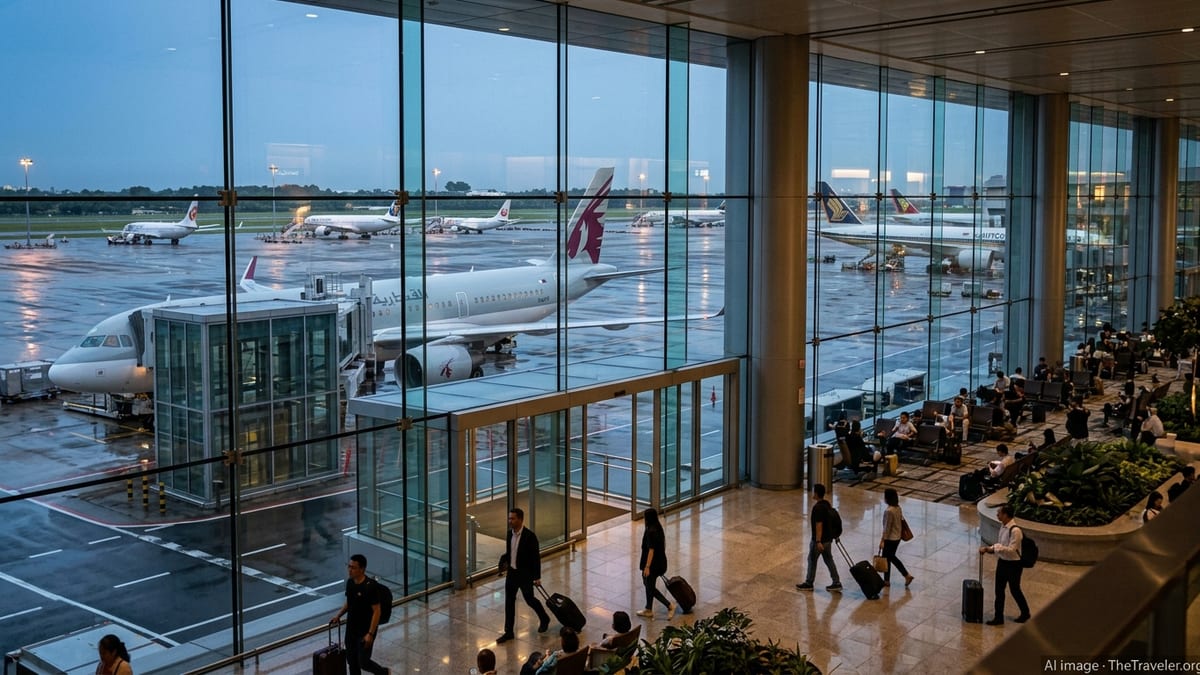
For the 14th time, Singapore’s Changi Airport has claimed the title of World’s Best Airport — and in the same awards cycle, Qatar Airways has been named the World’s Best Airline for 2026. Two wins, two countries, and one very clear signal about where global travel excellence now lives.
These aren’t just trophies collecting dust in a boardroom. Both recognitions carry real weight for travelers, tourism industries, and the broader direction of international aviation. When the world’s most-traveled passengers consistently rank the same names at the top, it shapes where airlines invest, where governments prioritize infrastructure, and where tourists decide to fly.
Here’s what these 2026 rankings mean, and why they matter beyond the headlines.
Changi’s 14th Win Is More Than a Streak — It’s a Standard
Winning once is impressive. Winning 14 times is a statement about institutional commitment. Singapore’s Changi Airport secured the top spot at the 2026 Skytrax World Airport Awards, cementing its reputation as the benchmark against which every other major hub is measured.
For Singapore’s tourism sector, the timing couldn’t be better. International travel continues its post-pandemic recovery, and travelers making decisions about connecting flights or destination visits increasingly factor in airport quality. Changi’s consistent dominance signals to visitors that Singapore isn’t just a layover — it’s a destination in its own right.
The airport’s reputation rests on a combination of passenger experience, operational efficiency, and the kind of amenities that turn a transit stop into something travelers actually look forward to. That reputation now feeds directly into Singapore’s broader tourism draw, reinforcing the country’s position as a top-tier destination for international visitors.
Qatar Airways Crowned World’s Best Airline for 2026
On the airline side, Qatar Airways took home the title of World’s Best Airline for 2026 — a recognition that reflects the carrier’s ongoing investment in fleet innovation, service quality, and passenger experience across millions of journeys.
For Qatar, this win carries tourism implications that extend well beyond bragging rights. When a national carrier is recognized as the world’s best, it elevates the entire country’s profile as a travel destination. Passengers who might not have considered Qatar as a stopover or final destination become curious. Tourism infrastructure gets attention. International visitor numbers respond.
Qatar Airways has built its reputation on a combination of premium cabin offerings, route expansion, and a consistent focus on the passenger experience — factors that resonate with both business and leisure travelers choosing between competing carriers on long-haul routes.
What These Rankings Actually Mean for Travelers
Rankings like these influence real decisions — where airlines invest in new routes, which airports attract more international carriers, and where tourists choose to spend their money. Both Singapore and Qatar are positioned to see direct benefits to their tourism industries as a result of these 2026 recognitions.
| Award | Winner | Recognition Body | Notable Detail |
|---|---|---|---|
| World’s Best Airport 2026 | Singapore Changi Airport | Skytrax World Airport Awards | 14th time winning the title |
| World’s Best Airline 2026 | Qatar Airways | Skytrax (implied by context) | Recognized for service, fleet innovation, and passenger experience |
For travelers planning long-haul journeys in 2026, these rankings offer a practical guide. Flying through Changi or booking with Qatar Airways puts you in the hands of operations that have been independently evaluated and ranked above every other competitor in the world. That’s a meaningful data point when you’re weighing options on a 14-hour flight.
- Changi Airport continues to set the standard for passenger experience, efficiency, and airport amenities globally
- Qatar Airways leads the airline industry in 2026 for service quality and fleet innovation
- Both wins are expected to drive increased international visitor numbers to Singapore and Qatar respectively
- Tourism infrastructure in both countries benefits directly from the elevated global profile these awards bring
The Tourism Ripple Effect Neither Country Is Ignoring
There’s a broader story here about how aviation excellence translates into economic impact. When an airport or airline wins at this level, it doesn’t just attract more passengers — it attracts more investment, more airline partnerships, and more international attention from travel planners, tour operators, and corporate travel managers.
Singapore has long understood the connection between Changi’s reputation and the country’s tourism numbers. The airport serves as both a functional gateway and a marketing asset — one that communicates quality and reliability before a visitor even steps outside into the city.
Qatar is in a similar position. With Qatar Airways carrying the national flag as the world’s best carrier, the country benefits from millions of impressions made on passengers who might otherwise have no particular reason to think about Qatar as a destination. That kind of soft influence is difficult to buy and nearly impossible to manufacture — it has to be earned through consistent performance over time.
What to Watch as 2026 Unfolds
Both Singapore and Qatar are expected to leverage these recognitions to deepen their tourism strategies throughout 2026. Enhanced travel infrastructure, continued investment in passenger services, and growing international route networks will likely follow from the momentum these awards generate.
For travelers, the practical takeaway is straightforward: the gap between the best and the rest in global aviation is real, and these rankings reflect genuine differences in experience. Whether you’re choosing a carrier for a business trip or planning a holiday routing through Asia or the Middle East, 2026’s top rankings give you a clear starting point.
The aviation world will be watching to see whether these leaders can hold their positions — and which competitors are closing the gap.
Frequently Asked Questions
How many times has Changi Airport won the World’s Best Airport award?
Changi Airport has won the title 14 times, with its most recent win coming at the 2026 Skytrax World Airport Awards.
Who named Qatar Airways the World’s Best Airline for 2026?
Qatar Airways was recognized as the World’s Best Airline for 2026, with the award reflecting its service quality, fleet innovation, and overall passenger experience. The specific awarding body is identified in context as Skytrax.
How do these awards affect tourism in Singapore and Qatar?
Both countries are expected to see increased international visitor numbers as a result of these recognitions, which elevate their global profiles and reinforce their reputations as premier travel destinations.
What criteria are used to determine these aviation rankings?
Does winning these awards have a practical impact on travelers?
Yes — these rankings influence airline investment decisions, route expansions, and airport development, all of which directly shape the travel experience for passengers using these hubs and carriers.
Will Qatar Airways and Changi Airport retain these titles in future years?
This has not been confirmed. Both have strong track records — Changi’s 14 wins demonstrate sustained excellence — but future rankings depend on continued performance and competition from other carriers and airports.




Leave a Reply