
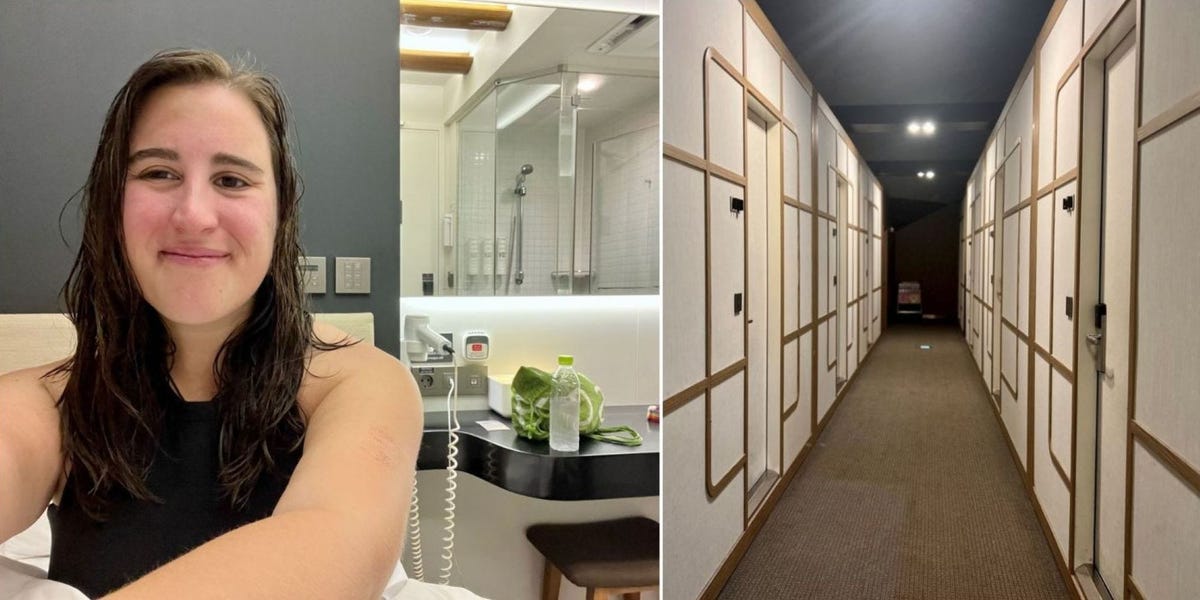
A fire at a capsule hotel in central Seoul has put traveller safety squarely in the spotlight — and with major events and BTS concerts drawing enormous crowds to the South Korean capital in 2026, the timing couldn’t be more urgent for anyone booking accommodation in the city.
Seoul attracts millions of tourists every year, drawn by its shopping districts, cultural landmarks, and a music and entertainment scene that rivals anywhere on the planet. For budget-conscious travellers and solo visitors in particular, capsule hotels have become a go-to option: affordable, centrally located, and efficient. But the recent fire incident has made clear that knowing what you’re walking into matters just as much as knowing where you’re going.
If you’re planning a trip to Seoul — whether for a concert, a festival, or simply to explore one of Asia’s most exciting cities — here’s what you need to understand about capsule hotel safety before you arrive.
Why Capsule Hotels Are So Popular — And Why That Popularity Creates Risk
Capsule hotels fill a genuine gap in the travel market. They offer private sleeping pods at a fraction of the cost of a standard hotel room, and they tend to cluster near transit hubs and city centres, which makes them especially attractive for people arriving late, leaving early, or trying to squeeze every hour out of a trip.
For concertgoers heading to large-scale events, that central location is particularly valuable. When tens of thousands of fans are descending on a venue at once, being close to public transport can mean the difference between a smooth night and a two-hour queue.
But the compact, high-density nature of capsule hotels — the very thing that makes them practical — also creates specific safety challenges. Pods are small. Corridors are narrow. Guests are often sleeping in close proximity to strangers. And in the event of a fire or emergency, the layout of some older facilities can complicate evacuation.
The recent fire incident in central Seoul underscored all of this. It served as a reminder that travellers cannot simply assume a property is safe because it’s popular or well-reviewed online.
Seoul Capsule Hotel Safety: What Every Tourist Should Check Before Booking
Choosing the right capsule hotel isn’t just about price and location. Safety should be part of the checklist from the very beginning — ideally before you even make a reservation.
- Check for visible fire safety equipment — smoke detectors, sprinkler systems, and fire extinguishers should be present and accessible throughout the facility.
- Locate the emergency exits before you sleep — walk the corridors when you check in and identify at least two ways out of the building.
- Avoid storing valuables in your pod overnight — most capsule hotels offer lockers; use them.
- Look up the property’s safety record — recent reviews on booking platforms often flag issues that official listings don’t mention.
- Confirm the hotel’s check-in and emergency contact procedures — know who to call and where to go if something goes wrong in the middle of the night.
- Choose properties with 24-hour staff on site — unstaffed or minimally staffed facilities offer less support in an emergency.
At a Glance: Capsule Hotel Safety Checklist for Seoul Visitors
| Safety Factor | What to Look For | Why It Matters |
|---|---|---|
| Fire detection systems | Smoke detectors and sprinklers in pods and corridors | Early warning in a high-density sleeping environment |
| Emergency exits | Clearly marked, unobstructed exits on every floor | Narrow corridors can slow evacuation without clear routes |
| Secure storage | Lockers available for valuables and luggage | Shared spaces increase theft risk without secure options |
| 24-hour staffing | Reception or security present overnight | Faster response to emergencies and guest concerns |
| Guest reviews | Recent feedback mentioning cleanliness and safety | Real-world conditions often differ from official descriptions |
| Location | Proximity to transit and major event venues | Reduces late-night travel risk during large crowd events |
Who This Affects Most — And What the Stakes Are
The travellers most likely to book capsule hotels in Seoul are also among the most vulnerable to the risks they carry. Solo travellers — particularly young women travelling alone — face heightened concerns around shared facilities and privacy. Budget travellers may feel pressure to choose cheaper properties without fully researching their safety standards. And first-time visitors to Seoul may not know the city well enough to make a fast, confident exit in an emergency.
Large events compound all of this. When BTS concerts or major festivals bring enormous numbers of international visitors to the city at the same time, demand for affordable accommodation spikes. That demand can push travellers toward properties they wouldn’t otherwise consider — and it can stretch the capacity of even well-run facilities.
Advocates for traveller safety argue that tourists should treat accommodation research with the same seriousness they give to flight bookings. A few extra minutes checking fire safety reviews and exit routes could matter enormously in the wrong situation.
What Smart Travellers Should Do Before Arriving in Seoul
Preparation before you land is just as important as what you do when you check in. A few practical steps can significantly reduce your risk.
- Research your chosen capsule hotel on multiple platforms — not just the one you’re booking through.
- Save the local emergency number for South Korea (119 for fire and ambulance) in your phone before you travel.
- Share your accommodation address and check-in details with someone at home.
- Download an offline map of the area around your hotel so you can navigate without mobile data in an emergency.
- If you’re attending a large event, plan your return route in advance and identify your nearest metro station.
Seoul remains one of the safest major cities in the world for tourists. But safety is never something you can fully outsource to a destination’s reputation. It requires active choices — and in the case of capsule hotels, it starts with knowing what questions to ask.
Frequently Asked Questions
Are capsule hotels in Seoul generally safe for tourists?
Capsule hotels in Seoul are widely used by travellers and are generally considered affordable and conveniently located, but a recent fire incident in a central Seoul capsule hotel has highlighted the importance of checking individual properties for safety standards before booking.
What happened at the Seoul capsule hotel fire?
Specific details about the cause or casualties have not been confirmed in the available source material.
What should I check for when booking a capsule hotel in Seoul?
Key things to verify include the presence of smoke detectors and sprinkler systems, clearly marked emergency exits, secure locker storage, 24-hour staffing, and recent guest reviews that address safety and cleanliness.
Are capsule hotels suitable for solo travellers attending BTS concerts or major events?
They can be a practical choice given their central locations and affordability, but solo travellers should take extra care to research safety standards and familiarise themselves with emergency exits upon arrival.
What is the emergency number in South Korea?
The emergency number for fire and ambulance services in South Korea is 119, and travellers are advised to save it in their phones before arriving.
Should I avoid capsule hotels in Seoul entirely?


Leave a Reply