
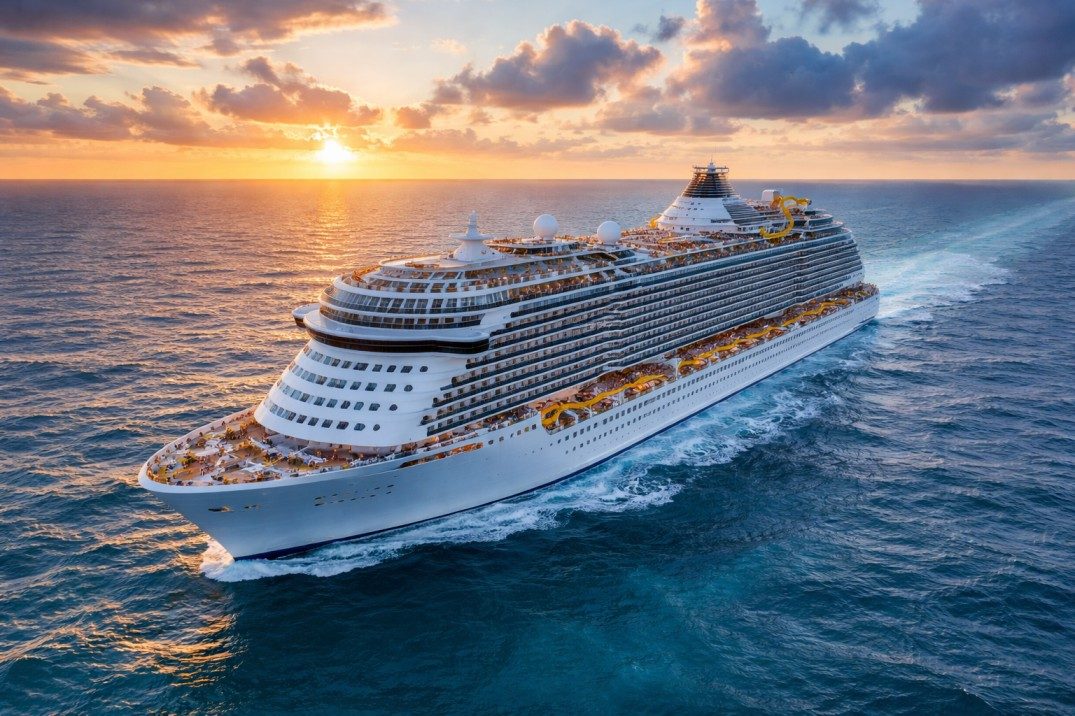
A fleet of 96 ships — and Carnival Corporation’s leadership says the future isn’t about adding more of them. It’s about making the ones they already have feel brand new.
During the company’s first-quarter 2026 earnings call, Carnival Corporation CEO Josh Weinstein outlined a strategic framework called “Propel,” designed to guide the world’s largest cruise operator through 2029. The plan represents a notable shift in thinking: rather than racing to commission new vessels, Carnival is doubling down on revitalizing the ships it already operates.
For cruise travelers — and for the broader industry — it’s a signal that the era of relentless fleet expansion may be giving way to something more deliberate.
What the “Propel” Strategy Actually Means
The Propel framework, as described by Weinstein, centers on a straightforward premise: a well-maintained, thoroughly refurbished ship doesn’t need to be replaced just because it’s aging. This isn’t simply cost-cutting dressed up in strategy language — it reflects a genuine operational philosophy about how cruise lines can sustain quality without perpetually building new hardware.
Weinstein pointed specifically to the AIDA Evolution program as a proof of concept. AIDA is one of Carnival Corporation’s cruise brands, and its Evolution initiative has focused on revitalizing older ships within that fleet. According to Weinstein, the results demonstrate that fleet age alone doesn’t determine whether a cruise experience feels fresh or dated.
The argument is compelling when you consider the economics. New cruise ships are among the most expensive objects humans build — modern vessels routinely cost well over a billion dollars. Refurbishment programs, even extensive ones, can deliver a dramatically upgraded passenger experience at a fraction of that price.
Key Details: What Carnival’s Fleet Strategy Looks Like
Here’s what is confirmed from Carnival Corporation’s first-quarter 2026 earnings call and the Propel strategy announcement:
- Carnival Corporation currently operates a fleet of 96 ships across its portfolio of brands.
- The Propel strategic framework covers the period through 2029.
- Only a limited number of newbuilds are planned to join the fleet during this window.
- Fleet revitalization — not new construction — is the primary focus of the company’s near-term capital strategy.
- The AIDA Evolution program is cited as a successful model for what refurbishment can achieve.
- Weinstein stated that ships as old as 18 years can be brought to a standard comparable to a one-year-old vessel through significant maintenance and upgrades.
| Strategic Element | Detail |
|---|---|
| Strategy Name | Propel |
| Strategy Timeframe | Through 2029 |
| Current Fleet Size | 96 ships |
| New Builds Planned | Limited number |
| Key Revitalization Reference | AIDA Evolution program |
| Maximum Ship Age Cited for Refurbishment | 18 years |
| Announced By | CEO Josh Weinstein, Q1 2026 earnings call |
Why This Matters for Cruise Travelers
If you’ve ever booked a cruise and quietly worried about whether your ship would feel tired or outdated, Carnival’s Propel strategy is directly relevant to that concern. The company is essentially making a public commitment that older ships in its fleet will be maintained and upgraded to a standard that keeps them genuinely competitive.
That’s not a trivial promise. Carnival Corporation operates some of the most recognized cruise brands in the world, and those brands span a wide range of ship ages. The Propel framework suggests passengers sailing on a vessel that’s been in service for a decade or more shouldn’t expect a noticeably inferior experience compared to someone boarding a ship that just left the shipyard.
There’s also a broader implication for how cruise lines compete. For years, the industry arms race has been partly defined by who could debut the biggest, newest, most feature-laden ship. A strategic pivot toward revitalization — especially from the world’s largest operator — could shift how rival cruise companies think about their own fleet decisions.
For travelers, this could mean more consistent quality across a wider range of ships, rather than a sharp divide between gleaming new vessels and aging ones waiting to be retired.
- Aggressive newbuild programs prioritized to expand fleet size and attract attention with debut vessels.
- Older ships risk becoming second-tier products as attention and investment flows to newer additions.
- Fleet renewal driven primarily by new construction rather than maintenance investment.
- Fleet revitalization takes priority over new builds, with only a limited number of new ships planned.
- The AIDA Evolution program demonstrates that 18-year-old ships can match the feel of a one-year-old vessel.
- Propel framework guides all 96 ships in Carnival's fleet through a maintenance-first approach until 2029.
What Happens Between Now and 2029
The Propel framework gives Carnival Corporation a defined runway — from the Q1 2026 announcement through the end of 2029 — to execute on this philosophy. During that period, the emphasis will fall on refurbishment programs modeled on the AIDA Evolution approach, alongside the limited newbuilds that are still in the pipeline.
Weinstein’s comments at the earnings call signal that the company sees fleet revitalization not as a compromise but as a genuine competitive advantage. The AIDA Evolution program’s results appear to have been convincing enough internally that the entire corporation is now organized around a similar logic.
What remains to be seen is how this strategy plays out in terms of passenger satisfaction, brand perception, and financial performance. The proof, as always in the cruise industry, will come from what travelers actually experience when they step onboard.
Frequently Asked Questions
What is Carnival Corporation’s Propel strategy?
Propel is a strategic framework announced by CEO Josh Weinstein that prioritizes fleet revitalization over new ship construction, guiding Carnival Corporation’s operations through 2029.
How many ships does Carnival Corporation currently operate?
Carnival Corporation currently operates a fleet of 96 ships across its portfolio of cruise brands.
Will Carnival Corporation stop building new ships entirely?
No — a limited number of newbuilds are still planned, but new construction is no longer the primary focus of the company’s near-term strategy.
What is the AIDA Evolution program?
The AIDA Evolution program is a fleet revitalization initiative within Carnival’s AIDA brand, cited by CEO Josh Weinstein as evidence that older ships can be refurbished to feel as new as recently built vessels.
How old can a ship be and still be worth refurbishing, according to Carnival?
Weinstein stated that ships up to 18 years old can feel comparable to a one-year-old vessel after undergoing significant refurbishment and maintenance.
When was the Propel strategy announced?
The Propel strategy was announced during Carnival Corporation’s first-quarter 2026 earnings call by CEO Josh Weinstein.



Leave a Reply