
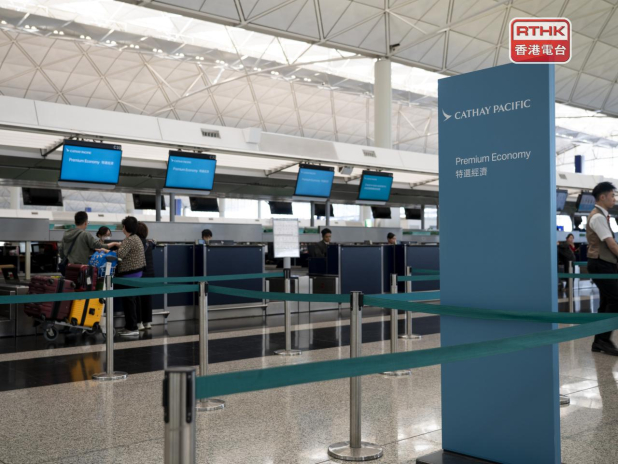
Thousands of travellers flying between Hong Kong and Riyadh are facing disrupted plans after Cathay Pacific confirmed it has cancelled all services on that route through 31 May 2026. The airline framed the move as a safety-driven decision, citing the increasingly volatile situation across the Middle East as the reason for the pause.
The suspension affects not just business travellers and tourists but also families and pilgrims who had built their journeys around Hong Kong as a key Asian transit hub. With those connections now gone, anyone relying on Cathay Pacific to reach the Saudi capital must find alternative routes — often at the cost of longer layovers and significantly altered schedules.
Riyadh is not the only destination affected. Cathay Pacific has also cancelled its flights to Dubai over a similar period, suggesting the airline is taking a cautious, broad approach to the entire region rather than responding to a single isolated risk.
Why Cathay Pacific Is Pulling Back From the Middle East
The airline has been clear that this is a safety-led decision. Cathay Pacific stated that, in view of the ongoing situation in the Middle East, all services on the Hong Kong–Riyadh route have been cancelled up to and including 31 May 2026. The carrier described the move as an effort to give customers greater certainty during a period of unpredictable regional conditions.
Beyond Riyadh, the suspension of Dubai flights points to a wider concern: increasingly complex airspace across the Middle East. Airlines operating long-haul routes through or near conflict-affected zones face real operational and liability pressures, and Cathay Pacific appears to have decided that pausing service entirely is preferable to operating under those conditions.
This kind of decision is not unusual during periods of regional tension. Airlines routinely reassess routes when airspace safety becomes difficult to guarantee, and the Middle East has seen sustained instability that has forced multiple carriers to reconfigure their networks.
The Key Facts Every Affected Traveller Should Know
If you had a booking on Cathay Pacific’s Hong Kong–Riyadh service, or were planning to book, here is what the confirmed information tells us so far:
- All Cathay Pacific flights on the Hong Kong–Riyadh route are cancelled through 31 May 2026
- Flights to Dubai have also been suspended over a similar timeframe
- The suspension covers the broader Middle East network, not just Riyadh
- The airline has described the decision as safety-led, aimed at providing customer certainty
- Families, business travellers, and pilgrims are among those most directly affected
- Travellers who used Hong Kong as an Asian hub for Middle East connections must now seek alternative routing
| Route | Status | Suspension Period | Reason Given |
|---|---|---|---|
| Hong Kong – Riyadh | Cancelled | Through 31 May 2026 | Middle East safety concerns |
| Hong Kong – Dubai | Cancelled | Similar period | Complex airspace conditions |
Who Gets Hit Hardest by the Cathay Pacific Flight Suspensions
The disruption lands unevenly depending on why you were travelling. For business travellers, the loss of a direct Hong Kong–Riyadh link means rerouting through alternative hubs, adding hours to already long journeys and potentially complicating tight meeting schedules.
For pilgrims — particularly those travelling from Hong Kong or connecting through it from elsewhere in Asia — the timing is particularly difficult. Religious travel to Saudi Arabia often operates on fixed dates tied to significant events in the Islamic calendar, leaving little flexibility when a key airline suddenly withdraws from the market.
Families with existing bookings face a different kind of pressure: the need to quickly find replacement flights, often at higher last-minute prices, and to coordinate changes across multiple travellers. The uncertainty is compounded by the fact that the regional situation driving these cancellations remains unresolved.
Even travellers not flying with Cathay Pacific are indirectly affected. When a major carrier exits a route, it reduces overall seat supply between those two markets, which can push up prices on competing airlines and limit available options — especially during peak travel periods.
What Happens Next for Travellers and the Route
The confirmed end date for the suspension is 31 May 2026, which gives travellers a fixed horizon to plan around. Whether Cathay Pacific resumes services after that date will depend on how the situation across the Middle East develops over the coming weeks.
For now, anyone with a cancelled booking should contact Cathay Pacific directly to understand their rebooking or refund options. Most major airlines offer flexibility provisions when flights are cancelled due to circumstances outside a passenger’s control — though the specific terms will vary.
Travellers who need to reach Riyadh before the end of May should begin exploring alternative carriers and routing options as soon as possible. Waiting increases the risk of limited availability and higher prices as other affected passengers make the same moves simultaneously.
Longer term, the broader question is how quickly Middle East airspace stabilises. If tensions ease before May, there is a possibility Cathay Pacific could restore services ahead of schedule — but the airline has made no such commitment publicly, and travellers should plan based on what is confirmed rather than what is hoped for.
Frequently Asked Questions
When does the Cathay Pacific Riyadh flight suspension end?
The suspension covers all flights on the Hong Kong–Riyadh route through and including 31 May 2026.
Are Cathay Pacific’s Dubai flights also affected?
Yes. Cathay Pacific has also cancelled its Dubai flights over a similar period as part of a broader pause across its Middle East network.
Why is Cathay Pacific suspending these flights?
The airline has described the decision as safety-led, citing the ongoing situation in the Middle East and increasingly complex airspace conditions in the region.
Who is most affected by the suspension?
Business travellers, families, and pilgrims who had planned journeys through Hong Kong as an Asian hub to reach Riyadh are among those most directly impacted.
Will Cathay Pacific resume flights to Riyadh after 31 May 2026?
This has not yet been confirmed. Whether services resume will depend on how regional conditions develop before the end of the suspension period.
What should I do if I have an existing booking on the cancelled route?
Travellers with existing bookings should contact Cathay Pacific directly to discuss rebooking or refund options, and should begin exploring alternative carriers as soon as possible.



Leave a Reply