
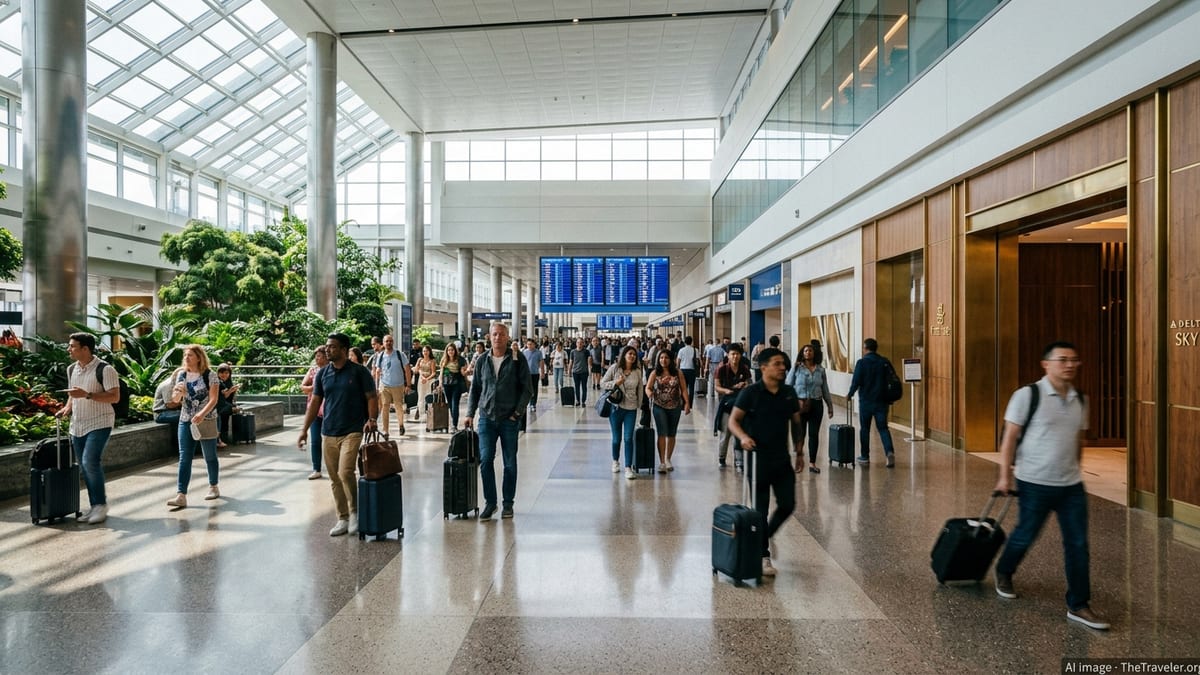
The layover — long dreaded as the most tedious stretch of any long-haul journey — is quietly being reinvented. Airports that once meant hours of uncomfortable plastic seating and overpriced sandwiches are now competing to offer luxury hotel stays, world-class dining, and full leisure experiences designed to make passengers actually look forward to their connection time.
At the center of this shift are three airports that have become the world’s most celebrated transit hubs: Singapore Changi Airport, Dubai International Airport, and Hartsfield–Jackson Atlanta International Airport. And the airlines routing the most passengers through them — Singapore Airlines, Emirates, and Delta Air Lines — are playing a direct role in shaping how millions of travelers experience these stopovers every year.
What was once downtime is increasingly becoming destination time. That change is reshaping not just how airports operate, but how the entire hospitality industry around them thinks about the traveling public.
How the World’s Best Layover Hubs Are Rewriting the Rules of Transit
For decades, the layover experience was defined almost entirely by inconvenience. You landed, you waited, you boarded again. The airport was a corridor, not a destination. But a handful of major international hubs have spent years — and billions — transforming that model entirely.
Singapore Changi has become perhaps the most famous example globally. Known for its indoor waterfall, butterfly garden, rooftop pool, and extensive retail and dining options, Changi has consistently ranked among the best airports in the world precisely because it treats transit passengers as guests rather than temporary inconveniences.
Dubai International operates on a similar philosophy, leveraging the UAE’s position as a global crossroads to offer premium lounges, luxury retail, and hotel accommodations directly within or adjacent to the terminal. Emirates, as the dominant carrier operating through Dubai, has made the stopover experience a core part of its brand identity — offering transit hotel packages and curated city tours for passengers with extended layovers.
Hartsfield–Jackson Atlanta, the busiest airport in the world by passenger volume, represents a different model. Delta Air Lines uses Atlanta as its primary hub, and the airport has evolved to meet the expectations of both domestic and international travelers who pass through in enormous numbers daily.
What Singapore Airlines, Emirates, and Delta Are Actually Offering
The transformation of layover culture isn’t happening by accident — it’s being driven by airline strategy. Singapore Airlines, Emirates, and Delta have each made deliberate decisions to route passengers through hub airports that offer more than basic transit facilities, recognizing that a positive stopover experience strengthens brand loyalty and encourages repeat bookings.
| Airline | Primary Hub | Hub Location | Known For |
|---|---|---|---|
| Singapore Airlines | Singapore Changi Airport | Singapore | World-class terminal amenities, gardens, pools |
| Emirates | Dubai International Airport | UAE | Luxury lounges, transit hotels, city tour packages |
| Delta Air Lines | Hartsfield–Jackson Atlanta | USA | World’s busiest airport, major domestic and international hub |
The layover experience these airlines offer reflects the character of each hub. Singapore’s Changi experience leans into the idea that the airport itself is worth visiting — a philosophy so successful that non-traveling visitors have reportedly entered Changi simply to enjoy its attractions. Emirates has long positioned Dubai as a city worth stopping in, not just passing through, and its stopover programs have become a meaningful part of the UAE’s broader tourism economy.
The Hospitality Industry’s Stake in the Stopover Economy
Airlines and airports aren’t the only ones paying attention to this trend. Hotels and hospitality brands near — and in some cases inside — major transit hubs have recognized that layover passengers represent a valuable and underserved market segment.
Transit passengers with longer connection windows often have disposable income, are already in a travel mindset, and are looking for ways to use their time productively or enjoyably. That combination makes them attractive guests for hotels offering short-stay or day-use room options, spa facilities, and dining experiences.
The broader shift reflects something real about how traveler expectations have changed. A generation of frequent flyers has grown up expecting more from airports — better food, better connectivity, better rest options. The airports and airlines that have invested in meeting those expectations are now reaping the rewards in passenger loyalty and positive reputation.
Why This Matters for Anyone Planning a Long-Haul Trip
If you’re booking a long-haul flight and weighing your connection options, the hub airport your airline uses increasingly matters beyond just how convenient the timing is. The quality of your layover experience — whether you have two hours or twelve — can vary enormously depending on where you connect.
Passengers flying through Changi, Dubai International, or Atlanta with their respective primary carriers can expect:
- Premium lounge access options for eligible ticket holders
- In-terminal hotel and rest facility availability
- Dining options that go well beyond standard airport fare
- Retail, entertainment, and wellness amenities designed for transit passengers
- In some cases, organized city excursions for passengers with extended layovers
For travelers who have historically booked the cheapest connection regardless of layover quality, this shift in what top-tier hubs offer is worth factoring into future trip planning. A slightly longer layover at a world-class airport can genuinely be preferable to a rushed connection at a facility with far fewer amenities.
What the Future of the Layover Hub Looks Like
The competition among major international airports to attract both airlines and passengers is only intensifying. As Singapore, Dubai, and Atlanta have demonstrated that the layover experience can be a genuine selling point, other airports around the world are watching closely and investing accordingly.
For airlines like Singapore Airlines, Emirates, and Delta, the hub experience is no longer just a logistical necessity — it’s a brand statement. The airports they route passengers through say something about what kind of travel experience they’re promising. And increasingly, passengers are making booking decisions with that in mind.
The era of dreading the layover isn’t entirely over. But for millions of travelers passing through the world’s best transit hubs each year, it’s closer to ending than it has ever been.
Frequently Asked Questions
Which airports are considered the world’s best layover hubs?
Singapore Changi Airport, Dubai International Airport, and Hartsfield–Jackson Atlanta International Airport are widely recognized as among the world’s top transit hubs, each offering extensive amenities for layover passengers.
Which airlines primarily use these airports as their hubs?
Singapore Airlines operates primarily through Changi, Emirates through Dubai International, and Delta Air Lines through Hartsfield–Jackson Atlanta.
What kinds of amenities can layover passengers expect at these airports?
Passengers can typically find premium lounges, in-terminal hotels, high-quality dining, retail options, and wellness facilities — with some airports like Changi also offering attractions such as indoor gardens and pools.
Does Emirates offer specific layover programs for transit passengers?
Emirates has been noted for offering transit hotel packages and city tour options for passengers with extended layovers in Dubai, making the stopover part of the travel experience rather than just a wait.
Is Hartsfield–Jackson Atlanta primarily a domestic hub or an international one?
Atlanta serves as a major hub for both domestic and international travel, and is recognized as the world’s busiest airport by passenger volume, with Delta Air Lines as its dominant carrier.
Can non-traveling visitors access the amenities at airports like Singapore Changi?
Singapore Changi has been noted for attracting visitors who are not traveling, simply to experience its attractions — though specific access policies can vary and travelers should verify current entry requirements directly with the airport.



Leave a Reply