
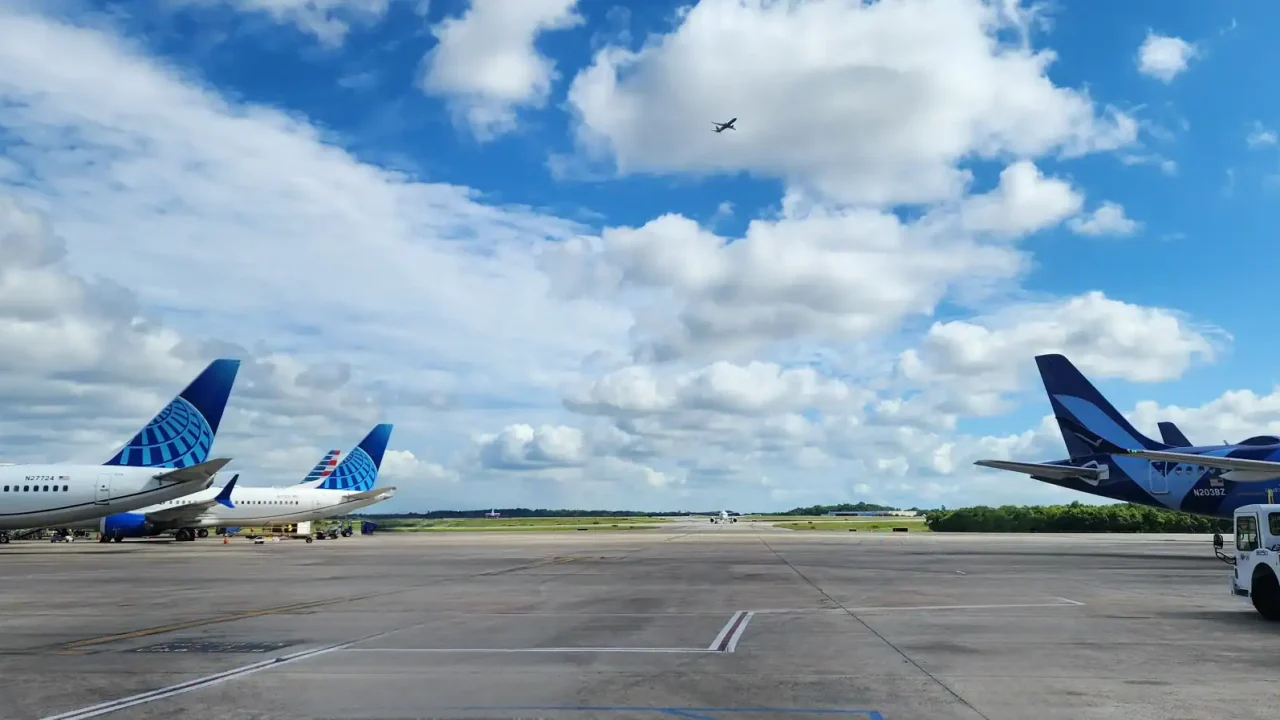
Up to 75% of flight cancellations at Charleston International Airport on March 24, 2026, were traced back to a single regional carrier — and hundreds of passengers paid the price with missed connections, stranded layovers, and scrambled travel plans.
Charleston International Airport (CHS) recorded 12 cancellations and 33 delays in a single day, with the bulk of the disruption pinned on Republic Airways, which operates regional flights under the United Express and American Eagle banners. What unfolded was a cascading breakdown driven by pilot shortages and crew positioning failures — the kind of operational collapse that doesn’t just inconvenience travelers, it strands them.
If you were flying out of Charleston that day — or had a connecting flight routed through it — here’s what happened and why it matters for anyone planning regional air travel in the weeks ahead.
What Triggered the Charleston Airport Meltdown
The core problem was staffing. Republic Airways, one of the largest regional carriers in the United States, ran into severe pilot shortages combined with what aviation observers describe as crew positioning failures — situations where the right crew members simply aren’t in the right place at the right time to operate scheduled flights.
When a regional airline loses crew availability at a hub like Charleston, the effects don’t stay contained. Flights get pulled from the schedule, which delays incoming aircraft, which then affects outbound departures at the destination airports. One cancellation can ripple outward across dozens of flights over the course of a day.
Republic Airways operates a significant share of the regional flights departing from CHS. When that operation stumbled, there wasn’t enough redundancy in the system to absorb the shock — and passengers bore the consequences directly.
By the Numbers: What Happened at CHS on March 24
| Disruption Type | Number Reported |
|---|---|
| Flight Cancellations | 12 |
| Flight Delays | 33 |
| Share Attributed to Republic Airways | Up to 75% |
Those numbers may look manageable in isolation, but for a regional airport like Charleston — which doesn’t operate the kind of high-frequency flight schedules seen at major hubs — 12 cancellations in a single day represents a serious blow to passenger flow. With fewer flight options available, rebooking becomes far more difficult than it would be at a larger airport.
The routes most affected were those connecting Charleston to major hubs, including:
- Chicago O’Hare (ORD)
- Charlotte Douglas International (CLT)
- Washington D.C. — Ronald Reagan National (DCA) and Dulles International (IAD)
These aren’t obscure routes. They’re primary connections for business travelers, commuters, and passengers catching onward international flights. A cancellation on any one of these corridors can mean missing a transatlantic departure or a critical meeting with no same-day alternative.
Why Regional Airports Feel This Kind of Crisis So Much Harder
Passengers flying out of large airports like Atlanta, Dallas, or New York have options. If one carrier cancels, another flight to the same destination may leave within the hour. Regional airports don’t work that way.
At Charleston, Republic Airways handles a large portion of the regional flying. That concentration means the airport’s overall reliability is heavily tied to one carrier’s operational health. When Republic falters — whether from pilot shortages, crew scheduling problems, or both — there’s no ready substitute to pick up the slack.
This is a structural vulnerability that affects regional airports across the country, not just Charleston. The pilot shortage that has been squeezing regional carriers for years hasn’t gone away. Crew positioning failures — where logistics and scheduling systems fail to align available pilots with available aircraft — add another layer of fragility on top of an already stretched workforce.
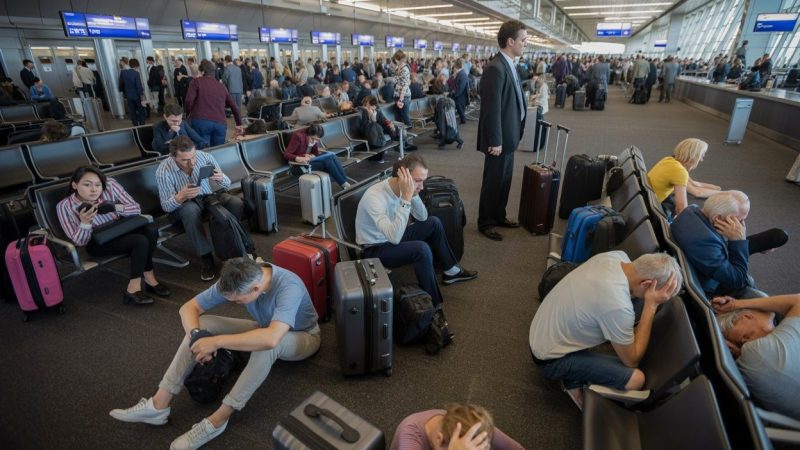
For passengers, the practical reality is stark: fewer flights, longer waits, and rebooking options that may push departures by a full day or more.
Who Was Most Affected and What They Faced
The disruption hit travelers flying to and through some of the busiest connecting hubs in the eastern United States. Passengers heading to Chicago, Charlotte, or Washington D.C. found themselves facing a difficult set of choices — wait for the next available flight, seek ground transportation, or try to rebook through an entirely different routing.
For those with tight connections at hub airports, the math was unforgiving. A cancelled morning departure to Charlotte doesn’t just mean a delayed arrival in Charlotte — it can mean missing a connecting flight to London, Toronto, or anywhere else served by those hubs.
The ripple effect on regional travel throughout the area was described as widespread, particularly for passengers moving through smaller hubs with limited alternative service. When the first domino falls at a place like Charleston, the chain reaction can extend far beyond the airport’s own flight board.
What Travelers Should Watch For Going Forward
The disruptions recorded on March 24 were significant, but the underlying causes — pilot shortages and crew positioning failures at Republic Airways — are not issues that resolve overnight. Regional carriers have been managing constrained pilot pipelines for years, and staffing pressures don’t disappear after a single bad day of operations.
Anyone flying through Charleston International Airport on routes operated by United Express or American Eagle — both of which rely on Republic Airways for regional flying — should take practical precautions:
- Check your flight’s operating carrier before departure, not just the marketing carrier listed on your ticket
- Build buffer time into connections, especially at hub airports like Charlotte and Chicago O’Hare
- Sign up for real-time flight alerts so cancellations reach you before you’re already at the airport
- Know your rebooking rights — airlines are required to rebook passengers on cancelled flights at no additional charge
- Consider travel insurance if your itinerary involves tight connections through regional airports
Officials have noted that disruptions of this scale at regional airports tend to have outsized effects on local economies and business travel patterns, particularly when the affected routes link smaller cities to major commercial and government centers like Washington D.C.
Whether Republic Airways moves quickly to stabilize its crew operations at Charleston remains to be seen. What’s already clear is that the passengers caught in the middle of March 24’s meltdown experienced firsthand how fragile regional air travel can be when staffing systems fail.
Frequently Asked Questions
What caused the flight cancellations and delays at Charleston International Airport?
The disruptions were primarily caused by pilot shortages and crew positioning failures at Republic Airways, which operates regional flights for United Express and American Eagle.
How many flights were cancelled and delayed at Charleston on March 24, 2026?
Charleston International Airport recorded 12 cancellations and 33 delays on that single day, with up to 75% of cancellations attributed to Republic Airways.
Which routes were most affected by the Charleston airport disruptions?
Flights connecting Charleston to Chicago O’Hare (ORD), Charlotte Douglas (CLT), and Washington D.C. — including both Reagan National (DCA) and Dulles (IAD) — were among the most impacted.
Is Republic Airways the main carrier at Charleston International Airport?
According to the source reporting, Republic Airways operates a large portion of the regional flights from Charleston, which is why its staffing problems had such a significant effect on the airport’s overall cancellation rate.
Will these disruptions continue beyond March 24?
This has not been confirmed in the available reporting, but the underlying causes — pilot shortages and crew positioning failures — are known to be ongoing pressures for regional carriers and are unlikely to resolve immediately.
What should I do if my flight through Charleston is cancelled?
Passengers affected by cancellations are entitled to rebooking at no extra charge; checking your operating carrier in advance and building extra connection time into your itinerary can help reduce the risk of being stranded.



Leave a Reply