
Marcus Delray signed a lease for a two-bedroom apartment in Tulsa, Oklahoma for $875 a month in January — the same week his former college roommate in Austin, Texas locked in a one-bedroom for $1,900. That gap — $1,025 a month, or $12,300 a year — is exactly what a cost-of-living index looks like when it stops being a number and starts being your actual life.
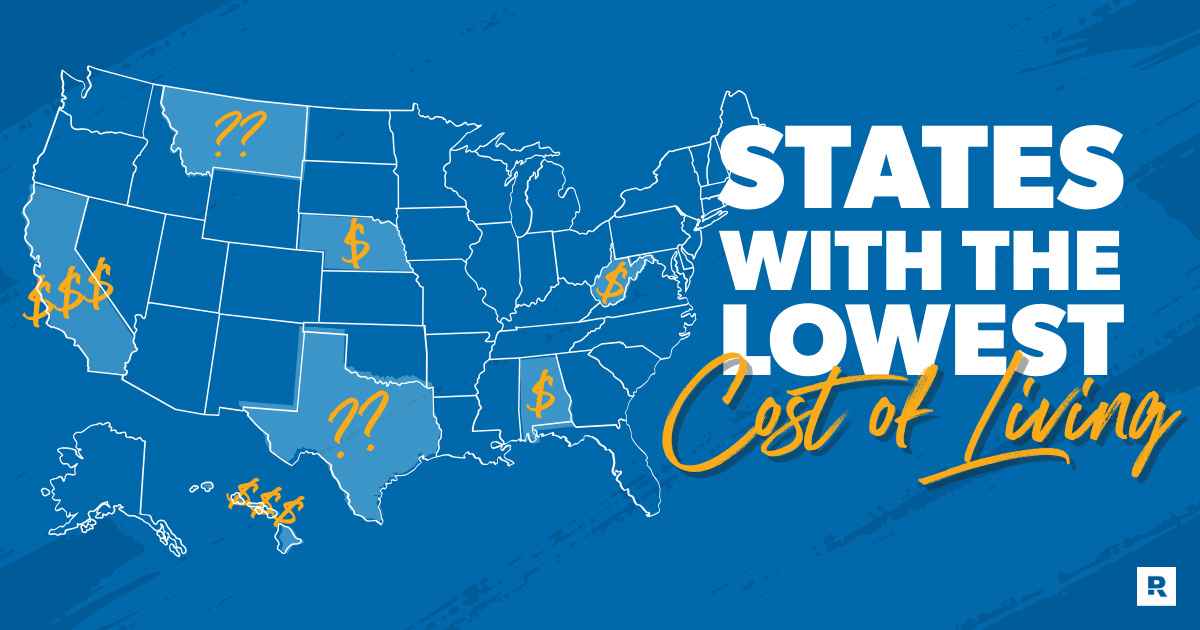
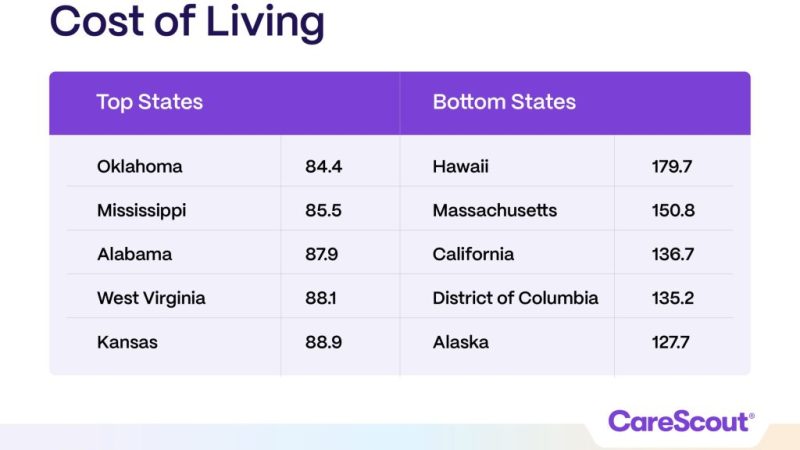
Oklahoma ranks #1 in the 2026 cost-of-living index at 85.5 — meaning residents pay roughly 14.5% less than the national average across every major spending category. A single adult living in Tulsa can cover housing, groceries, transportation, and healthcare for roughly $2,740/month. That same lifestyle costs $4,100+ in Denver, Colorado.
The Full 2026 Ranking: What You Actually Pay Each Month
Read more: Cheapest States to Live in America
The four cheapest states in 2026 are Oklahoma (85.5), Mississippi (~86.8), Alabama (~87.9), and Missouri (~88.2) — all clustered in the South and Midwest. Their indices mean a dollar stretches meaningfully further than anywhere on the coasts. Here’s what that looks like in real monthly spending for a single adult.
Housing in the Cheapest States: Rent vs. Own
In Lawton, Oklahoma — Comanche County, population ~91,000 — a one-bedroom apartment averages $720/month. In Tulsa, that number climbs to around $875 — still about half what a 1-bedroom costs in Phoenix’s Arcadia neighborhood ($1,680). Oklahoma City sits near $950/month for a one-bedroom.
Mississippi and Alabama rank among the friendliest states for renters in 2026, factoring in rent prices, unit availability, tenant protections, and overall quality of life. In Hattiesburg, Mississippi (Forrest County), a two-bedroom runs roughly $790/month. In Huntsville, Alabama (Madison County) — one of the fastest-growing metros in the Southeast — a comparable unit averages $1,010/month, still well below the national median.
Homebuyers get even better math. The median home price in Joplin, Missouri (Jasper County) sits near $178,000. At current 30-year mortgage rates (~6.8%), a 20% down on that home yields a monthly principal-and-interest payment of roughly $926 — less than renting a studio in Brooklyn, New York.
Groceries, Gas, and Daily Essentials
Groceries in Oklahoma run about 7–9% below national average. A weekly shopping cart for one person — eggs, chicken, produce, dairy — costs roughly $68 in Tulsa versus $90 in Seattle, Washington. Monthly grocery spend for a single adult averages $295–$340 in Oklahoma’s top metro areas.
The national average gas price on was $3.11 per gallon — up just 0.4% from $3.10 a year earlier. Oklahoma and Missouri consistently post prices 10–15 cents below that national figure. Tulsa drivers frequently see pump prices of $2.89–$2.96/gallon. For a driver logging 1,000
— a meaningful edge for commuters driving 25-plus miles daily in the Tulsa metro. That 15-cent gap saves a two-car household roughly $18–$22 per month compared to the national average.
#4 — Missouri: $1,820–$2,210/Month
Read more: Cheapest Oregon Towns 2026: Live Well on $2,000/Month
Springfield, Greene County, Missouri — population 169,000 — consistently lands among America’s most affordable mid-size cities. State income tax tops out at 4.8%, down from 5.4% after rate cuts. The median home sale price in Springfield hit $214,500 in , per Missouri Realtors Association data. Renters pay a median $795/month for a one-bedroom in the city core — compared to $1,640 in Kansas City’s Crossroads Arts District.
Missouri’s general sales tax is 4.225% — one of the lowest base rates in the Midwest. Local add-ons in Springfield bring effective retail tax to 8.1%, still below Missouri’s two largest metros. Utilities in Springfield average $128/month for a 900 sq ft apartment. That’s $44 below the U.S. Energy Information Administration’s national residential average of $172.
| Category | Springfield, MO | U.S. Average |
|---|---|---|
| Rent (1BR) | $795 | $1,510 |
| Utilities | $128 | $172 |
| Groceries | $305 | $380 |
| Transport | $310 | $420 |
| Monthly Total | ~$1,980 | ~$2,890 |
#5 — Iowa: $1,870–$2,290/Month
Iowa surprises skeptics. The state slashed its flat income tax to 3.8% as of — one of the steepest single-year rate drops in recent Midwest history. Cedar Rapids, Linn County (pop. 137,000) carries a median home price of $198,000. That’s roughly 61% below the national median of $412,000, per the U.S. Census Bureau Housing Vacancies Survey.
Cedar Rapids renters pay roughly $820/month for a one-bedroom. Healthcare costs run lean here too. Iowa ranks 9th nationally for lowest average employer health premium contributions, per KFF’s 2025 Employer Health Benefits Survey. The state also exempts Social Security income from taxation — a direct benefit for roughly 620,000 Iowa retirees.
#6 — Kansas: $1,900–$2,340/Month
Wichita, Sedgwick County is Kansas’s largest city and cheapest major metro — population 397,000. Median rent for a one-bedroom apartment sits at $835/month. State income tax runs 5.2% at the top bracket, but Kansas lawmakers passed a grocery food tax elimination effective — zeroing out the state’s infamous food sales tax that once hit 6.5%. A family of four saves an estimated $540/year from that single change alone.
Property taxes in Wichita average 1.29% of assessed value — moderate for the Plains. On a $195,000 home — Wichita’s approximate median — that’s $2,516/year, or about $210/month added to housing costs. Even with that included, total housing costs in Wichita remain far below the national median.
#7 — Tennessee: $1,950–$2,450/Month
Read more: West Virginia 2026: Full Life Under $2,100/Month in Charleston
Tennessee has no state income tax — and hasn’t since the Hall Income Tax was fully repealed in . The trade-off: sales tax of 7% (state) plus local rates pushing effective rates to 9.25–9.75% in most counties — among the highest combined rates nationally. Still, the zero income tax advantage is enormous for mid-to-high earners. A household earning $85,000/year saves roughly $4,000–$5,500 annually versus living in California or New York.
Clarksville, Montgomery County (pop. 176,000) — 45 miles northwest of Nashville — is Tennessee’s affordability secret. Median home price: $285,000. One-bedroom rent: $975/month. That’s sharply below Nashville’s Davidson County median rent of $1,590. Clarksville’s proximity to Fort Campbell drives stable housing demand without luxury pricing pressure seen in Williamson County.
#8 — West Virginia: $1,710–$2,150/Month
Raw dollar costs in West Virginia are the lowest of any state east of the Mississippi. Morgantown, Monongalia County — home to West Virginia University — offers a one-bedroom median rent of just $760/month. The state’s median home price stands at $162,000, per National Association of Realtors Q1 2026 data — the lowest statewide median in the country.
West Virginia’s income tax is being phased down aggressively. The top rate dropped to 4.82% in , with further cuts scheduled through under H.B. 2526. The caveat: median household income sits at $52,460 — 17th lowest nationally — meaning lower costs reflect, in part, lower wages. Remote workers relocating here are the biggest financial winners.
Complete 2026 Ranking: All 10 Cheapest States by Monthly Cost
| Rank | State | Anchor City | Monthly Range | Income Tax (Top) |
|---|
Frequently Asked Questions

You Might Also Like

West Virginia 2026: Full Life Under $2,100/Month in Charleston
West Virginia's cost of living index sits at 83.2 — 17% below the U.S. average.…

Best States for Cost of Living in 2026: $50K Goes Further Here
In Oklahoma, a 1-bedroom rents for $795/month. These 5 states have cost-of-living indexes below 89…
Oklahoma Beats Every State on Affordability — $2,240/Month Total
Oklahoma leads 2026's most affordable states with a cost-of-living index of 85.5. A Tulsa adult…
Leave a Reply