
Some movies make you laugh once and fade from memory. Others make you laugh every single time — decade after decade — no matter how many times you’ve seen them. The classics that fall into that second category aren’t just funny. They’re masterpieces of craft, built on timing, character, and a kind of comic intelligence that most modern films struggle to match.
Comedy is often the most underappreciated genre in serious film discussion. Critics tend to reward drama, and awards shows have a long history of overlooking comedies entirely. But the best classic comedies have outlasted plenty of Oscar winners. They’re still being quoted, still being rewatched, and still making new fans who can’t believe they waited so long to see them.
The topic here — classic comedy films that hold up as genuine masterpieces — draws from a rich history of Hollywood and international cinema. Based on widely recognized critical consensus and enduring audience appeal, here’s a look at what makes these films so durable, and why they deserve to stay on your watchlist.
Why Classic Comedies Age Better Than You’d Expect
There’s a common assumption that comedy ages poorly. References go stale, cultural contexts shift, and what felt transgressive or surprising in one era can feel dated in another. That’s true of a lot of comedies. But the films that rise to masterpiece level tend to survive that erosion because their humor is rooted in something deeper than a joke about current events.
The best classic comedies work because of character. When you’re watching Cary Grant fumble through a misunderstanding or Buster Keaton face down an oncoming train with absolute deadpan composure, you’re not laughing at a reference. You’re laughing at a human being in an impossible situation — and that never stops being funny.
Timing also plays a massive role. The greatest comedic filmmakers understood that a joke is as much about what the camera does as what the actor says. Editing rhythm, shot composition, the precise moment a door swings open — these are technical choices that separate a funny movie from a masterpiece of comedy filmmaking.
What Makes a Comedy Film a True Masterpiece
Not every beloved comedy qualifies. A masterpiece isn’t just a film people remember fondly — it’s one that demonstrates genuine artistic achievement while also being genuinely, consistently funny. A few defining qualities tend to separate the masterpieces from the merely good:
- Timeless comic premise — The central conflict or situation could be transplanted to almost any era and still generate laughs.
- Layered performance — The best comedic actors are doing something technically extraordinary that looks effortless.
- Directorial precision — Every scene serves the comedy, and nothing is wasted.
- Emotional grounding — The funniest films usually have a real emotional core that makes the comedy land harder.
- Rewatchability — A masterpiece reveals new jokes or layers on repeat viewings.
Films that check all of these boxes are rare. But cinema history has produced enough of them to fill a genuinely impressive list.
Classic Comedy Films That Still Hold Up Today
The following table reflects a cross-section of widely celebrated classic comedies, spanning different eras and styles, all recognized for their lasting critical and cultural impact.
| Film | Era | Style of Comedy | Why It Still Works |
|---|---|---|---|
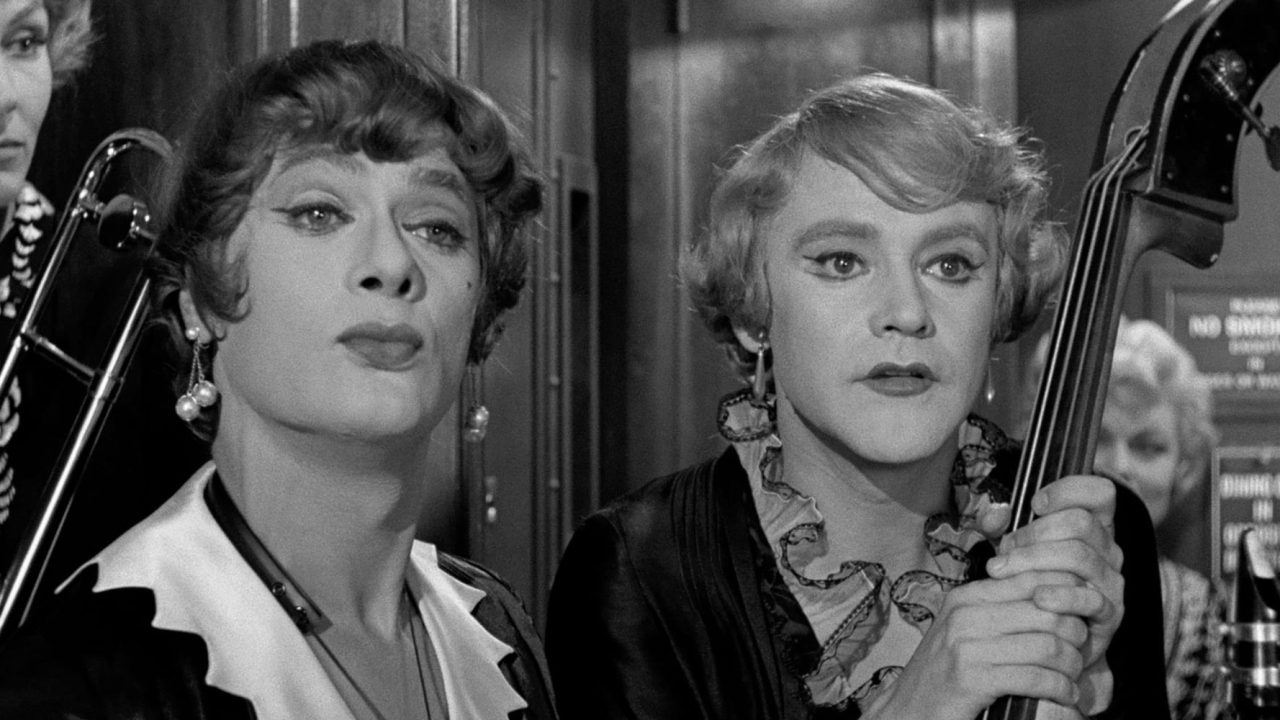
| Some Like It Hot (1959) | Late Classic Hollywood | Screwball / Farce | Impeccable pacing, iconic performances, endlessly quotable |
| Singin’ in the Rain (1952) | Golden Age Hollywood | Musical Comedy | Joyful, technically brilliant, emotionally warm |
| Dr. Strangelove (1964) | New Hollywood | Satire / Black Comedy | Political satire that feels more relevant with every passing decade |
| Monty Python and the Holy Grail (1975) | 1970s | Absurdist / Parody | Surreal logic so consistent it becomes its own comedic universe |
| Annie Hall (1977) | 1970s | Romantic Comedy / Meta | Broke structural rules in ways that still feel fresh |
| Airplane! (1980) | 1980s | Spoof / Slapstick | Joke density so high that repeat viewings always surface something new |
| Ferris Bueller’s Day Off (1986) | 1980s | Teen Comedy | Captures a feeling of youth and freedom that transcends its decade |
| Groundhog Day (1993) | 1990s | Fantasy Comedy | Philosophical depth beneath a brilliantly simple comic premise |
| The Big Lebowski (1998) | 1990s | Deadpan / Neo-Noir Comedy | Character work so specific it created an entire cult following |
| Superbad (2007) | 2000s | Coming-of-Age Comedy | Honest, embarrassing, and surprisingly touching underneath the raunchiness |
The Films Most Likely to Surprise First-Time Viewers
A few films on any classic comedy list tend to surprise people who come to them late. Dr. Strangelove is one — audiences who expect a dated Cold War relic often find a film that feels disturbingly current. The satirical targets have simply changed names.
Some Like It Hot is another. People assume a 1959 comedy about cross-dressing will feel awkward by modern standards. Instead, most first-time viewers are stunned by how genuinely, relentlessly funny it is from the first scene to the last line.
Groundhog Day is perhaps the most underrated on the list in terms of its depth. What looks like a high-concept gimmick turns out to be a carefully constructed meditation on meaning, repetition, and personal change — wrapped in one of Bill Murray’s most controlled and layered performances.
Why These Films Matter Beyond the Laughs
Classic comedies rarely get the cultural preservation treatment that dramas do. Film schools spend more time on Citizen Kane than on Some Like It Hot, despite the fact that both are exercises in extraordinary filmmaking. That imbalance has slowly started to shift as critics and historians make stronger cases for comedy as a serious art form.
The films on this list aren’t just entertainment — they’re evidence of what cinema can do when it commits fully to making an audience feel something joyful. That’s harder than it looks, and it deserves more recognition than it typically gets.
If you haven’t revisited these films recently, or haven’t seen some of them at all, the case for watching them is straightforward: they are among the best films ever made in any genre, and they will make you laugh out loud.
Frequently Asked Questions
What makes a comedy film a “classic masterpiece” rather than just a popular movie?
A masterpiece combines consistent laughs with strong craft — precise direction, layered performances, and a timeless premise that holds up across decades and rewatches.
Do classic comedies really hold up today, or do they feel dated?
The best ones hold up remarkably well because their humor is rooted in character and situation rather than topical references, which means they remain funny regardless of when you watch them.
Which classic comedy is best for someone who doesn’t usually watch older films?
Films like Groundhog Day and Ferris Bueller’s Day Off tend to connect immediately with modern audiences, as their premises and emotional cores feel entirely contemporary despite their age.
Why don’t comedies get more recognition in serious film discussions?
Comedy is historically undervalued in awards and critical circles, which tend to favor drama — though that perception has been slowly shifting as film historians make stronger cases for comedic craft.
Is Superbad really in the same category as films like Dr. Strangelove or Some Like It Hot?
Critical consensus increasingly treats Superbad as a modern classic of the coming-of-age comedy genre, recognized for its emotional honesty and the quality of its performances alongside its humor.
Where can I watch these classic comedies today?
Availability varies by platform and region, but most of these films rotate across major streaming services including Max, Peacock, and the Criterion Channel, and are widely available for digital rental or purchase.


Leave a Reply