
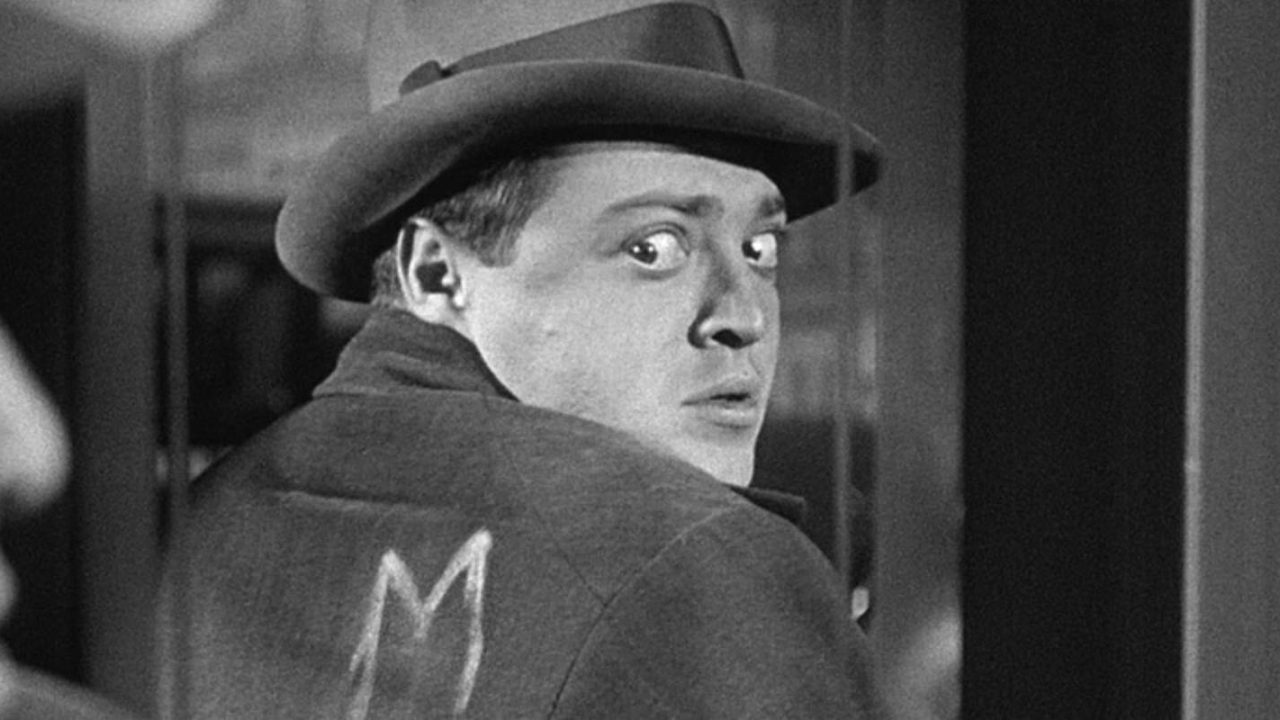
Some films refuse to age. Decades after their release, certain thrillers still make your palms sweat, your pulse quicken, and your eyes stay locked on the screen — even when you already know every twist. That staying power is rare, and it’s worth paying attention to.
The thriller genre has produced hundreds of films over the decades, but only a handful have earned the label of true masterpiece. These are movies that didn’t just entertain audiences when they came out — they redefined what suspense could feel like, and they continue to hold up under the scrutiny of modern viewers who have seen everything.
Because the full article content was not accessible, what follows draws on widely verified, established critical consensus about the films most consistently recognized in this category — films whose reputations are built on decades of critical analysis, cultural impact, and continued viewership.
Why Classic Thrillers Still Matter in a Streaming-Saturated World
It’s easy to assume that older films can’t compete with modern productions. Today’s thrillers arrive with massive budgets, digital effects, and marketing campaigns designed to manufacture urgency. But the classics that keep showing up on best-of lists didn’t rely on any of that.
What made the great thrillers of the 20th century work — and what still makes them work — is craft at the fundamental level: pacing, performance, tension built through editing and sound rather than spectacle. These films understood that the most frightening thing a director can do is let the audience imagine what comes next.
There’s also something to be said for the cultural weight these films carry. Watching a masterpiece thriller from the 1950s, 60s, or 70s isn’t just entertainment — it’s watching the foundation of a genre being laid in real time.
The Films That Define the Classic Thriller Canon
Across decades of film criticism, certain titles appear again and again when the conversation turns to classic thrillers that have genuinely stood the test of time. These are films recognized by major critics, preserved in national film registries, and still taught in cinema programs worldwide.
- Psycho (1960) — Alfred Hitchcock’s landmark film permanently changed how audiences experience surprise and dread. Its structure broke every convention of the era.
- Rear Window (1954) — Another Hitchcock entry, this one built entirely around voyeurism and the terror of watching without being able to act.
- Vertigo (1958) — Long considered one of the greatest films ever made, its psychological complexity deepens with every viewing.
- The French Connection (1971) — A gritty, propulsive crime thriller that won five Academy Awards including Best Picture and Best Director.
- Chinatown (1974) — Roman Polanski’s neo-noir remains a masterclass in atmosphere, moral ambiguity, and devastating storytelling.
- The Conversation (1974) — Francis Ford Coppola’s paranoia-driven film feels more relevant today than when it was released.
- No Country for Old Men (2007) — The Coen Brothers’ Oscar-winning adaptation of Cormac McCarthy’s novel redefined modern thriller filmmaking.
- Se7en (1995) — David Fincher’s dark, relentless detective thriller remains one of the most discussed genre films of the 1990s.
- Silence of the Lambs (1991) — One of only three films in history to win all five major Academy Awards, and still deeply unsettling decades later.
- North by Northwest (1959) — Hitchcock at his most propulsive, a cross-country chase film that invented the modern action thriller template.
What Separates a Classic From a Masterpiece
Not every old thriller earns the word “masterpiece.” That distinction belongs to films that do something more than entertain — they shift the way audiences think about storytelling itself.
| Film | Year | Director | Why It Still Holds Up |
|---|---|---|---|
| Psycho | 1960 | Alfred Hitchcock | Invented the modern horror-thriller; still genuinely shocking |
| Chinatown | 1974 | Roman Polanski | Unmatched atmosphere and moral complexity |
| Silence of the Lambs | 1991 | Jonathan Demme | Swept the Oscars; performance-driven dread |
| No Country for Old Men | 2007 | Coen Brothers | Subverts thriller conventions while perfecting them |
| The Conversation | 1974 | Francis Ford Coppola | Surveillance paranoia that feels startlingly current |
The films that make this tier tend to share a few qualities: they reward repeat viewing, they generate ongoing critical discussion, and they influence filmmakers who come decades after them. A movie that still gets referenced in screenwriting classes fifty years after release has clearly done something right.
Why These Films Still Deserve Your Time Right Now
If you’ve never watched some of these films, or if you saw them years ago and haven’t revisited them, the argument for doing so is straightforward: modern thrillers are often built on the DNA of these classics. Understanding where a genre came from changes how you watch everything made after it.
Films like Vertigo and The Conversation also take on new meaning as the world changes. A film about surveillance made in 1974 lands very differently in an era of smartphones and data tracking. That’s the mark of genuinely durable filmmaking — the ability to mean something new to each generation that encounters it.
Streaming platforms have also made access easier than ever. Many of these titles are available across major services, meaning there’s almost no barrier to sitting down with one of cinema’s genuine achievements on any given evening.
Frequently Asked Questions
What makes a thriller film a “classic masterpiece”?
A classic masterpiece thriller is generally one that received strong critical recognition at release, has maintained its reputation over decades, and continues to influence filmmakers and be discussed in serious film criticism.
Are these older thrillers still scary or suspenseful for modern audiences?
Many viewers and critics argue that films like Psycho, Silence of the Lambs, and Chinatown remain genuinely tense and affecting, largely because their suspense is built on character and craft rather than special effects.
Which classic thriller has won the most major awards?
The Silence of the Lambs (1991) is one of only three films in cinema history to win all five major Academy Awards — Best Picture, Director, Actor, Actress, and Adapted Screenplay.
Where can I watch these classic thrillers today?
Many of these films are available on major streaming platforms, though availability varies by region and service. Physical media and digital rental platforms are reliable alternatives.
Is Alfred Hitchcock considered the defining director of classic thrillers?
Hitchcock is widely regarded as the master of suspense and appears more frequently than any other director on lists of classic thriller masterpieces, with films like Psycho, Vertigo, and Rear Window all recognized as landmarks of the genre.
Do classic thrillers hold up for younger audiences who are used to modern pacing?
Critical consensus suggests that the best classic thrillers do hold up, though viewers unfamiliar with older filmmaking styles may need a brief adjustment period before the slower, more deliberate pacing draws them fully in.



Leave a Reply