
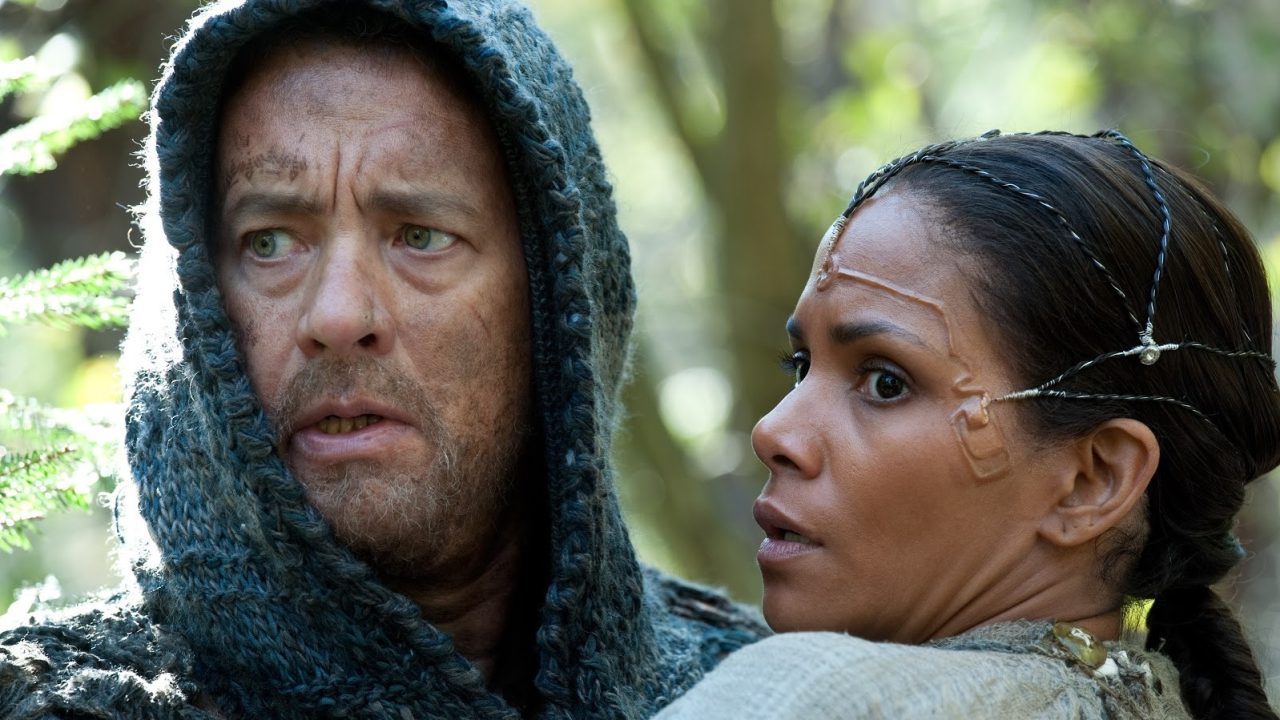
Some movies arrive before the world is ready for them. Cloud Atlas, the sprawling 2012 science fiction epic directed by the Wachowskis and Tom Tykwer, may be the clearest example of that in recent Hollywood history. It bombed at the box office, confused critics, and was largely dismissed as an overambitious misfire. Now, more than a decade later, it keeps finding new audiences — and the people who stuck with it are increasingly convinced they were right all along.
The film stars Tom Hanks, Halle Berry, Jim Broadbent, Hugo Weaving, Jim Sturgess, and Doona Bae, among others — each playing multiple roles across six interconnected storylines spanning hundreds of years. It is, by almost any measure, one of the most structurally daring mainstream films ever made. And it cost a reported $102 million to produce, most of it raised independently outside the traditional studio system.
That ambition did not translate to ticket sales in 2012. But 14 years later, the conversation around Cloud Atlas has quietly, stubbornly refused to die.
What Cloud Atlas Actually Is — And Why It Was Always a Hard Sell
Based on David Mitchell’s 2004 novel of the same name, Cloud Atlas tells six separate stories set across wildly different time periods and genres — from a 19th-century sea voyage to a post-apocalyptic future society. The central idea is that souls are reincarnated across time, and that individual acts of courage or cruelty echo forward through history in ways we can’t always trace.
That is a genuinely difficult concept to sell in a two-and-a-half-minute trailer. The film runs nearly three hours. It asks audiences to track the same actors through radically different makeup, accents, and moral contexts. It does not hold your hand.
For mainstream audiences in 2012, that was too much. Critics were divided. Some called it a masterpiece. Others called it an incoherent mess. Most general audiences simply didn’t show up.
But the film never really disappeared. It found a second life on home video, then streaming, and each new wave of viewers seems to discover something in it that feels newly urgent.
Why the Film Feels More Relevant Now Than It Did at Release
Part of what makes Cloud Atlas age so well is that its themes — the cyclical nature of oppression, the way power structures repeat themselves across time, the idea that ordinary people can disrupt systems built to crush them — have only grown more pointed as the years have passed.
The film doesn’t present history as progress. It presents it as a loop, one where the same battles over freedom, exploitation, and human dignity play out again and again in different costumes. That reading feels less like philosophy and more like journalism depending on the week you watch it.
Tom Hanks, in particular, carries a remarkable arc across the film’s six timelines. He plays characters ranging from a villainous doctor to a post-apocalyptic tribesman to a future hotel manager — each one a different shade of moral complexity. It is some of the most genuinely experimental work of his career, which is saying something for an actor with two Academy Awards.
The Numbers Behind a Box Office Disappointment That Wouldn’t Stay Forgotten
| Detail | Information |
|---|---|
| Release Year | 2012 |
| Directors | The Wachowskis and Tom Tykwer |
| Reported Production Budget | $102 million |
| Source Novel | Cloud Atlas by David Mitchell (2004) |
| Runtime | Nearly three hours |
| Key Cast | Tom Hanks, Halle Berry, Jim Broadbent, Hugo Weaving, Jim Sturgess, Doona Bae |
| Years Since Release | 14 years (as of 2026) |
The film’s financial underperformance at the time of release was significant enough that it became a cautionary tale about the limits of auteur ambition in mainstream cinema. And yet the conversation it generated never fully closed.
The Part of This Story Most People Miss
What tends to get lost in the “box office flop” narrative is just how genuinely unusual it is for a film this structurally complex to have been made at this scale at all. The Wachowskis and Tykwer were not making a small independent film. They were making something that looked and felt like a major studio epic while telling a story that no major studio would have greenlit on its own terms.
The independently financed production model that made Cloud Atlas possible was itself a kind of act of defiance — a bet that audiences existed for something this ambitious, even if the industry didn’t believe it.
That bet lost money in 2012. But it may be winning the longer argument. Films that challenge audiences rarely dominate their opening weekends. They tend to accumulate meaning over time, finding the viewers who needed exactly what they were offering, just not on the industry’s schedule.
What Keeps Drawing New Viewers Back to Cloud Atlas
Streaming has been the great equalizer for films like this one. Without the pressure of a theatrical window, viewers can approach Cloud Atlas on their own terms — pausing, rewinding, sitting with it across two nights instead of one. The film rewards that kind of attention in ways that a single theatrical viewing often couldn’t capture.
The result is a slow-building reputation that now, 14 years on, positions Cloud Atlas less as a failed blockbuster and more as a genuinely singular piece of filmmaking that the market simply wasn’t structured to receive properly when it arrived.
Whether that constitutes a full critical rehabilitation is still being debated. But the fact that the debate is still happening at all — that people are still writing about it, still recommending it, still arguing over what it means — suggests the film did something right that the box office totals never captured.
Frequently Asked Questions
What is Cloud Atlas about?
Cloud Atlas tells six interconnected stories set across different historical periods and genres, based on the idea that souls are reincarnated across time and that individual actions echo through history.
Who directed Cloud Atlas?
The film was co-directed by the Wachowskis and Tom Tykwer.
How much did Cloud Atlas cost to make?
The film had a reported production budget of $102 million, largely raised through independent financing outside the traditional studio system.
Who stars in Cloud Atlas alongside Tom Hanks?
The ensemble cast includes Halle Berry, Jim Broadbent, Hugo Weaving, Jim Sturgess, and Doona Bae, among others, each playing multiple roles across the film’s storylines.
Is Cloud Atlas based on a book?
Yes. The film is adapted from David Mitchell’s 2004 novel of the same name.
Why did Cloud Atlas fail at the box office?
The film’s nearly three-hour runtime, complex multi-timeline structure, and unconventional storytelling made it a difficult sell to mainstream audiences in 2012, despite its major cast and significant budget.

Leave a Reply