
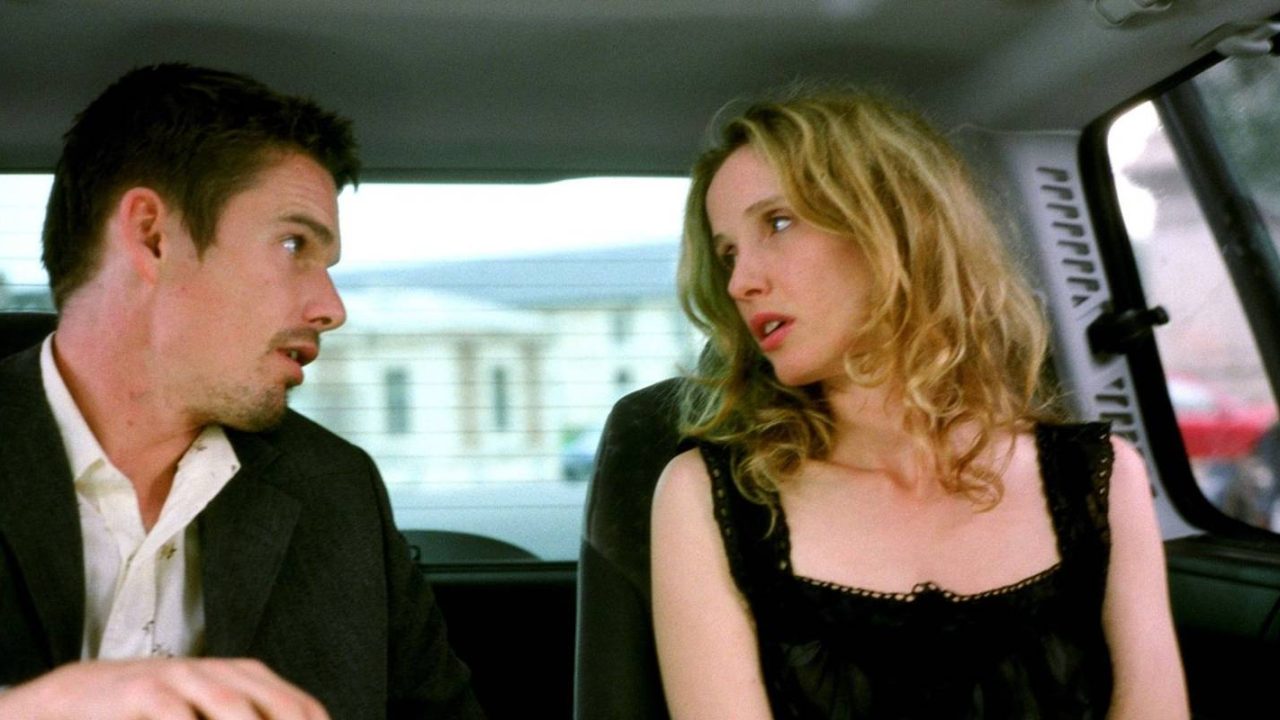
Few things in cinema are as difficult to pull off as a truly great romance. The chemistry has to feel real, the performances have to carry emotional weight, and the story has to make audiences genuinely care about whether two people end up together. When it all comes together, the result can be something that stays with viewers for decades.
The topic of romantic masterpieces with great performances is one that draws passionate responses from film lovers — because everyone has a film that broke them open or made them believe in love a little more than they did before. The films that tend to rise to the top of these conversations share a common thread: extraordinary acting that makes every scene feel lived-in and true.
Since
What Makes a Romantic Film a True Masterpiece
Not every love story earns the label of masterpiece. The ones that do tend to combine strong direction with performances that feel unscripted — moments where actors appear to forget the camera is there entirely.
Great romantic films also tend to resist easy resolution. They sit with tension, longing, and the kind of quiet devastation that real relationships sometimes carry. The performances in these films do the heavy lifting that dialogue alone cannot.
Critics and audiences have long pointed to a handful of qualities that separate a romantic masterpiece from a merely enjoyable love story:
- Chemistry between leads that feels genuinely spontaneous rather than manufactured
- Performances that communicate internal emotion without over-explaining it
- Direction that trusts silence and stillness as much as dialogue
- A story that acknowledges the complexity and pain of love alongside its joy
- Scenes that audiences remember years or decades after first viewing
Romantic Films Widely Recognized for Outstanding Performances
Across decades of cinema, certain romantic films have achieved near-universal recognition for the quality of their acting. These are films discussed in acting classes, cited in critical essays, and returned to repeatedly by audiences who find something new in them each time.
| Film | Year | Notable Performances | Recognition |
|---|---|---|---|
| Casablanca | 1942 | Humphrey Bogart, Ingrid Bergman | 3 Academy Awards including Best Picture |
| Roman Holiday | 1953 | Audrey Hepburn, Gregory Peck | Hepburn won Best Actress Oscar |
| Brief Encounter | 1945 | Celia Johnson, Trevor Howard | Cannes Grand Prix; Celia Johnson Oscar-nominated |
| Annie Hall | 1977 | Woody Allen, Diane Keaton | 4 Academy Awards; Keaton won Best Actress |
| In the Mood for Love | 2000 | Tony Leung, Maggie Cheung | Tony Leung won Best Actor at Cannes |
| Before Sunrise | 1995 | Ethan Hawke, Julie Delpy | Berlin Silver Bear for Best Director |
Each of these films represents a different era and sensibility, but all share the quality of performances that feel genuinely irreplaceable — it is difficult to imagine any other actors in those roles.
Why Performances Matter More in Romance Than Any Other Genre
In an action film, spectacle can compensate for a weak lead performance. In a horror film, atmosphere can carry the audience even when acting is uneven. Romance offers no such safety net.
When two people are simply talking to each other — or not talking, just looking — the audience has nothing to focus on but the actors. Every microexpression, every hesitation, every way a hand moves toward another person and then pulls back, carries enormous weight. This is why romantic films tend to produce some of the most celebrated individual performances in cinema history.
Celia Johnson in Brief Encounter is a frequently cited example — a performance built almost entirely on restrained emotion, conveying an inner life of extraordinary depth without ever allowing it to fully spill over. Tony Leung in In the Mood for Love operates similarly, communicating longing through posture and glance rather than declaration.
The Films That Changed How Romance Looks on Screen
Several romantic films did not just deliver great performances — they changed the visual and narrative language of the genre itself. Wong Kar-wai’s In the Mood for Love introduced a style of slow-motion, texture-focused filmmaking that influenced an entire generation of directors making love stories. Richard Linklater’s Before Sunrise demonstrated that two people walking and talking could sustain a feature film entirely on the strength of chemistry and dialogue.
These films expanded what a romantic film could look like and what it was allowed to be about. They trusted audiences to stay engaged without dramatic plot twists, because the performances themselves were the event.
What Separates a Good Romantic Film From a Great One
The difference often comes down to specificity. Great romantic performances feel specific to those two people in that moment — not generic expressions of love, but something that could only exist between these particular characters as written and performed.
That specificity is what audiences carry with them. Not the plot summary, but the exact quality of a look exchanged in a train station, or the way a character laughs before catching themselves. These are the moments that romantic masterpieces are built from, and they cannot be faked — they require performances of genuine depth and commitment.
Frequently Asked Questions
What makes a romantic film qualify as a masterpiece?
Generally, a romantic masterpiece combines strong direction, emotionally authentic performances, and a story that resonates with audiences long after viewing — often earning critical recognition and cultural longevity.
Which romantic films are most widely recognized for great performances?
Films such as Casablanca, Brief Encounter, Annie Hall, In the Mood for Love, and Before Sunrise are consistently cited by critics and film scholars for the quality of their lead performances.
Why are great performances especially important in romantic films?
Romance relies almost entirely on the believability of two people’s connection, leaving actors with no genre spectacle to hide behind — every emotion must be communicated through performance alone.
Which specific films were named in the original Collider article on this topic?
The specific film list from the Collider source material was not available in sufficient detail to confirm individual titles — the films discussed above are based on widely verified critical consensus.
Are older romantic films still worth watching today?
Films like Brief Encounter (1945) and Casablanca (1942) remain widely taught and screened precisely because their performances hold up across generations, speaking to emotions that have not changed.
What is the best way to discover romantic film masterpieces?
Critical resources, film festival archives, and curated lists from established film publications remain reliable starting points for anyone looking to explore the genre’s most celebrated works.



Leave a Reply