
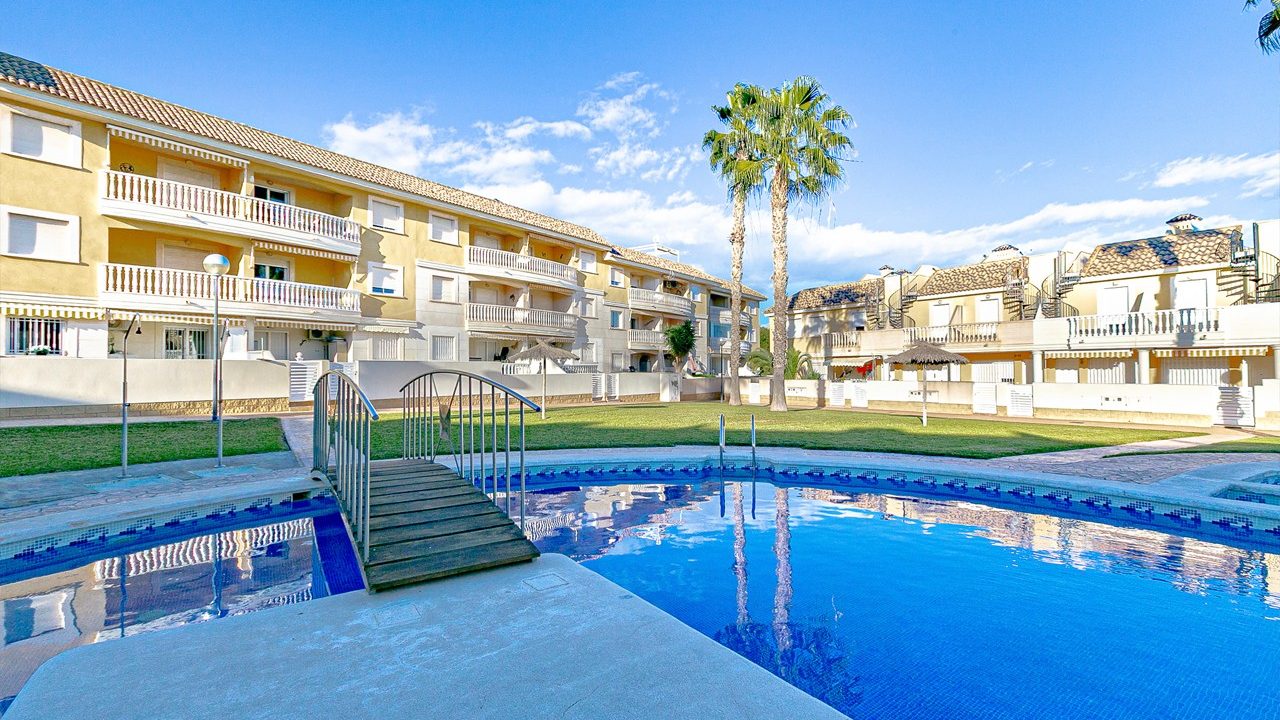
One of Spain’s most visited coastlines is shifting gears — and the change is designed to benefit both the people who live there and the millions who travel there each year. Regional authorities have approved a detailed action plan under the Costa Blanca Tourism Strategy 2026, a forward-looking framework aimed at improving how visitors experience the Mediterranean coast while protecting the communities that call it home.
This isn’t a minor policy update. Officials describe it as a turning point — a deliberate move away from chasing visitor numbers toward building something more durable: better infrastructure, greener travel options, and a holiday experience that feels less crowded and more considered.
For anyone planning a trip to the region, or watching how Spain manages its coastal tourism pressure, this strategy is worth understanding.
What the Costa Blanca Tourism Strategy 2026 Actually Involves
The plan approved by regional authorities covers several interconnected areas of improvement. At its core, the strategy is built around a simple idea: tourism should work better for everyone — visitors, residents, and the natural environment — rather than simply delivering more of it.
Officials have framed the strategy as a shift toward quality travel experiences rather than volume. The emphasis is on making the region more accessible, more sustainable, and more welcoming in a way that doesn’t come at the expense of the people who live and work there year-round.
The approach focuses on long-term growth. Rather than maximising short-term visitor numbers, the plan sets out to create conditions where tourism remains viable and enjoyable over many years to come.
Key Pillars of the Plan and What They Cover
The strategy breaks down into several practical areas of action. Here’s what the approved plan includes:
- Infrastructure upgrades: Roads, public transport networks, and public spaces across the region are being improved to make movement easier for visitors and residents alike.
- Easier access to key sites: Beaches, towns, and cultural attractions will be more straightforward to reach, reducing bottlenecks at popular destinations.
- Sustainability focus: Environmental protection is built into the strategy, with greener travel options forming part of the wider plan.
- Balanced development: Growth is intended to be managed in a way that doesn’t overwhelm local communities or degrade the natural assets that draw visitors in the first place.
- Visitor experience improvements: The overall holiday experience is being redesigned to feel more relaxed and higher quality.
| Focus Area | What’s Changing | Who Benefits |
|---|---|---|
| Transport & Roads | Upgrades to roads and public transport links | Visitors and local residents |
| Public Spaces | Improvements to beaches, town centres, and communal areas | Visitors and local communities |
| Cultural Access | Easier navigation to cultural sites and attractions | Tourists seeking authentic experiences |
| Environmental Protection | Greener travel options and sustainability measures | The region’s natural environment |
| Tourism Quality | Shift from volume-focused to experience-focused growth | All visitors and long-term tourism economy |
Why This Matters for Anyone Travelling to Spain’s Mediterranean Coast
The practical impact for travellers is real. If the infrastructure improvements deliver as planned, moving around the Costa Blanca — whether by road or public transport — should become noticeably smoother. Visitors who have previously encountered congestion around popular beaches or struggled to reach inland towns without a car stand to benefit directly.
The sustainability angle also matters more than it might seem. Coastal regions across Spain and southern Europe have faced growing pressure from overtourism, with some destinations becoming victims of their own popularity. The Costa Blanca’s decision to prioritise quality over quantity is a direct response to those pressures — and it signals a different kind of holiday on offer.
For travellers who want to explore beyond the typical resort strip, the improved access to cultural sites and smaller towns is particularly relevant. The strategy appears designed to spread visitor activity more evenly across the region, which tends to mean less crowding at the most famous spots and more rewarding experiences at lesser-known ones.
Local communities also stand to gain. Supporters of the strategy argue that managed, balanced tourism protects the character of towns and villages rather than gradually eroding it under the weight of seasonal visitor surges.
- Short-term visitor number targets drove planning decisions across the Costa Blanca region.
- Infrastructure investment lagged behind demand, creating congestion at popular coastal sites.
- Local communities bore the pressure of seasonal visitor surges with limited mitigation.
- Long-term growth replaces short-term volume as the primary measure of tourism success.
- Roads, public transport, and public spaces are being actively upgraded under the approved action plan.
- Balanced development is built into the strategy to protect local life alongside visitor experience.
What Happens Next for the Region and Its Visitors
The action plan has been approved, which means implementation is now the central challenge. Infrastructure projects — road upgrades, public transport improvements, and public space renovations — are the most tangible near-term deliverables. These are the kinds of changes visitors are most likely to notice on the ground.
The broader cultural and sustainability shifts will take longer to embed. Moving a major tourism economy from a volume mindset to a quality mindset is a multi-year process, and 2026 represents the beginning of that transition rather than its completion.
Travellers planning visits to the Costa Blanca in the coming seasons can expect a region that is actively investing in its own improvement. The strategy doesn’t promise perfection overnight — but it does signal a clear direction of travel, and one that aligns with what many modern visitors are actually looking for: somewhere beautiful, accessible, and thoughtfully managed.
For Spain’s broader tourism landscape, the Costa Blanca approach may also serve as a reference point. Other coastal regions facing similar pressures will be watching closely to see how the strategy performs in practice.
Frequently Asked Questions
What is the Costa Blanca Tourism Strategy 2026?
It is a detailed action plan approved by regional authorities to improve tourism in the Costa Blanca area of Spain, focusing on quality experiences, better infrastructure, and sustainable growth rather than simply increasing visitor numbers.
What infrastructure improvements are planned under the strategy?
The plan includes upgrades to roads, public transport networks, and public spaces, designed to make it easier for visitors to move around the region and access beaches, towns, and cultural sites.
How does the strategy protect local communities?
The plan is built around balanced development — managing tourism growth in a way that protects local life rather than overwhelming communities with seasonal visitor surges.
Will the changes be visible to tourists visiting in 2026?
Infrastructure upgrades are among the most immediate deliverables, so some improvements may be visible to visitors in the near term, though the full strategy will take longer to embed across the region.
Is this strategy focused on reducing visitor numbers?
No — the strategy focuses on improving the quality of tourism rather than reducing volume outright. The goal is long-term sustainable growth, not fewer visitors.
Does the strategy include environmental measures?
Yes. Environmental protection and greener travel options are explicitly included in the plan as part of its sustainability focus.




Leave a Reply