
▶ Read transcript
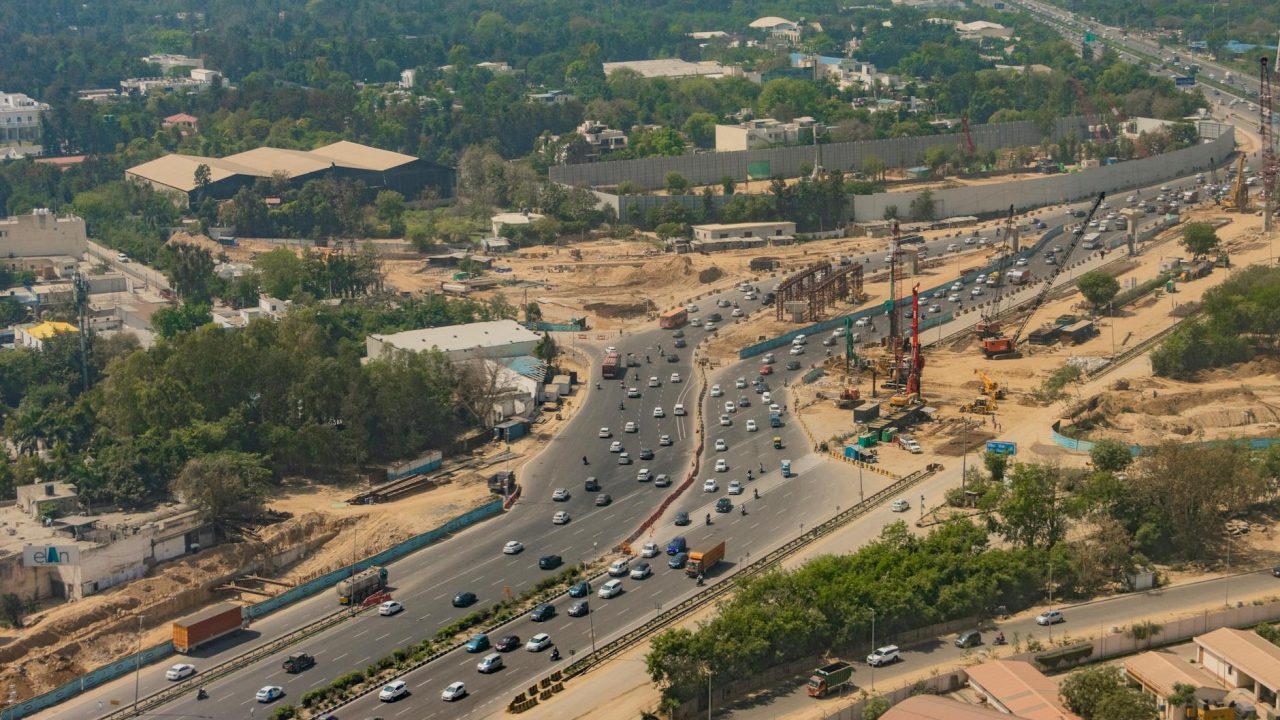
Here’s what you need to know about India’s newest expressway connecting Delhi to the Himalayan foothills. On April 14, 2026, Prime Minister Narendra Modi inaugurated the Delhi-Dehradun Expressway, a 210-kilometer corridor that cuts what used to be a grueling six to seven hour drive down to just two and a half hours. The project cost roughly 12,000 crore rupees and replaces the old congested highway route that wound through dense urban centers with no real chance of moving quickly. Beyond the speed, the expressway features Asia’s longest elevated animal passage, designed to let elephants, leopards, and other wildlife move freely beneath the road near Rajaji National Park. And the ripple effects for tourism are significant — Mussoorie, Rishikesh, and Haridwar are all now within easy reach of Delhi’s 30 million plus residents. If you’re planning a trip to Uttarakhand, this is the moment to start looking at weekend getaway options that simply weren’t practical before.
For decades, the drive from Delhi to Dehradun followed a familiar and exhausting script. You’d leave before dawn to beat the traffic, crawl through Meerut, inch past Muzaffarnagar, and arrive in the Himalayan foothills somewhere between tired and defeated — six to seven hours after you started. Half a day, gone.
That script was rewritten on April 14, 2026. Prime Minister Narendra Modi inaugurated the Delhi-Dehradun Expressway, a 210-kilometer corridor that compresses that same journey into roughly 2.5 hours. The opening marks one of the most consequential infrastructure moments in North India in a generation.
This isn’t just a faster road. It’s a fundamental shift in who can access the Uttarakhand hills, how often they visit, and what kind of economic activity follows them there.
The 210-Kilometer Corridor That Took Years and ₹12,000 Crore to Build
The Delhi-Dehradun Expressway is a six-lane access-controlled highway stretching approximately 210 kilometers. The project carries a price tag of ₹12,000 crore, making it one of the most expensive road infrastructure investments in the region’s history.
The route was engineered to solve a specific problem: the old NH-58 corridor was never designed for modern traffic volumes. It passes through dense urban centers, crosses dozens of intersections, and shares space with everything from tractors to pilgrimage buses. Speed was structurally impossible.
| Route Option | Distance | Travel Time | Mode |
|---|---|---|---|
| Old NH-58 Highway | ~300 km | 6–7 hours | Road |
| New Delhi-Dehradun Expressway | ~210 km | 2.5 hours | Road |
| Train (fastest option) | ~300 km | ~5 hours | Rail |
| Flight | ~250 km | ~1 hour | Air |
The new expressway bypasses most of those bottlenecks entirely. It incorporates seven interchanges designed for uninterrupted traffic flow, two rail overbridges, and ten major bridges. Fourteen wayside amenity zones are being developed along the route, giving travelers fuel stops, food, and rest areas at regular intervals.
Toll collection had not yet commenced at inauguration, though FASTag infrastructure is already integrated into the expressway’s toll plazas for seamless digital payment when charges go live.
Asia’s Longest Elevated Animal Passage and the Conservation Argument
Infrastructure projects cutting through ecologically sensitive zones usually generate controversy. The Delhi-Dehradun Expressway has tried to get ahead of that story with a feature that has drawn international attention: Asia’s longest elevated animal passage.
The expressway passes near the Rajaji National Park and the Shivalik forest belt, both of which are active wildlife corridors used by elephants, leopards, and dozens of other species. Rather than fragmenting these corridors with a ground-level road, engineers designed an elevated section that allows animals to move freely beneath the highway structure.
“The Delhi-Dehradun Expressway is not just another highway — it is a complete transformation of how North India travels, pioneering wildlife conservation through Asia’s longest elevated animal passage.”
— Times of India / Firstpost reporting on the project’s design philosophy
This design choice matters beyond the ecological argument. It signals a shift in how Indian infrastructure planners are thinking about the relationship between speed and environment. The Dehradun corridor passes through some of the most biodiverse terrain in the Himalayan foothills. Getting this wrong would have had consequences measured in decades.
Whether the animal passage performs as designed will take years of monitoring to confirm. But its inclusion at this scale, and at this cost, is itself a statement about what modern Indian infrastructure is expected to deliver.
What a 2.5-Hour Drive Means for Uttarakhand Tourism
Dehradun is the gateway to an extraordinary cluster of destinations. Mussoorie sits just 35 kilometers uphill. Rishikesh, the global yoga capital and white-water rafting hub, is 43 kilometers away. Haridwar, one of Hinduism’s holiest cities and the entry point to the Char Dham pilgrimage circuit, is 54 kilometers from Dehradun’s city center.
For years, the friction of a 6-to-7-hour drive from Delhi kept weekend tourism to these places in a particular demographic bracket: people with enough time, enough patience, or enough money to fly. The new expressway fundamentally changes that calculus.
A 2.5-hour drive is psychologically different from a 7-hour drive. It sits in the same mental category as a long commute or a short road trip, not an expedition. That shift in perception is what tourism economists watch most carefully, because it determines whether a destination transitions from occasional destination to routine getaway.
Hotel developers, resort operators, and adventure tourism companies in the Dehradun-Mussoorie belt have been watching this project closely for years. The expectation is a meaningful uptick in weekend bookings, shorter average stay lengths offset by higher visit frequency, and new investment in mid-market accommodation that serves the day-tripper and short-break traveler rather than only the dedicated vacationer.
Rishikesh in particular stands to benefit. The town has spent the last decade building out yoga retreats, adventure sports infrastructure, and international-standard wellness resorts. The missing piece was always accessibility. A 2.5-hour drive from India’s capital city is a very different proposition for a wellness weekend than a 7-hour ordeal.
| Route Option | Distance | Travel Time | Cost/Toll | Road Type | Key Bottlenecks |
|---|---|---|---|---|---|
| Old NH-58 Highway | ~300 km | 6–7 hours | Low toll | Single/dual carriageway | Meerut, Muzaffarnagar urban congestion |
| New Delhi-Dehradun Expressway | 210 km | ~2.5 hours | Higher toll | 6-lane access-controlled | Minimal — fully access-controlled |
| Train (Delhi to Dehradun) | ~300 km rail | 5–6 hours | ₹200–₹800 | Rail | Seasonal delays, limited frequency |
| Flight (Delhi to Dehradun) | ~250 km air | 1 hour flight | ₹3,000–₹8,000 | Air | Airport transfers add 2–3 hours |
| Bus (Volvo via old route) | ~300 km | 7–8 hours | ₹500–₹900 | Road (old highway) | Traffic, stops, night travel only |
The Broader Infrastructure Pattern Reshaping Indian Travel in 2026
The Delhi-Dehradun Expressway doesn’t exist in isolation. It is part of a larger national push to connect India’s major cities to their surrounding tourism and pilgrimage destinations through high-speed road corridors.
The Delhi-Mumbai Expressway, the Dwarka Expressway, and several other National Highway Authority of India projects have been progressing on parallel tracks. What’s emerging is a hub-and-spoke model of road connectivity, where major metros serve as launchpads for rapid regional travel.
For travelers, this pattern means the mental map of what’s accessible from Delhi is being redrawn in real time. Places that felt like multi-day commitments are becoming weekend options. Places that were weekend options are becoming day trips.
That’s a significant behavioral shift. And behavioral shifts in travel tend to compound: more visitors generate more investment, which generates better facilities, which attracts more visitors still.
What Travelers Should Know Before They Drive
The expressway is access-controlled, meaning entry and exit points are limited to designated interchanges. You cannot turn off wherever you like. Plan your entry and exit points before you leave, particularly if you’re heading to Rishikesh or Haridwar rather than Dehradun city itself.
Toll charges had not been announced at the time of inauguration, but FASTag infrastructure is in place. Ensure your FASTag is active and linked to a funded account before you travel. The expressway’s seven interchanges are designed for smooth flow, but merging and diverging traffic during peak weekend periods will test that design in its early months.
The 14 wayside amenity zones are still in varying stages of development. Some may not be fully operational immediately after opening. Carry sufficient fuel and water, particularly for the first few months of operation while facilities mature.
The elevated sections near the wildlife corridor are not a spectator zone. Speed limits in those areas exist for ecological reasons, not just safety ones. Stopping on the expressway to observe animals is dangerous and prohibited.
What’s harder to plan for is the demand surge. Every major expressway opening in India has been followed by significant weekend traffic spikes in the first months. The Dehradun hills, Mussoorie’s Mall Road, and Rishikesh’s ghats are already popular. Add a few million more easily accessible visitors and the carrying capacity of these destinations becomes the next conversation worth having.
The road is ready. Whether the destinations at the other end are ready for what the road brings with it — that’s the question that will define the next chapter of Uttarakhand tourism.
Frequently Asked Questions

You Might Also Like

Explora Middle East Cruises Are Gone — And Europe Gets the Benefit
Luxury cruise brand Explora Journeys has officially cancelled its planned Middle East itineraries for 2026,…

Allegiant Air’s Tax Day Bonus: 1,040 Points for Summer Routes
Allegiant Air's Tax Day 2026 promotion offers 1,040 bonus points for summer bookings. Here's what…

Qantas Flight to Perth Never Arrived — An Unexplained Smell Changed Everything
A routine Qantas flight from Canberra to Perth took an unexpected turn in the early…
Leave a Reply