
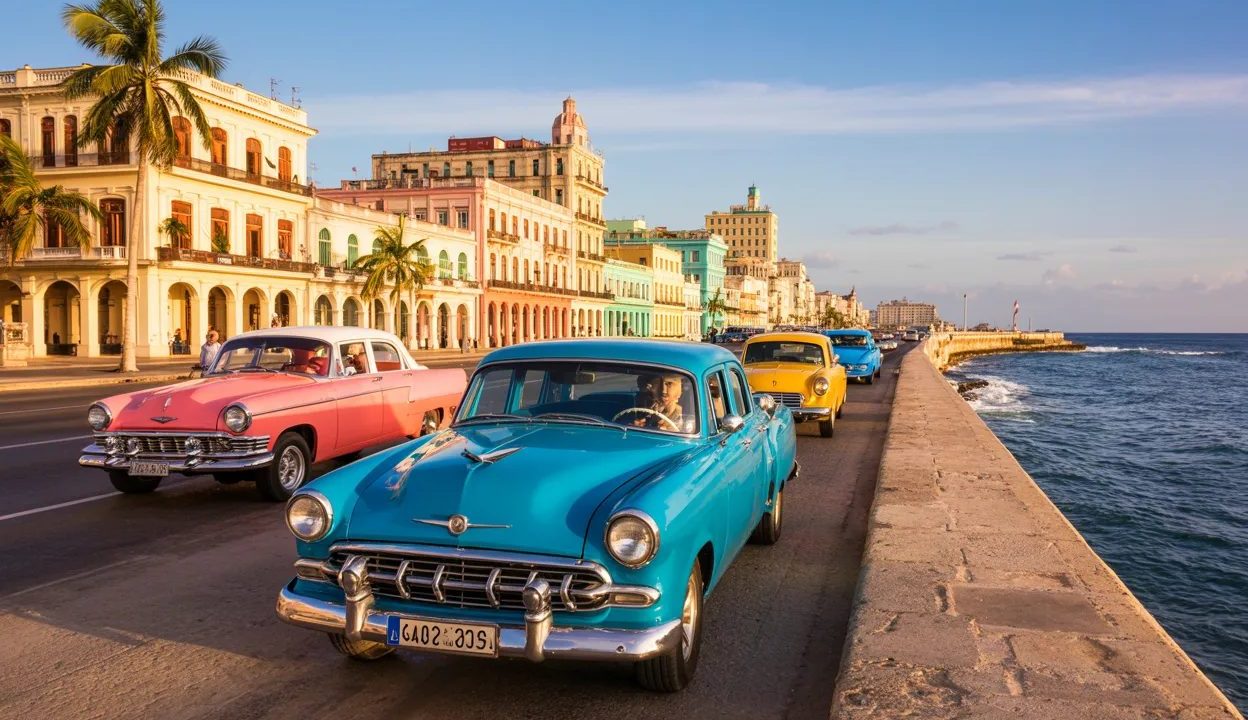
Traveling to Cuba has always required a certain tolerance for the unexpected. But right now, visitors arriving on the Caribbean island are encountering something more disruptive than the usual quirks of Cuban travel — a fuel shortage that is quietly reshaping how tourism works from the ground up.
Transport services are running on reduced schedules. Movement between cities demands more planning than it once did. And the experience of getting from one place to another, once a manageable challenge, has become one of the defining features of a Cuban trip in 2026.
Tourism itself hasn’t stopped. People are still booking flights, still arriving, still filling hotel lobbies in Havana and coastal resorts. But what happens after check-in looks noticeably different from what it did before.
What the Fuel Shortage Is Actually Doing to Cuba Travel
Cuba is currently facing a combination of fuel shortages and external trade pressures. These two forces are feeding into each other in ways that are difficult to separate. Less fuel means fewer buses running. Fewer buses mean tourists wait longer, change plans, or pay more for alternatives. The ripple effect touches nearly every part of the visitor experience.
Public bus services are operating with fewer trips than usual. In busy tourist areas like Havana and coastal resort zones, taxi availability is limited. For travelers used to hopping between neighborhoods or making last-minute day trips, this is a significant adjustment.
Hotels, tour operators, and transport providers are working to maintain services despite the constraints. The industry hasn’t collapsed — it has adapted. But the adaptation comes with trade-offs that visitors are noticing in real time.
How Transport Networks Are Feeling the Strain
Transport is the part of Cuba’s tourism infrastructure most visibly affected by the current situation. The island’s public bus system, which many budget travelers rely on for intercity routes, is running reduced schedules. That means travelers planning multi-city itineraries — say, Havana to Trinidad, or Cienfuegos to Santiago — need to build in more buffer time than they would have previously.
Taxi services, while still operating, are limited in the regions where tourists concentrate most. In Havana especially, where demand for transport has always outpaced supply, the current fuel constraints are tightening an already stretched system.
Tour operators are adjusting their offerings accordingly. Some excursions that previously ran daily may now operate on fewer days per week. Schedules that once felt reliable are subject to change with less notice than travelers expect.
| Area of Impact | What’s Changed | Who It Affects Most |
|---|---|---|
| Public bus services | Fewer trips than usual, reduced frequency | Budget travelers, intercity routes |
| Taxi availability | Limited in high-demand tourist regions | Visitors in Havana and coastal resorts |
| Tour operator schedules | Adjustments to maintain services under fuel limits | Package tourists, day-trip travelers |
| Intercity travel | Requires more planning and schedule flexibility | Independent travelers |
| Overall tourism flow | Slower pace, more delays, reshaped experience | All visitors to Cuba |
The Real-World Impact on Visitors Right Now
If you’re planning a trip to Cuba or already have one booked, the current situation doesn’t mean your trip is ruined — but it does mean your expectations need recalibrating.
Movement between cities now requires more advance planning. Relying on spontaneous transport decisions the way you might in other destinations is a riskier strategy. Travelers who build flexibility into their itineraries — extra nights in a location, alternative transport options researched ahead of time — are likely to have a smoother experience than those with tightly packed schedules.
The tourism industry is adjusting quickly, according to available reports. Hotels and tour operators are working around the constraints rather than shutting down. But “working around” still means delays, schedule changes, and moments where the experience doesn’t match what was advertised or expected.
For visitors to Havana and coastal resort areas specifically, limited taxi availability is one of the most immediate practical concerns. Getting around within cities, not just between them, is taking longer and requiring more effort.
- Build extra time into any intercity travel plans
- Confirm transport bookings directly with operators before travel days
- Have backup options researched for taxi and local transit needs
- Expect schedule changes with shorter notice than usual
- Contact hotels in advance to understand current local transport conditions
Why This Matters Beyond One Island’s Problems
Cuba’s situation is a reminder of how quickly the foundation of a tourism destination can shift when infrastructure comes under pressure. Fuel isn’t an abstract resource in a place like Cuba — it’s what moves the buses, runs the taxis, and keeps the tour vans on the road. When it becomes scarce, the visitor experience changes in ways that no amount of good hospitality can fully compensate for.
External trade pressures are compounding the problem. These aren’t challenges Cuba can solve quickly or unilaterally. The timeline for improvement depends on factors well outside the control of the tourism sector itself.
The broader picture is that Cuba remains a destination people want to visit. Arrivals are continuing. But the island is in a period of adjustment, and anyone traveling there in the near term should go in with eyes open about what the experience currently involves.
What Travelers Should Watch for Going Forward
The situation in Cuba is fluid. Transport conditions could improve if fuel availability increases, or they could tighten further if external trade pressures intensify. There is no confirmed timeline for resolution based on currently available information.
What is clear is that the tourism industry in Cuba is actively trying to adapt rather than retreat. Hotels, operators, and transport providers are working within their constraints to keep visitors moving and experiences intact. That effort matters — but it doesn’t eliminate the disruptions travelers are encountering.
Anyone with upcoming Cuba travel plans would be well served by checking directly with tour operators and accommodation providers in the weeks before departure. Conditions on the ground are changing faster than most travel guides and booking platforms can track.
Frequently Asked Questions
Is Cuba still open to tourists despite the fuel shortages?
Yes, visitors are still arriving in Cuba. The fuel shortage is disrupting transport and reshaping the travel experience, but tourism has not stopped.
Which areas of Cuba are most affected by transport disruptions?
Havana and coastal resort regions are among the most affected, with taxi services reported as limited in these high-demand tourist areas.
Are public buses still running in Cuba?
Public buses are still operating but are running fewer trips than usual, which affects both intercity and local travel for visitors.
Are tour operators and hotels still functioning normally?
Hotels, tour operators, and transport providers are working to maintain services, though they are adjusting schedules and offerings due to reduced fuel availability.
How should travelers adjust their Cuba itineraries right now?
Travelers are advised to build more flexibility into their plans, confirm transport bookings in advance, and research backup options for getting around both within cities and between destinations.
Is there a timeline for when the fuel situation in Cuba might improve?
This has not been confirmed in available reporting. The situation depends on external trade conditions that are outside the immediate control of Cuba’s tourism sector.




Leave a Reply