
At 1:46 in the morning, while most people were asleep, the ground beneath the Tyrrhenian Sea shifted. A magnitude 5.2 earthquake struck near Leni in Italy on Saturday, rattling the region and sending monitoring agencies into immediate action. It was the kind of tremor that reminds you, without warning, just how seismically active this part of Europe truly is.
The United States Geological Survey confirmed the event, placing the epicentre approximately 46 kilometres west of Leni, at coordinates 38.51 degrees north latitude and 14.29 degrees east longitude. The quake originated at a depth of 10 kilometres — shallow enough to be widely felt across surrounding areas.
Early morning earthquakes carry a particular unease. People are asleep, defences are down, and the shaking can feel more disorienting than it might during daylight hours. Authorities began monitoring the situation immediately after the event was recorded.
What a 5.2 Magnitude Earthquake Actually Means
Earthquake magnitude isn’t always intuitive. A 5.2 sits in what seismologists typically classify as the moderate range — strong enough to be felt across a wide area, capable of causing minor damage to poorly constructed buildings, but generally not catastrophic for modern structures built to seismic codes.
That said, the impact of any earthquake depends on more than just its number on the scale. Depth, proximity to populated areas, local geology, and the quality of nearby infrastructure all play significant roles in determining how much damage or disruption actually occurs.
At a depth of 10 kilometres, this quake was relatively shallow. Shallow earthquakes tend to produce stronger shaking at the surface compared to deeper events of the same magnitude, which is why depth is always one of the first figures seismologists examine after a tremor is recorded.
Key Facts About the Leni Earthquake
| Detail | Confirmed Information |
|---|---|
| Magnitude | 5.2 |
| Date and Time | Saturday, 01:46 GMT |
| Location | Near Leni, Italy |
| Distance from Leni | Approximately 46 kilometres west |
| Depth | 10 kilometres |
| Coordinates | 38.51°N, 14.29°E |
| Reporting Agency | United States Geological Survey (USGS) |
- The tremor struck during the early hours of the morning, when most residents would have been asleep
- The epicentre was located offshore, west of Leni, in the Tyrrhenian Sea region
- Authorities began monitoring the situation immediately following the event
- Residents in nearby areas may have felt noticeable shaking
Why Italy Keeps Appearing in Earthquake Headlines
This earthquake did not happen in a vacuum. Italy is one of the most seismically active countries in Europe, sitting at the boundary of the African and Eurasian tectonic plates. That geological reality means tremors — ranging from minor to severe — are a recurring feature of life across much of the peninsula and its surrounding island chains.
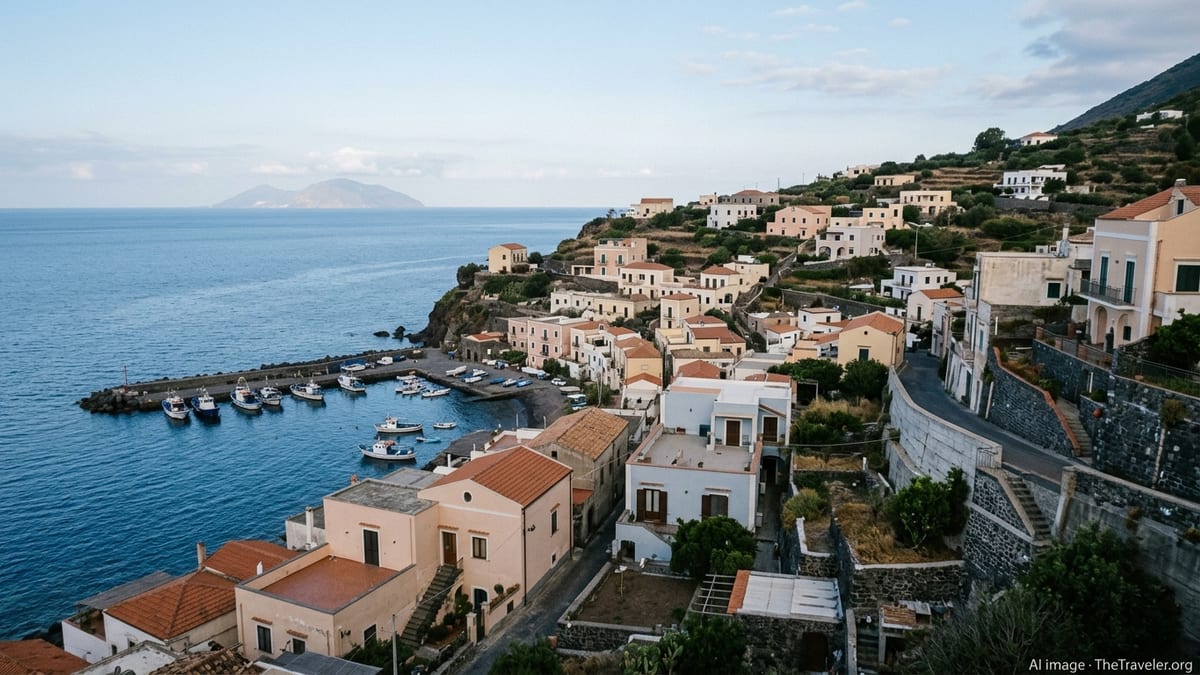
The area near Leni, located in the context of the Aeolian Islands and the broader southern Italian seismic zone, has a history of tectonic activity. The region sits in a geologically complex zone where volcanic and seismic forces intersect, making it an area of ongoing scientific interest and monitoring.
For residents and visitors alike, earthquakes in this part of Italy are not unexpected. But that familiarity doesn’t diminish the concern that follows each new event, particularly when tremors occur at night and in relatively shallow depths that amplify surface shaking.
Who Feels This — and Who Should Pay Attention
A 5.2 magnitude earthquake centred 46 kilometres west of Leni is likely to have been felt across a broad surrounding area. People living in coastal communities, on nearby islands, and in towns along the Tyrrhenian coast may have experienced noticeable shaking, even if the structural impact was limited.
For travellers currently in the region, or those with upcoming plans to visit southern Italy or the Aeolian Islands, this event serves as a practical reminder to familiarise yourself with local emergency procedures. Most hotels and accommodation providers in seismically active zones have protocols in place, but knowing what to do — stay away from windows, take cover, wait for shaking to stop before moving — is always worth reviewing.
Seismic monitoring agencies and Italian civil protection authorities routinely track aftershock sequences following moderate earthquakes. Officials have noted in general that the period immediately following a moderate tremor warrants heightened attention, as aftershocks can follow unpredictably in the hours and days after the initial event.
What Happens After a Moderate Earthquake Like This
In the immediate aftermath of the Leni earthquake, the standard sequence of response involves continuous seismic monitoring, assessment of any reported damage or injuries, and public communication from civil protection authorities. The USGS and Italian seismic monitoring networks will continue to track any aftershock activity in the area.
Whether this event was an isolated tremor or part of a broader seismic sequence is something that only time and continued monitoring will clarify. Seismologists typically observe a region for days or weeks following a moderate earthquake to assess whether activity is increasing, stabilising, or tapering off.
For now, the confirmed facts are clear: a significant tremor struck, it was recorded and confirmed by the USGS, and authorities responded. The full picture of its impact on local communities is still emerging.
Frequently Asked Questions
Where exactly did the earthquake near Leni occur?
The epicentre was located approximately 46 kilometres west of Leni, Italy, at coordinates 38.51 degrees north latitude and 14.29 degrees east longitude.
What time did the earthquake strike?
The earthquake occurred at 01:46 GMT on Saturday, during the early morning hours when most residents would have been asleep.
How deep was the earthquake?
The quake originated at a depth of 10 kilometres, which is considered relatively shallow and typically results in stronger surface shaking compared to deeper events of the same magnitude.
Which agency confirmed the earthquake?
The United States Geological Survey (USGS) confirmed the event and recorded the magnitude as 5.2.
Was there any reported damage or casualties?
This has not been confirmed in the available source material. Authorities began monitoring the situation immediately after the event was recorded.
Is Italy prone to earthquakes in this region?
Yes. Italy is one of Europe’s most seismically active countries, and the southern Italian and Aeolian Islands region sits in a geologically complex zone with a well-documented history of tectonic activity.




Leave a Reply