
A $1.45 million tourism recovery package is now on the table for Western Australia — and if you’re planning a trip to the region in 2026, what happens next will directly shape your experience on the ground.
Cyclone Narelle struck Western Australia just before the Easter tourism season, delivering a damaging blow to coastal towns including Exmouth — one of the state’s most popular destinations for international and domestic visitors alike. The timing couldn’t have been worse. Businesses that had geared up for one of their busiest periods of the year were left scrambling, and travelers from the UK, China, and New Zealand are among those being urged to stay informed before finalizing their plans.
The Australian government’s recovery package signals that authorities are taking the disruption seriously. But the road back to full operation will take time, and airlines are already responding to the changed conditions on the ground.
(function(){var wrp=document.getElementById(“paap_stat_69ddb550afba85.23120534”);if(!wrp)return;var ids=[“paap_stat_69ddb550afba85.23120534_c0″,”paap_stat_69ddb550afba85.23120534_c1”];var dur=1800;function ease(t){return 1-Math.pow(1-t,3);}function anim(){ids.forEach(function(id){var el=document.getElementById(id);if(!el)return;var tgt=parseFloat(el.getAttribute(“data-target”))||0;var pfx=el.getAttribute(“data-prefix”)||””;var sfx=el.getAttribute(“data-suffix”)||””;var dec=parseInt(el.getAttribute(“data-decimals”))||0;var st=null;function step(ts){if(!st)st=ts;var p=Math.min((ts-st)/dur,1);var v=ease(p)*tgt;el.textContent=pfx+v.toFixed(dec)+sfx;if(p<1)requestAnimationFrame(step);}requestAnimationFrame(step);});}if("IntersectionObserver" in window){var obs=new IntersectionObserver(function(e){e.forEach(function(en){if(en.isIntersecting){anim();obs.disconnect();}});},{threshold:0.2});obs.observe(wrp);}else{anim();}})();
What Cyclone Narelle Did to Western Australia’s Tourism Corridor
Exmouth, a coastal town that draws visitors for its proximity to the Ningaloo Reef and its reputation as one of Australia’s great natural escapes, bore the brunt of Narelle’s impact. The cyclone caused widespread destruction to local businesses, accommodation providers, and the infrastructure that tourists depend on to access the region.
The Easter window — typically a peak period that injects significant spending into regional WA — effectively collapsed. For small operators who rely heavily on that seasonal surge, the losses were immediate and severe.
The disruption isn’t contained to one town. The broader Coral Coast region, which stretches along Western Australia’s northwest, has seen its tourism ecosystem rattled at a moment when international visitor numbers were showing signs of strong recovery post-pandemic.
Airlines Adjust: What Qantas and Virgin Australia Are Doing
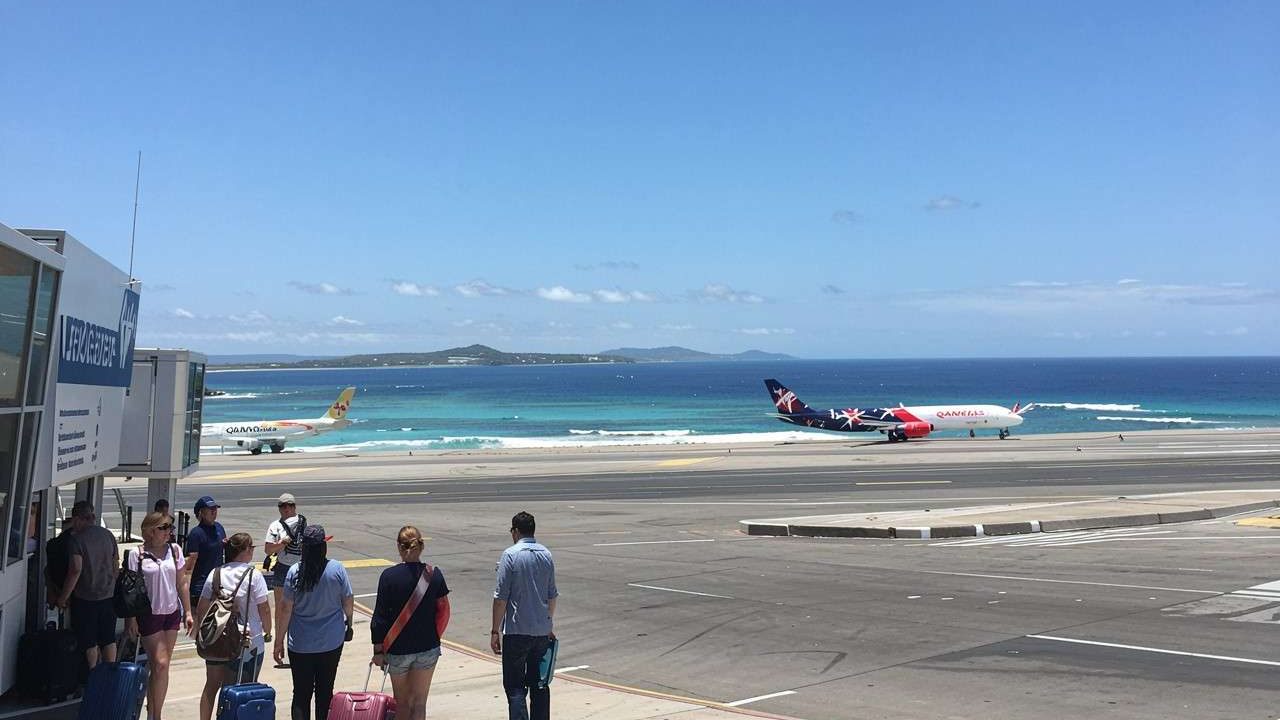
Both Qantas and Virgin Australia have adjusted their flight schedules in response to Cyclone Narelle’s aftermath. While the specific details of route changes and rebooking policies have been evolving, travelers with existing bookings to Western Australian regional destinations are being advised to check directly with their airline for the latest updates.
For international visitors — particularly those flying in from the UK, China, and New Zealand — the flight schedule changes add a layer of complexity to trip planning that didn’t exist before the cyclone hit. Connecting routes that pass through Perth before heading to regional WA are the most likely to be affected.
| Key Factor | Detail |
|---|---|
| Cyclone name | Cyclone Narelle |
| Primary affected area | Exmouth and coastal Western Australia |
| Timing of impact | Just before the Easter tourism season |
| Airlines adjusting schedules | Qantas and Virgin Australia |
| Government recovery funding | $1.45 million tourism recovery package |
| International markets alerted | UK, China, New Zealand |
Who Is Actually Affected — and How Much
The alert to UK, Chinese, and New Zealand tourists reflects just how globally connected Western Australia’s tourism industry has become. These three markets represent a significant slice of international arrivals to the state, and any disruption to their travel confidence has real economic weight.
For travelers already booked, the practical concerns are straightforward: Is my accommodation still operating? Are the natural sites I planned to visit accessible? Will my connecting flights still run on schedule? Right now, the honest answer to all three is: it depends on where exactly you’re going and when.
Local businesses in Exmouth and surrounding areas are in varying states of recovery. Some operations may have resumed, while others are still assessing damage or waiting on repair work. The $1.45 million recovery package is designed to accelerate that process — but funding announcements and boots-on-the-ground rebuilding are two different timelines.
For travelers planning a 2026 holiday to the region, particularly in the second half of the year, conditions are expected to improve substantially. The recovery investment is specifically aimed at getting tourism operators back on their feet and ensuring the visitor experience meets expectations when guests arrive.
What the $1.45 Million Recovery Plan Is Meant to Do
Government recovery packages after natural disasters tend to serve two functions: immediate stabilization and longer-term confidence building. The $1.45 million announced for Western Australia is aimed at helping tourism operators survive the shock of lost Easter revenue and begin the work of rebuilding their businesses.
For travelers, this matters because it signals that the region is being actively supported rather than left to recover on its own. Destinations that receive structured recovery investment typically bounce back faster — and with more consistency in the quality of the visitor experience.
The focus on international markets like the UK, China, and New Zealand suggests that authorities are also working to maintain confidence among long-haul visitors who plan trips many months in advance. A well-communicated recovery story can actually strengthen a destination’s profile, turning a crisis moment into a demonstration of resilience.
What Travelers Should Do Before Booking or Traveling
If you’re planning to visit Western Australia — whether from overseas or domestically — here’s what makes sense right now:
- Check directly with Qantas or Virgin Australia for the latest schedule updates on any regional WA routes you’ve booked or are considering.
- Contact accommodation providers in Exmouth and the broader Coral Coast region to confirm operational status before travel.
- Monitor official Western Australian tourism channels for updates on which attractions and natural sites have fully reopened.
- If you’re traveling from the UK, China, or New Zealand, review your travel insurance policy to understand coverage in the context of post-cyclone disruption.
- For 2026 holiday planning, the second half of the year is likely to offer a more complete experience as recovery efforts take hold.
The core appeal of Western Australia — Ningaloo Reef, the Coral Coast, the extraordinary natural landscapes — hasn’t changed. What’s changed is the timeline, and being informed about that timeline is the difference between a frustrating trip and a genuinely great one.
Frequently Asked Questions
Which areas of Western Australia were most affected by Cyclone Narelle?
Exmouth and key coastal towns along Western Australia’s Coral Coast experienced widespread destruction, with local tourism businesses among the hardest hit.
Why are UK, Chinese, and New Zealand tourists being specifically alerted?
These three international markets are significant sources of visitors to Western Australia, and authorities are urging travelers from these countries to stay informed as conditions on the ground continue to change.
What airlines have changed their schedules due to Cyclone Narelle?
Both Qantas and Virgin Australia have adjusted their flight schedules in response to the cyclone’s aftermath. Travelers should check directly with their airline for current details.
How much has the Australian government committed to Western Australia’s tourism recovery?
The Australian government has announced a $1.45 million tourism recovery package to support the region’s economic rebound following the cyclone.
Is it safe to travel to Western Australia now?
Conditions vary by location and are actively changing. Travelers are advised to contact airlines and accommodation providers directly and monitor official tourism updates before finalizing plans.
Will my 2026 holiday to Western Australia still be possible?
Authorities and tourism operators are working toward recovery, and the government’s $1.45 million investment is specifically aimed at ensuring the region is ready to welcome visitors — particularly for the broader 2026 travel season.



Leave a Reply