
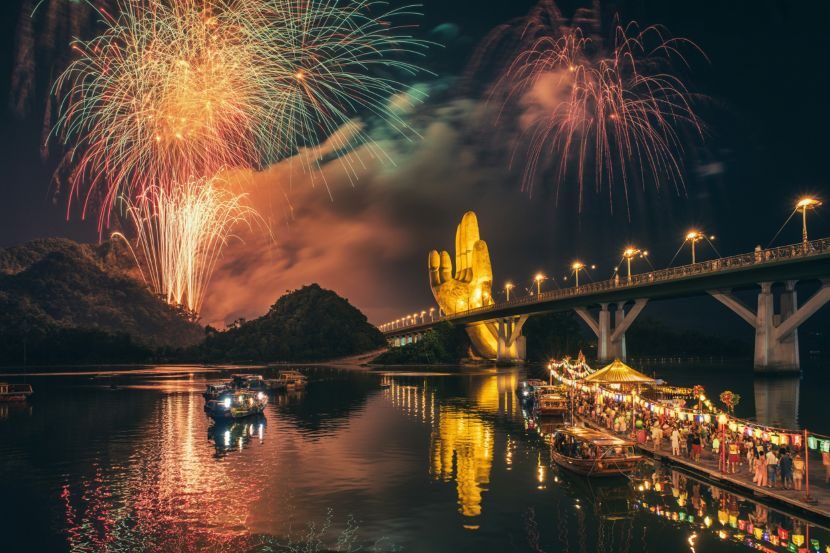
Vietnam is no longer just a daytime destination. The country is making a calculated, large-scale push to own the night — and travelers across Asia and beyond are starting to take notice.
From nightly fireworks lighting up the skies over Phu Quoc Island to the internationally recognized Da Nang International Fireworks Festival and the sky-high entertainment complex at Ba Na Hills, Vietnam has quietly assembled one of the most ambitious after-dark tourism programs in Southeast Asia. The shift is deliberate, strategic, and already drawing international participants from Japan and China.
For travelers planning a trip to the region, what’s happening in Vietnam right now represents a genuine change in how the country positions itself on the global tourism map — and it has real implications for when, where, and how you visit.
Vietnam’s Night Tourism Push Is Bigger Than One Festival
For years, Vietnam’s reputation rested on its beaches, its heritage towns like Hoi An, and its food culture. Those things haven’t gone anywhere. But tourism planners have identified a gap: most visitors checked out after dinner, and the economic opportunity of keeping tourists engaged after sunset was largely untapped.
That’s changing. Vietnam is now investing in technology-driven shows, large-scale festivals, and immersive performances designed specifically to extend visitor engagement well beyond daylight hours. The goal isn’t just entertainment — it’s longer stays, higher spending per visitor, and a stronger case for international travelers to choose Vietnam over competing destinations in the region.
Officials and tourism strategists have noted that night tourism, when done well, can meaningfully increase revenue per tourist without requiring more tourists overall. Vietnam appears to be betting heavily on that principle.
The Three Destinations Leading Vietnam’s After-Dark Transformation
Three locations are currently driving Vietnam’s night tourism identity, each offering something distinct:
- Phu Quoc Island — Home to record-setting nightly fireworks displays, Phu Quoc has become a flagship destination for after-dark spectacle. The consistency of nightly shows — not just seasonal ones — sets it apart from most competitors in the region.
- Da Nang — The Da Nang International Fireworks Festival has built a global reputation, drawing teams and audiences from multiple countries. It has become one of the most recognized fireworks competitions in Asia.
- Ba Na Hills — Situated high above Da Nang, Ba Na Hills offers immersive entertainment in a dramatic mountain setting, extending the entertainment experience into a full evening destination rather than a daytime attraction only.
Together, these three destinations form the backbone of what Vietnam is marketing as a year-round, after-dark travel experience — not a single event, but a sustained national offering.
International Participation Is Raising the Stakes
One of the more significant signals of Vietnam’s growing ambition in this space is the involvement of international participants — specifically from Japan and China. Their participation in Vietnam’s fireworks festivals and night tourism programming adds competitive credibility and draws cross-border visitor interest from two of Asia’s largest outbound travel markets.
This international dimension matters for travelers to understand. It means these events aren’t purely domestic celebrations — they’re designed with a global audience in mind, and the production values reflect that ambition.
| Destination | Key Night Tourism Feature | Notable Detail |
|---|---|---|
| Phu Quoc Island | Nightly fireworks displays | Year-round schedule, record-setting scale |
| Da Nang | Da Nang International Fireworks Festival | Globally recognized; international teams competing |
| Ba Na Hills | Immersive entertainment complex | Sky-high mountain setting; full evening programming |
What This Means for Travelers Planning a Trip to Vietnam
If you’re building a Vietnam itinerary, the rise of night tourism changes the calculus in a few practical ways.
First, timing matters more than it used to. While Phu Quoc offers nightly fireworks year-round — meaning there’s no wrong time to visit for that experience — Da Nang’s international festival follows a seasonal schedule. Travelers specifically interested in the competitive fireworks events should research the festival calendar before booking.
Second, the concentration of night tourism investment in specific destinations means it’s worth building your itinerary around these hubs rather than treating them as side trips. Da Nang and Phu Quoc in particular are now evening destinations, not just stopovers.
Third, the involvement of Japanese and Chinese participants signals that these events draw significant regional crowds. Booking accommodations early — especially during festival periods in Da Nang — is increasingly important as international interest grows.
Finally, Ba Na Hills deserves more than a daytime cable car ride. The evening programming there has developed into its own experience, and visitors who leave before sunset may be missing the most visually striking part of the destination.
Where Vietnam’s Night Tourism Is Headed
Vietnam’s approach reflects a broader trend across Southeast Asia: tourism authorities are recognizing that the post-sunset economy is an underdeveloped asset, and countries that invest in it early will capture a disproportionate share of the market.
Vietnam’s combination of year-round programming at Phu Quoc, internationally competitive events at Da Nang, and immersive mountain entertainment at Ba Na Hills gives it a diversified portfolio that few regional competitors can currently match.
With technology-driven shows and large-scale festivals continuing to expand, and with international participation from major Asian tourism markets already established, the trajectory points toward Vietnam deepening — not plateauing — its investment in after-dark travel experiences. For travelers, that means the best of what Vietnam offers after sunset may still be ahead.
Frequently Asked Questions
Is Phu Quoc’s fireworks show a year-round event?
Yes, according to available reporting, Phu Quoc features nightly fireworks on a year-round schedule, making it accessible regardless of when you visit.
Which countries are participating in Vietnam’s international fireworks events?
Japan and China have been cited as international participants in Vietnam’s fireworks festivals and night tourism programming.
Is Da Nang’s International Fireworks Festival seasonal or year-round?
The Da Nang International Fireworks Festival is a scheduled event rather than a nightly offering — travelers should check the specific festival calendar when planning their trip.
Is Ba Na Hills worth visiting at night specifically?
Based on available reporting, Ba Na Hills has developed significant evening and immersive entertainment programming, suggesting it offers a distinct after-dark experience beyond its daytime appeal.
How does Vietnam’s night tourism compare to other Southeast Asian destinations?
Vietnam is positioning itself as a regional leader in after-dark travel with year-round fireworks, internationally recognized festivals, and immersive entertainment — a combination that few direct competitors currently match at this scale.
Do I need to book accommodation early for Da Nang’s fireworks festival?
Given growing international attendance and participation from major Asian tourism markets like Japan and China, early booking during festival periods is strongly advisable.


Leave a Reply