
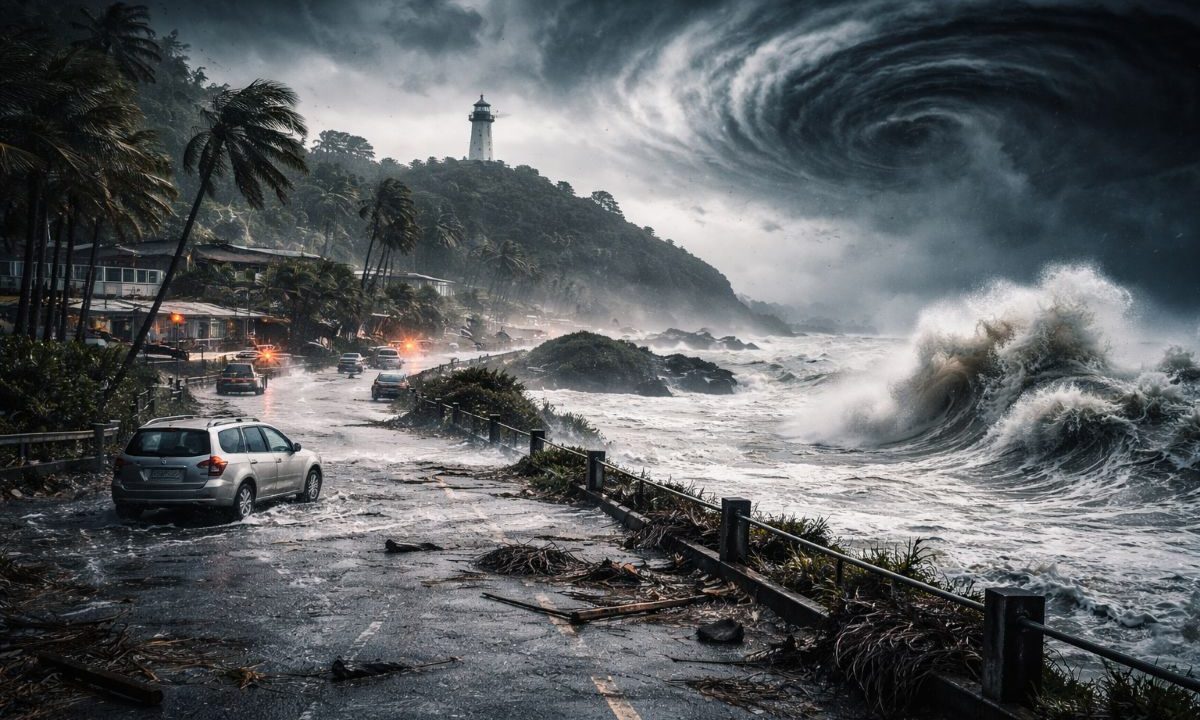
A powerful cyclone made landfall near New Zealand’s Maketu Peninsula on April 12, 2026, and the damage it left behind was immediate, widespread, and dangerous. Cyclone Vaianu didn’t just threaten homes and coastlines — it threw the entire travel network of the North Island into chaos, forcing evacuations, grounding flights, and cutting power to thousands of households in a matter of hours.
Authorities described the storm as life-threatening, triggering the highest level of emergency alerts across the region. For anyone planning to travel to, from, or within the North Island, the message from emergency services was unambiguous: stay put, stay safe, and don’t assume conditions will improve quickly.
The disruption unfolded rapidly through Sunday, with emergency responders managing simultaneous threats — flooding, severe wind damage, and dangerous coastal conditions — while the tourism sector scrambled to respond to an almost total shutdown of normal movement.
What Cyclone Vaianu Actually Did to the North Island
The cyclone struck with enough force to rapidly escalate from a weather event into what officials classified as a major disruption event. The Maketu Peninsula, on the eastern Bay of Plenty coastline, bore the initial impact — but the effects rippled outward across the wider North Island almost immediately.
Flights were grounded. Coastal movement became too dangerous to attempt. Power was cut to thousands of homes, leaving communities without basic services at the same time they were being asked to evacuate or shelter in place. Emergency services worked through Sunday under intense pressure, trying to stay ahead of flooding and wind damage that were developing faster than many had anticipated.
The scale of the storm meant that even areas not directly in its path were affected. Roads became impassable, communication lines were disrupted, and the usual infrastructure that travelers rely on — transport hubs, accommodation services, tour operations — effectively shut down.
The Storm’s Impact on Travel and Tourism
New Zealand’s North Island is one of the country’s most visited regions, drawing both domestic and international travelers to its coastlines, geothermal landscapes, and cultural sites. Cyclone Vaianu hit that tourism corridor hard, and the disruption wasn’t limited to a single route or destination.
| Area of Impact | Nature of Disruption | Status as of April 12, 2026 |
|---|---|---|
| Maketu Peninsula | Direct landfall location | Evacuation orders issued |
| North Island flight routes | Flights grounded due to storm conditions | Suspended during storm |
| Coastal areas | Dangerous conditions blocking movement | Access restricted |
| Residential areas | Power outages affecting thousands of homes | Widespread loss of power |
| Tourism operations | Broad shutdown of services and movement | Severely disrupted |
The timing compounded the problem. A sudden major storm on a Sunday — when leisure travelers are often in transit, checking out of accommodation, or beginning return journeys — created maximum exposure for the greatest number of people at once.
Who Is Affected and What It Means for Travelers Right Now
If you were planning to travel to the North Island around April 12, 2026, or were already there when Vaianu struck, the practical reality was stark. Flights weren’t running. Coastal roads and access points were closed or made impassable by flooding and wind. Evacuation orders in affected zones meant that even staying in place wasn’t always an option.
For international visitors, this created a particularly difficult situation — unfamiliar with local emergency systems, potentially far from major airports, and relying on tourism infrastructure that had effectively gone offline. Domestic travelers faced similar challenges, with road closures cutting off communities and making even short journeys across the island hazardous.
Accommodation providers, tour operators, and transport companies across the region all felt the impact. The kind of coordinated travel that the North Island’s tourism economy depends on — ferry connections, guided tours, rental vehicles moving between destinations — ground to a halt as the storm moved through.
Emergency services and government-backed agencies were the primary source of guidance, issuing alerts and coordinating evacuations. Travelers were strongly advised to monitor official updates and avoid any unnecessary movement until conditions were formally declared safe.
What Happens Next for the Region
The immediate priority for authorities in the aftermath of Cyclone Vaianu was managing the ongoing emergency — containing flooding, restoring power, and ensuring evacuated residents could safely return to their homes once conditions permitted.
For travelers, the path forward depends almost entirely on how quickly infrastructure can be restored and how rapidly the storm system moves through the region. Flight resumptions, road reopenings, and the return of coastal access will each follow their own timeline, driven by safety assessments from emergency agencies rather than commercial pressure.
Tourism operators across the North Island will be assessing damage and working to communicate with affected visitors once communication lines are fully restored. Anyone with upcoming travel to the region is advised to contact their airline, accommodation provider, or tour operator directly for guidance on rebooking or cancellation options.
New Zealand’s emergency management system has experience handling significant weather events, and official channels remain the most reliable source of real-time information as the situation continues to develop.
Frequently Asked Questions
Where did Cyclone Vaianu make landfall?
The cyclone made landfall near the Maketu Peninsula on New Zealand’s North Island on April 12, 2026.
What level of emergency alert was issued?
Authorities triggered the highest level of emergency alerts, describing the storm as life-threatening.
Were flights cancelled due to Cyclone Vaianu?
Yes, flights were grounded across North Island routes as the storm escalated into a major disruption event.
Were evacuations ordered?
Yes, evacuation orders were issued in affected areas as the cyclone caused flooding, wind damage, and dangerous coastal conditions.
How many homes lost power?
Thousands of homes across the North Island lost power as the storm moved through the region, though a precise total figure has not yet been confirmed.
What should travelers do if they had plans to visit the North Island?
Travelers are advised to contact their airline, accommodation provider, or tour operator directly and to monitor official government and emergency agency updates for the latest safety information.



Leave a Reply