
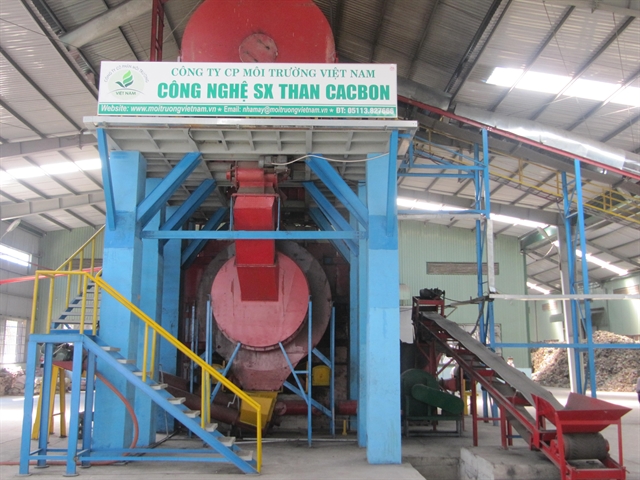
Every single day, the city of Đà Nẵng generates more than 1,100 tonnes of garbage — and until now, most of it has ended up in landfills that have been piling up for decades. That is about to change in a significant way.
Vietnam’s coastal tourism hub has announced the launch of its first-ever waste-to-energy plant, a facility designed to do something most cities in the region have never managed at this scale: take daily trash and turn it into usable electricity. The project represents one of the most ambitious environmental infrastructure moves in Đà Nẵng’s modern history.
For residents dealing with the long shadow of overloaded landfills, and for the millions of tourists who visit the city each year, this facility signals a real shift in how Đà Nẵng manages the environmental cost of urban growth.
What Đà Nẵng’s Waste-to-Energy Plant Actually Does
The plant is being developed by the Vietnam Environment Joint Stock Company, a member of the Amaccao Group, and was announced by the Đà Nẵng Department of Agriculture and Environment. It will be built across 9.4 hectares — a substantial footprint that reflects the scale of what the facility needs to accomplish.
At full capacity, the plant will process 1,100 tonnes of municipal waste per day and generate 18 megawatts of power. That electricity feeds back into the grid, meaning the garbage that would otherwise sit in a landfill becomes a direct energy source for homes and businesses.
Waste-to-energy technology works by incinerating solid waste under controlled, high-temperature conditions. The heat produced drives turbines that generate electricity. Modern facilities of this type are designed to capture and treat emissions, though the specific environmental controls for this plant have not been detailed in the available announcement.
What makes this project stand out is not just the technology — it is the timing. Đà Nẵng has been grappling with waste management pressures for years, and this plant represents the first purpose-built solution of this kind the city has ever had.
The Numbers Behind the Project
| Detail | Specification |
|---|---|
| Developer | Vietnam Environment Joint Stock Company (Amaccao Group) |
| Announcing Authority | Đà Nẵng Department of Agriculture and Environment |
| Site Area | 9.4 hectares |
| Daily Waste Processing Capacity | 1,100 tonnes |
| Power Generation Capacity | 18 megawatts (MW) |
| Type of Facility | Waste-to-energy (first in Đà Nẵng) |
Those figures matter in context. Eighteen megawatts is enough to power tens of thousands of households, depending on consumption patterns. And processing 1,100 tonnes of waste daily means the plant could, in theory, handle the city’s entire daily output without sending a single tonne to a landfill — assuming the capacity matches actual generation.
Why This Matters for Residents and Tourists Alike
Đà Nẵng is one of Vietnam’s most visited cities. Its beaches, food scene, and proximity to Hội An draw international and domestic visitors in enormous numbers. But behind the tourism appeal, the city has faced a waste management problem that has grown alongside its population and visitor numbers.
Landfills that have been accumulating waste for decades are not just an environmental concern — they affect air quality, groundwater, and the overall livability of the surrounding areas. Officials have noted that this plant directly addresses those longstanding issues by diverting waste away from landfill sites entirely.
For tourists, the impact may be less immediately visible but still meaningful. A city that handles its waste more cleanly is a city with better air, cleaner surroundings, and a more sustainable infrastructure. Advocates argue that facilities like this one are essential for fast-growing urban destinations that want to maintain their appeal without exporting an environmental cost onto local communities.
For residents — particularly those living near existing landfill sites — the potential reduction in landfill dependency could bring real quality-of-life improvements over time.
The Broader Push for Sustainable Energy in Vietnam
This project does not exist in isolation. Vietnam has been actively expanding its renewable and sustainable energy portfolio in recent years, driven both by domestic demand and international climate commitments. Waste-to-energy fits into that broader picture by addressing two problems simultaneously: waste volume and energy supply.
The involvement of the Amaccao Group, through its Vietnam Environment Joint Stock Company subsidiary, points to growing private-sector engagement in infrastructure that was once almost exclusively a government domain. That shift reflects confidence in the commercial and environmental viability of projects like this one.
Officials have framed the plant as contributing not just to Đà Nẵng’s waste management goals but to the city’s wider sustainable development ambitions — a signal that this kind of infrastructure is likely to be replicated elsewhere in Vietnam if it performs as expected.
What Comes Next for the Project
The announcement marks the beginning of what will be a significant construction and commissioning process for a facility of this scale. A 9.4-hectare site processing over a thousand tonnes of material daily requires substantial engineering, grid integration, and operational infrastructure before it can go live.
Specific construction timelines and an operational start date have not been confirmed in the available information. What is clear is that the project has received official backing from the Đà Nẵng Department of Agriculture and Environment, which positions it as a priority for the city’s environmental planning.
Supporters of the initiative point to the dual benefit of reducing landfill pressure while simultaneously contributing to the local energy grid — a combination that, if delivered at the projected capacity, would mark a genuine turning point in how Đà Nẵng handles one of its most persistent urban challenges.
Frequently Asked Questions
What is Đà Nẵng’s new waste-to-energy plant?
It is the city’s first facility designed to convert municipal solid waste into electricity, capable of processing 1,100 tonnes of garbage per day and generating 18 megawatts of power.
Who is building the plant?
The facility is being developed by the Vietnam Environment Joint Stock Company, a member of the Amaccao Group, following an announcement by the Đà Nẵng Department of Agriculture and Environment.
How large is the facility?
The plant will be built on a site covering 9.4 hectares.
When will the plant begin operating?
A confirmed operational start date has not been announced based on currently available information.
How does this affect Đà Nẵng’s existing landfills?
Officials have indicated the plant is intended to tackle decades of accumulated landfill waste and reduce the city’s ongoing dependence on landfill disposal.
Will this benefit tourists visiting Đà Nẵng?
Officials have noted that improved waste management is expected to benefit both residents and visitors by improving environmental conditions across the city.



Leave a Reply