
▶ Read transcript
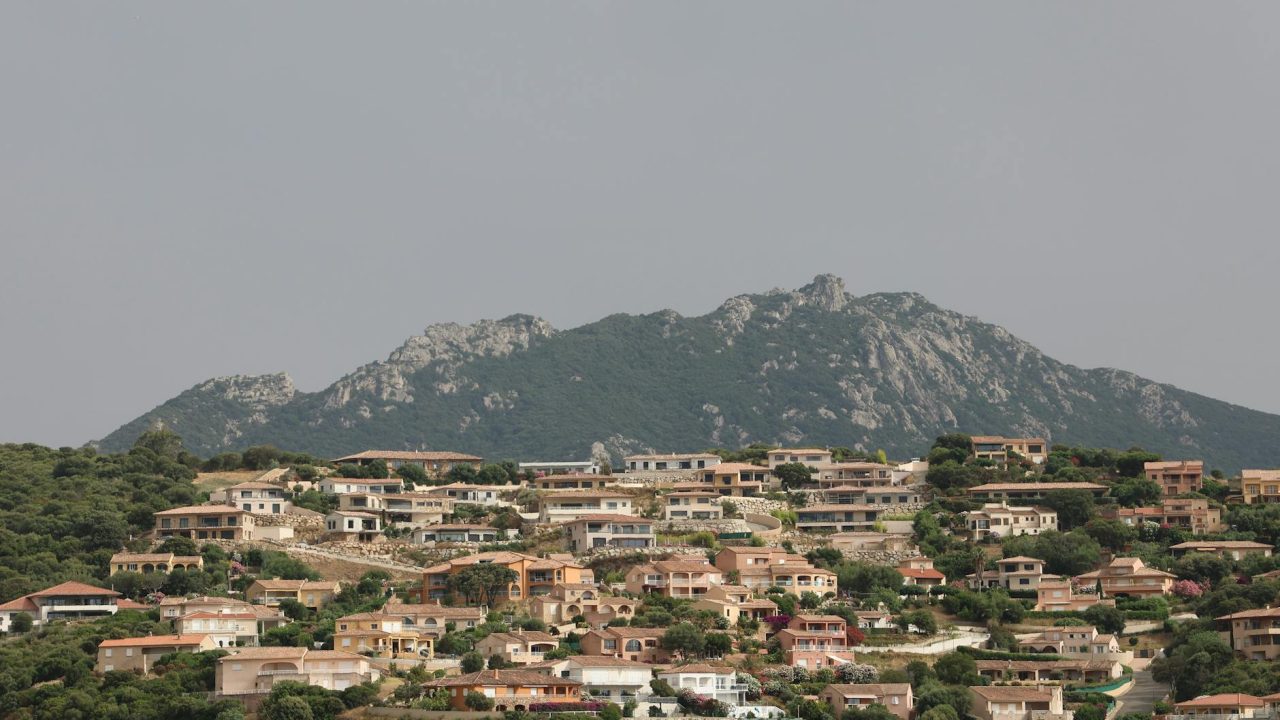
Here’s what you need to know about Sardinia’s ambitious plan to save its disappearing villages. The Sardinian regional government has committed 38 million euros to revive 15 certified inland villages that have been losing residents for decades. The strategy focuses on slow travel, think walking routes through cork oak forests, food and wine experiences, and year-round visits rather than the typical beach resort crowd. Alongside this tourism push, Sardinia is also offering grants of up to 15,000 euros to people willing to relocate to towns with fewer than 3,000 residents, provided they renovate a property or start a small business. Some villages have even sold homes for just one dollar to attract international buyers, including Americans. The two programs are designed to work together, bringing visitors in first, and hopefully turning some of them into permanent residents. If you’ve been dreaming about a slower pace of life in Europe, Sardinia’s inland villages are worth a serious look right now.
The ferry from Civitavecchia had barely docked when Marco Usai realized something was wrong with the village he’d grown up in. The stone streets of his grandmother’s town in inland Sardinia were quieter than he remembered. Storefronts shuttered. The old bakery, gone. The population, once 1,200, had dropped below 400.
That was three years ago. Today, something is shifting. And it’s being driven by €38 million and a list of 15 villages that Italian regional planners believe can still be saved.
The €38 Million Bet on Sardinia’s Forgotten Interior
In early 2025, the Sardinian regional government announced a sweeping new tourism strategy backed by €38 million in public investment. The target: 15 certified villages in the island’s inland regions, areas that have spent decades watching their youngest residents leave for Cagliari, Milan, or further abroad.
The strategy isn’t about building luxury resorts or expanding coastal infrastructure. It’s quieter than that. The plan centers on slow travel, developing walking routes, promoting food-and-wine experiences, and making these villages accessible to visitors who want something other than a beach umbrella and an Aperol Spritz.
The timing is deliberate. Sardinia has long suffered from what planners call “coastal concentration,” where tourism dollars pool in resort towns while the interior hollows out. The 15 selected villages represent a direct attempt to redirect that flow.
According to initaly.it, the main goals include supporting slow tourism, developing walking routes and food-and-wine corridors, promoting year-round visits, and directly countering depopulation in inland communities. These aren’t abstract policy goals. They’re responses to a crisis that locals have been living for a generation.
| Initiative | Investment | Primary Goal |
|---|---|---|
| €38M Village Tourism Strategy | €38 million | Attract tourists to 15 inland certified villages |
| New Resident Grant Program | €45 million total | Offer up to €15,000 to attract new residents |
| Dollar Homes Program | Symbolic €1 sales | Invite international buyers, including Americans, to repopulate villages |
Depopulation: The Crisis Behind the Strategy
Marco’s grandmother’s village isn’t an outlier. Hundreds of Sardinian communities have been shrinking for decades. Young people leave. Elderly residents age in place. Schools close. Then the post office. Then the last bar.
The tourism investment is one piece of a larger puzzle. Sardinia has separately allocated €45 million to attract new residents to its smallest communities, offering non-repayable grants of up to €15,000 per applicant. The conditions require relocating to towns with fewer than 3,000 residents, either renovating a home or starting a small business within the community.
Some villages have gone further. At least one Sardinian town made international headlines by selling homes for just $1, specifically reaching out to American buyers. The gesture was partly symbolic, partly desperate. But it worked as a signal: Sardinia is willing to try almost anything to keep its interior alive.
The tourism strategy and the residency grants aren’t separate programs running in parallel. They’re two arms of the same body. The logic is straightforward: if visitors start coming to these villages, some of them might stay. And if new residents arrive with renovation grants, they create the kind of lived-in authenticity that slow travelers actually want to find.
What Slow Travel Looks Like in Practice Across 15 Villages
The phrase “slow travel” gets overused. But in the context of Sardinia’s inland villages, it has specific meaning. It means arriving without a rigid itinerary. It means eating lunch at a family trattoria that doesn’t have a website. It means walking a route between two villages that takes three hours and passes through cork oak forests.
The €38 million is being used to make that experience possible at scale. Walking routes are being mapped and marked. Food-and-wine itineraries are being developed around local producers of pecorino, cannonau wine, and bottarga. Accessibility improvements are being made so that visitors who arrive by public transport, not just rental car, can actually reach these places.
The certification process matters here. Not every Sardinian village qualifies. The 15 selected communities have met specific criteria related to cultural heritage, natural landscape, and the infrastructure capacity to receive visitors without overwhelming local life. The idea is to protect the very thing that makes these places worth visiting.
Marco, who now works with a regional tourism cooperative, described walking one of the newly marked routes near his grandmother’s village last autumn. “There were hikers from Germany. From the Netherlands. They stayed two nights. They bought cheese and wine to take home. The woman who runs the only guesthouse said it was the best October she’d had in fifteen years.”
The Turning Point: When Tourism Becomes a Lifeline, Not a Threat
Sardinia’s relationship with tourism has historically been complicated. The island’s coastline, particularly the Costa Smeralda, became synonymous with oligarch yachts and €500-a-night hotels. That version of tourism brought money but not roots. It employed seasonal workers and then let them go in October.
The inland village strategy represents a conscious break from that model. The goal isn’t to maximize visitor numbers in a short summer window. It’s to spread tourism across twelve months and across the geography of an island that most visitors never truly see.
“The interior of Sardinia is not a backup plan for when the beach is crowded. It is the heart of the island. The food, the language, the traditions — they survived here because people stayed. We need people to keep staying.”
— Regional tourism cooperative member, Sardinia, 2025
The shift is also generational. Younger Sardinians who left for university are watching this moment with cautious interest. A few have started returning, not because the economy has magically fixed itself, but because the grant programs and tourism infrastructure are creating a window that didn’t exist five years ago.
Whether that window stays open long enough depends on execution. The €38 million is committed. The 15 villages are identified. The walking routes are being built. But tourism strategies have a way of underdelivering when the on-the-ground experience doesn’t match the promotional materials.
What This Means for Travelers Watching Sardinia Right Now
For anyone who has been to Sardinia and stayed only on the coast, the next few years will look different. The infrastructure being built now, the trails, the signage, the guesthouses being renovated with grant money, will be in place by the time most visitors arrive.
There is something rare about arriving somewhere during a transformation rather than after it has been fully packaged and sold. The 15 villages in this program are not yet on the major travel itineraries. They are not yet crowded. The cheese is still made by the same family that made it thirty years ago, and the person selling it will probably invite you to sit down.
Marco stood at the edge of his grandmother’s village last November, watching a small group of walkers consult a newly installed trail map. His grandmother, 84, watched from her doorway. She didn’t say anything. But she didn’t go back inside, either.
Thirty-eight million euros can’t rebuild what decades of depopulation have taken. But it can change what a place feels like to arrive in. And sometimes, that is enough to make someone decide to stay.
The question Sardinia is quietly asking with this investment isn’t really about tourism at all. It’s whether a place can be loved back into life by strangers before the last people who were born there are gone.
Frequently Asked Questions

You Might Also Like
Seabourn’s 2028 World Cruise Adds A Partnership Nobody Saw Coming
A single voyage. Five continents. One hundred and twenty days at sea. Seabourn’s newly announced…

Vancouver Airport Hit With 168 Delays And 26 Cancellations Across Key Routes
A total of 26 flights cancelled and 168 delayed in a single day — that…
Marriott and Sun Group Just Chose Phu Quoc and Vung Tau for Their Next Big Move
Ten new hotels. Nearly 4,500 rooms. Two brand debuts. Marriott International is making one of…
Leave a Reply