
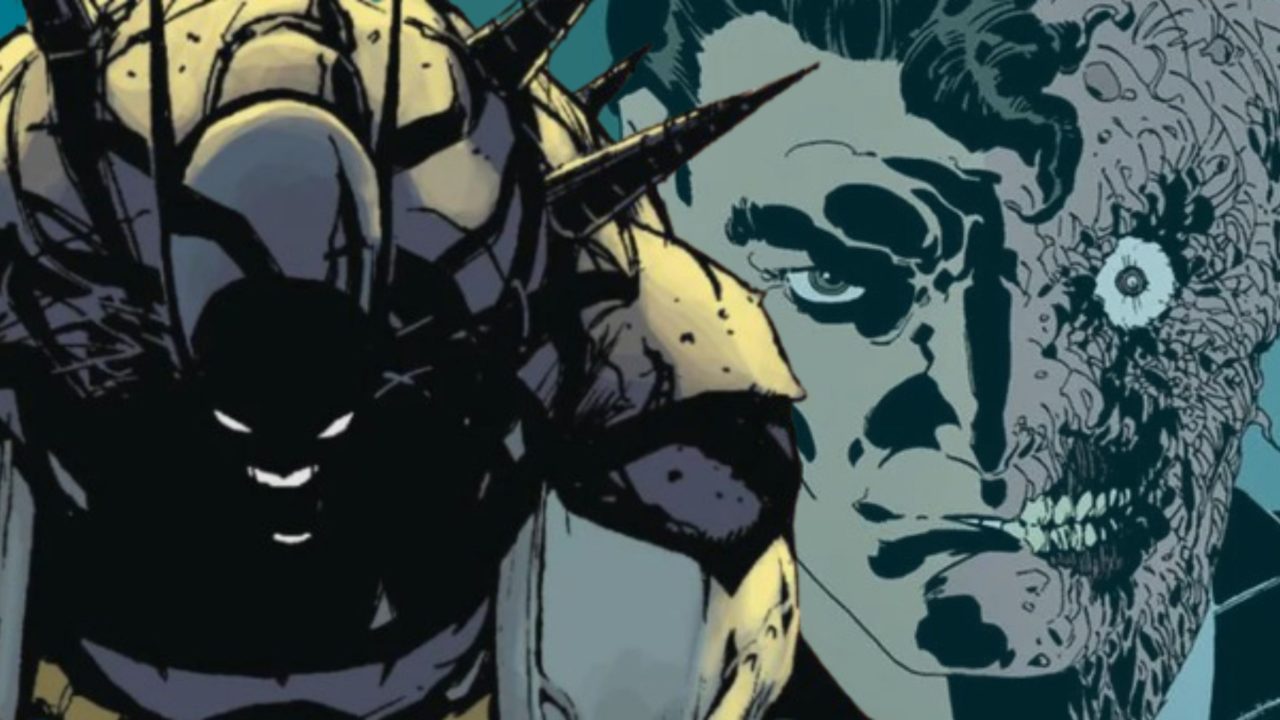
Of all the villains in Batman’s rogues gallery, few carry as much emotional weight as Harvey Dent — the man who became Two-Face. And according to a recent piece examining DC’s newest take on the character, a fresh Two-Face design is reigniting a long-running debate among comics fans: who is truly Batman’s most tragic villain?
It’s a question worth sitting with. Gotham City has never been short on broken people, and many of Batman’s greatest enemies are defined not just by their crimes, but by the circumstances that made them who they are. The new Two-Face design appears to be leaning hard into that tragedy — and it’s prompting readers to reconsider just how deep Harvey Dent’s story really goes.
Why Harvey Dent Hits Different Than Other Batman Villains
The original reporting specifically names four of Batman’s most prominent villains in the context of tragedy: Waylon Jones (Killer Croc), Harvey Dent (Two-Face), Oswald Cobblepot (The Penguin), and Edward Nygma (The Riddler). The piece describes them as “neck-and-neck in terms of the tragedies they have endured because of their close association with Bruce Wayne.”
That framing is telling. It’s not just about what happened to these characters in isolation — it’s about how their proximity to Batman, to Bruce Wayne, shaped and in some cases accelerated their downfall. Gotham’s darkness doesn’t just produce villains. It often takes people who were trying to do good and grinds them down.
Harvey Dent is perhaps the clearest example of that. Before the acid attack that scarred half his face and fractured his psyche, Dent was Gotham’s District Attorney — one of the few people in the city’s justice system actually trying to fight crime alongside Batman. He was Bruce Wayne’s friend. He was a good man, or at least he was trying to be.
That’s what makes his transformation so gutting. Two-Face isn’t a monster who was always lurking beneath the surface. He’s a man who was destroyed by the very city he was trying to save.
The New Design and What It Signals
DC’s decision to unveil a new Two-Face design — and the attention it’s receiving — suggests the publisher is leaning into the character’s duality in a fresh visual way. While the specific details of the new design are not fully described in the available source material, the conversation it has sparked centers on how Two-Face’s appearance has always been one of the most literal expressions of internal conflict in superhero comics.
The split — one half handsome, one half grotesque — isn’t just a visual gimmick. It’s a physical manifestation of a man at war with himself. Harvey Dent didn’t simply become a villain. Part of him never stopped being Harvey Dent. That internal tug-of-war, symbolized by the coin he flips before every decision, is what separates Two-Face from almost every other character in the Batman universe.
A new design that emphasizes that conflict could push Two-Face further toward the kind of nuanced, emotionally complex villain that modern audiences respond to — the type of character who makes you feel something beyond simple contempt.
Batman’s Rogues Gallery and the Tragedy Spectrum
The original reporting frames this as a competition of sorts — which villain has suffered most because of their connection to Bruce Wayne? It’s a compelling lens. Consider how each of the named characters fits into that framework:
| Villain | Real Name | Core Tragedy |
|---|---|---|
| Two-Face | Harvey Dent | Former ally and friend of Bruce Wayne; disfigured and psychologically shattered |
| Killer Croc | Waylon Jones | Born with a rare condition; marginalized and driven to violence by rejection |
| The Penguin | Oswald Cobblepot | Bullied and ostracized his entire life; wealth and crime became his only power |
| The Riddler | Edward Nygma | Brilliant mind warped by compulsion and a desperate need for recognition |
The source notes that Selina Kyle — Catwoman — was “either conveniently spared or…” before the text cuts off. That ellipsis is doing a lot of work. It hints at a broader argument about which characters in Batman’s orbit escaped the worst of Gotham’s damage, and which ones didn’t.
Why This Matters to Readers Right Now
There’s a reason Two-Face keeps coming back as a focal point in Batman storytelling. In an era where superhero media is increasingly interested in moral complexity and villain empathy — think of how audiences responded to characters like Thanos, Killmonger, or even recent takes on the Joker — Harvey Dent represents something specific and powerful.
He’s not a force of chaos. He’s not purely evil. He’s a tragedy with a coin. And every time DC revisits him with a new design or a new story, they’re asking readers to sit with an uncomfortable question: at what point does a good person become irredeemable, and who bears responsibility for that?
For Batman, that question is personal. Harvey Dent was his friend. Whatever Two-Face became, Batman watched it happen — and some interpretations of the character suggest Bruce Wayne carries real guilt about it.
What Comes Next for Two-Face in DC
The unveiling of a new Two-Face design suggests DC has active plans for the character, though the specific storylines or titles involved are not confirmed in the available source material. What is clear is that the publisher sees value in returning to Harvey Dent’s story — and in using his visual design as a way to reinforce the emotional and psychological themes that make him compelling.
Whether this new look appears in an ongoing series, a limited run, or a broader DC initiative has not been confirmed based on the reporting available. Fans will be watching closely.
Frequently Asked Questions
Who is Two-Face in DC Comics?
Two-Face is the villain identity of Harvey Dent, Gotham City’s former District Attorney, who was disfigured in an acid attack and developed a split personality that he resolves by flipping a coin.
Which villains does DC consider among Batman’s most tragic?
What is the new Two-Face design about?
DC has unveiled a new visual design for Two-Face, though the specific details of that design are not fully described in the available source material.
Why is Two-Face considered Batman’s most tragic villain?
Harvey Dent was once a close ally and friend of Bruce Wayne, making his transformation into a villain particularly personal and emotionally resonant compared to other members of Batman’s rogues gallery.
Where does Catwoman fit into the tragedy discussion?
The original reporting mentions Selina Kyle in this context, suggesting she may have been “conveniently spared” the worst outcomes, though the full argument is not available in
Is Two-Face appearing in a specific upcoming DC title?
This has not been confirmed based on the available source material, though the new design signals active DC interest in the character.

Leave a Reply