
▶ Read transcript
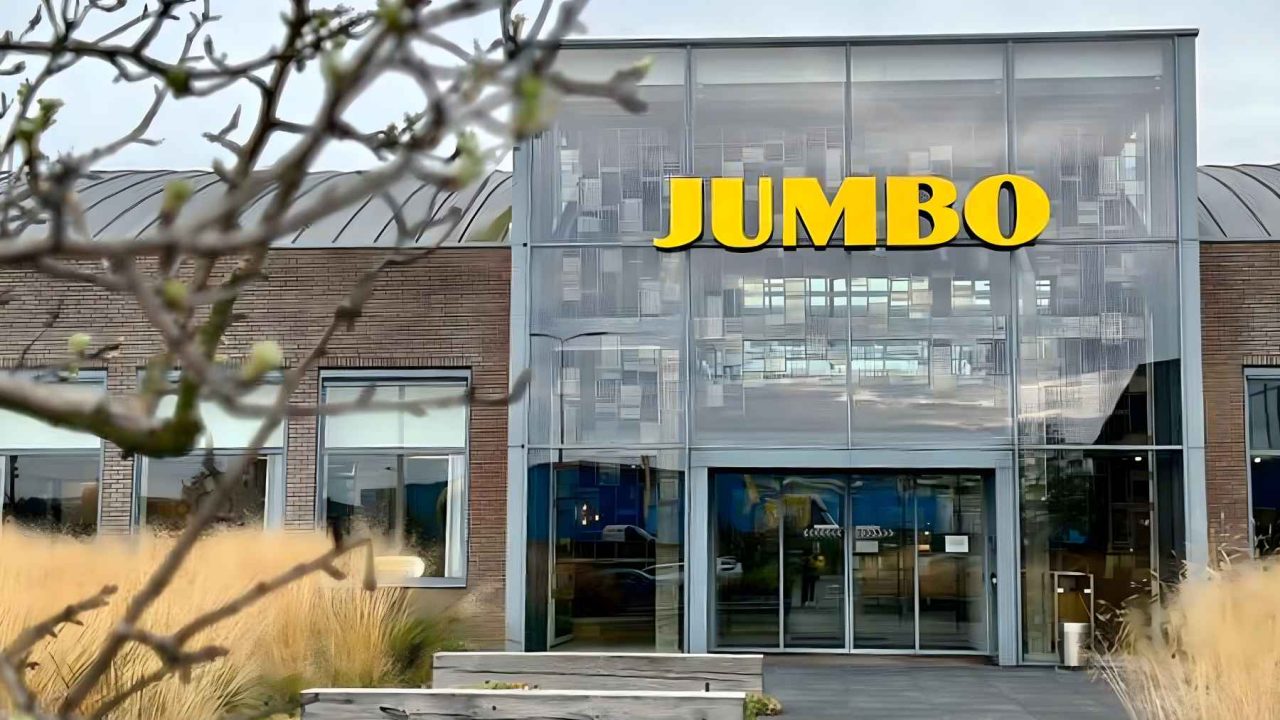
Here’s what you need to know about a disturbing frozen food recall out of the Netherlands. Jumbo, a major Dutch supermarket chain, has pulled all of its private-label frozen green beans from shelves after three dead mice were found inside sealed packages between March 7th and March 19th of 2026. The incidents were reported by separate customers in different parts of the country, confirming this was no isolated accident. Jumbo believes the mice were scooped up during mechanical harvesting in the fields, before packaging even began, which points to a real gap in quality control. The recall covers both 14-ounce and 28-ounce bags with best-by dates between February 28th and November 19th, 2026, and the UPC code 00521482. Experts warn that freezing does not kill bacteria, so even an untouched bag could be contaminated throughout. If you have these bags at home, do not open them — return the entire sealed package to the store for a full refund.
It started as an ordinary Tuesday dinner in Capelle aan den IJssel. A couple reached into their freezer, pulled out a bag of Jumbo frozen green beans, and found something that stopped them cold. Nestled among the vegetables was a dead mouse.
They were not alone. Within days, reports from across the Netherlands confirmed this was not a fluke. A full-scale recall followed, raising urgent questions about how rodents end up inside sealed frozen food packages in the first place.
Three Dead Mice and a Nationwide Recall
The first confirmed incident dates to March 7, 2026, when a 65-year-old man from Swalmen discovered a dead mouse while cooking with Jumbo frozen green beans. Ten days later, on March 17, the couple in Capelle aan den IJssel made the same grim discovery and went public with their story.
By March 19, Dutch public broadcaster NOS reported that a third dead mouse had been found in Jumbo frozen vegetables. At that point, Jumbo had little choice. The Dutch supermarket chain pulled all of its own private-label frozen green beans from store shelves nationwide.
The recall covers both the 14-ounce and 28-ounce bag sizes. According to reports, affected packages carry best-by dates between February 28 and November 19, 2026, and the UPC code 00521482. If you have these bags in your freezer right now, stop. Do not open them. Return them to the store.
How a Mouse Gets Inside a Frozen Vegetable Bag
Jumbo’s own explanation pointed to the harvest. The company suggested a mouse likely entered the product during the harvesting process, before packaging ever occurred. That explanation is scientifically plausible, and it reveals a vulnerability baked into large-scale agricultural production.
Green beans are harvested mechanically. Combine-style harvesters sweep through fields, cutting and collecting beans at high speed. Small animals, including mice, voles, and other rodents, live in agricultural fields and can be scooped up along with the crop before anyone notices.
After harvest, produce moves through washing, sorting, and blanching stages before flash-freezing. Each stage is theoretically an opportunity to catch foreign objects. The fact that three separate mice cleared all of those checkpoints suggests at least one point of failure in the inspection chain.
Food scientists call this kind of contamination a “physical hazard” under food safety frameworks. Unlike microbial contamination, which is invisible, a rodent carcass is a macroscopic foreign object. Its presence in a finished, sealed product represents a significant breakdown in quality control.
The Science of Contamination in Frozen Food Supply Chains
Frozen vegetables have one of the more complex supply chains in the grocery store. A single bag of green beans may pass through a farm, a processing facility, a cold-storage warehouse, a distribution center, and a retail freezer before reaching your home. Each transition is a potential contamination point.
The freezing process itself does not sterilize food. The FDA recommends keeping freezers at 0°F (minus 18°C) to keep frozen food indefinitely safe from microbial growth. But freezing does not destroy bacteria already present on a contaminating object. A frozen mouse carries the same pathogens it carried when alive.
“Frozen green beans that have been kept constantly frozen at 0°F will keep safe indefinitely, as long as they have been stored properly and the package is not damaged.”
— U.S. Food and Drug Administration guidance on frozen vegetable safety
The key phrase in that FDA guidance is “the package is not damaged.” A package containing a rodent carcass is, by any reasonable definition, compromised. Mice can carry Salmonella, Listeria, and Hantavirus, among other pathogens. Even if the mouse was frozen solid before a consumer ever touched the bag, cooking the contaminated beans would not guarantee safety from all potential hazards.
You open a bag of frozen green beans from your freezer and notice something that doesn’t look like a vegetable. On closer inspection, it appears to be a small dead rodent. The bag is sealed and from a major supermarket chain.
Listeria monocytogenes is particularly concerning in frozen produce contexts. Unlike many bacteria, Listeria can survive and even slowly multiply at refrigerator and near-freezer temperatures. Public health officials take any potential Listeria exposure seriously, especially for pregnant women, elderly individuals, and people with weakened immune systems.
Jumbo’s Response and What It Reveals About Food Safety Oversight
Jumbo acted swiftly once media coverage made the scale of the problem clear. The company pulled its private-label frozen green beans from all Dutch stores and issued a public recall. It also stated, somewhat defensively, that this contamination had “never happened” before in its experience with this product.
That statement is worth examining. Jumbo is one of the two largest supermarket chains in the Netherlands, competing directly with Albert Heijn for market share. Its private-label products are manufactured by third-party processors under contract. When a recall like this occurs, the supermarket’s brand takes the hit, even if the actual contamination happened at a farm or processing facility it does not directly operate.
| Date | Event | Location |
|---|---|---|
| March 7, 2026 | 65-year-old man finds dead mouse while cooking | Swalmen, Netherlands |
| March 17, 2026 | Couple reports second dead mouse; first public report | Capelle aan den IJssel, Netherlands |
| March 19, 2026 | NOS confirms third dead mouse found; recall announced | Netherlands (nationwide) |
| April 26, 2026 | Recall details confirmed; affected UPC and date ranges published | Netherlands (nationwide) |
This dynamic is common in modern food retail. Supermarkets increasingly rely on private-label products to drive margins, but private-label supply chains can be less transparent than branded alternatives. Consumers buying a store-brand product often have no way to trace which farm, which processing plant, or which country their food came from.
The Jumbo incident is not isolated in the history of frozen vegetable recalls. Major recalls of frozen green beans have involved both physical contamination and microbial hazards in the United States and Europe. In each case, the breakdown occurred somewhere along a long, complex supply chain that most consumers never think about.
What This Means for Every Frozen Vegetable in Your Freezer
The Jumbo recall is specific to its private-label frozen green beans with UPC 00521482 and best-by dates between February 28 and November 19, 2026. If you are outside the Netherlands, your Jumbo bags are not at risk because Jumbo operates exclusively in the Dutch market. But the underlying lesson applies everywhere.
Frozen vegetables are among the most trusted items in the grocery store. They carry a reputation for being nutritious, convenient, and safe. That reputation is largely deserved. But the supply chains behind them are long, fast-moving, and imperfect. Physical contamination can and does slip through.
Food safety experts recommend checking recall databases regularly, a habit most consumers skip entirely. In the United States, the FDA and USDA maintain searchable recall databases updated in near real-time. In the European Union, the RASFF rapid alert system tracks food safety notifications across member states.
The three Dutch consumers who found dead mice in their green beans did not do anything wrong. They bought a product from a major national supermarket chain, stored it correctly, and prepared it as directed. The system that was supposed to protect them failed before the bag ever reached their hands.
That is the part of this story that lingers longest after the recall notices fade: the quiet assumption that someone, somewhere, checked.



Leave a Reply